JD Vance Heads to Pakistan for High-Stakes Iran Ceasefire Talks
The visit comes at a critical moment, as the truce faces growing pressure and diplomatic efforts intensify to prevent further escalation in the region.
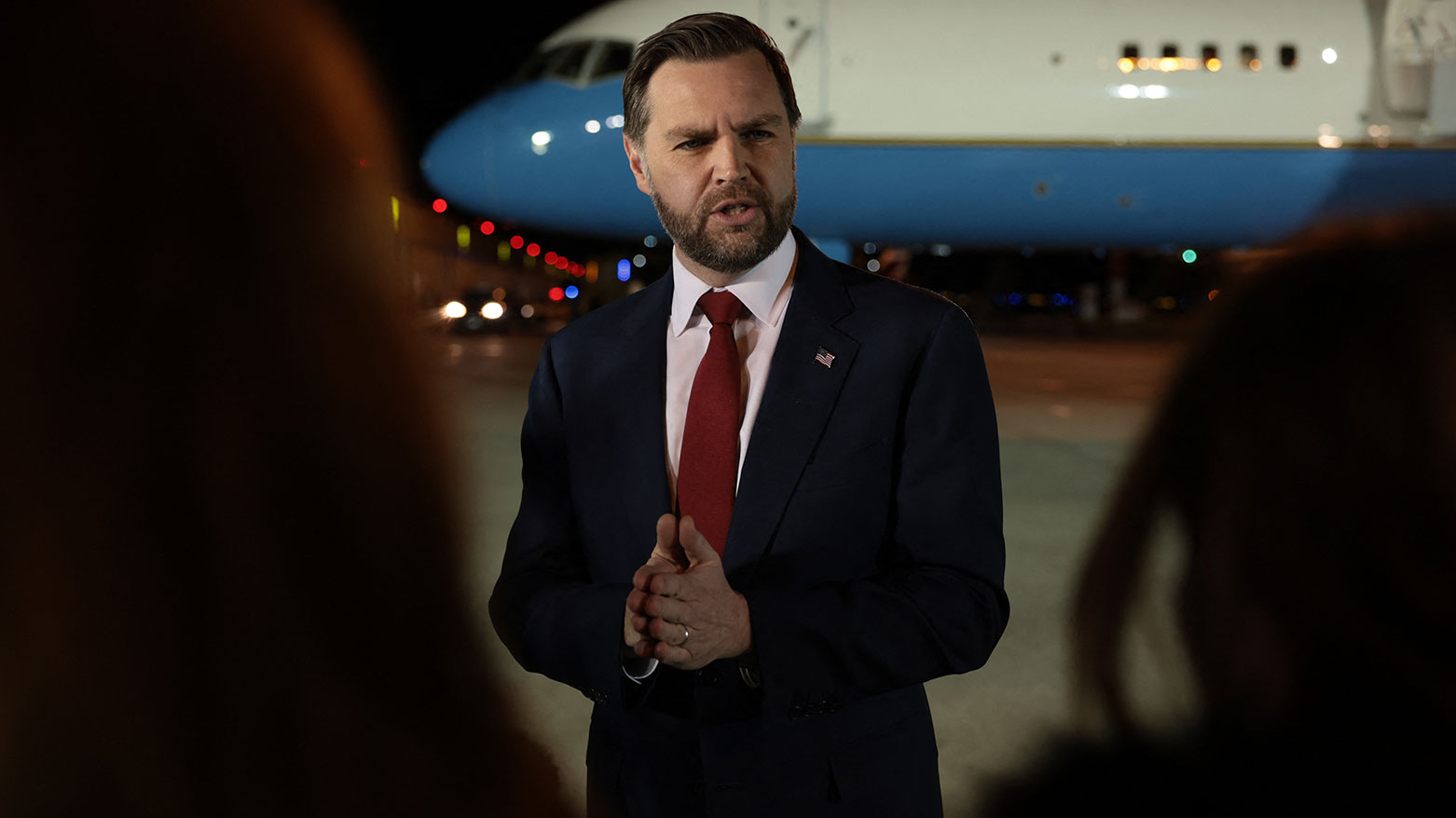
ERBIL (Kurdistan24) – US Vice President JD Vance is on his way to Pakistan to lead U.S.-backed peace talks aimed at easing tensions linked to the fragile Iran ceasefire.
The visit comes at a critical moment, as the truce faces growing pressure and diplomatic efforts intensify to prevent further escalation in the region.
The visit marks a major diplomatic assignment for Vance, coming at a time when the Iran ceasefire agreement is showing signs of strain. The vice president has reportedly expressed private reservations about the war for weeks, including to President Donald Trump and senior White House advisers, even as the administration continues its aggressive military posture.
The White House strongly rejected suggestions that Vance has been sidelined, stating that he has been deeply involved in the administration’s military and diplomatic efforts. Officials said he participated in planning operations, worked closely with key envoys, and is now leading the delegation to Pakistan for ongoing negotiations.
“The vice president has been fully integrated in the entire process,” a White House official told MS NOW.
Despite the official backing, reports suggest that Vance’s internal skepticism has affected his influence within parts of the administration, even as he now takes on one of the most sensitive diplomatic missions of his tenure.
The United States and Iran agreed to a two-week conditional ceasefire on Wednesday. This agreement aims to halt a 40-day conflict that has significantly disrupted global energy supplies.
A central condition of the deal is Iran's agreement to ensure safe passage for vessels through the Strait of Hormuz, coordinated by its military. The truce is set for an initial 14-day period, during which both sides will suspend retaliatory strikes.