Trump Warns Iran as Warships Are Rearmed: 'We Will Be Using Them Very Effectively'
Trump warned Iran on April 10 that US warships are being rearmed for potential strikes if Islamabad talks fail. Vance flew to Pakistan to lead negotiations, while the US trade representative cautioned China against aiding Tehran.
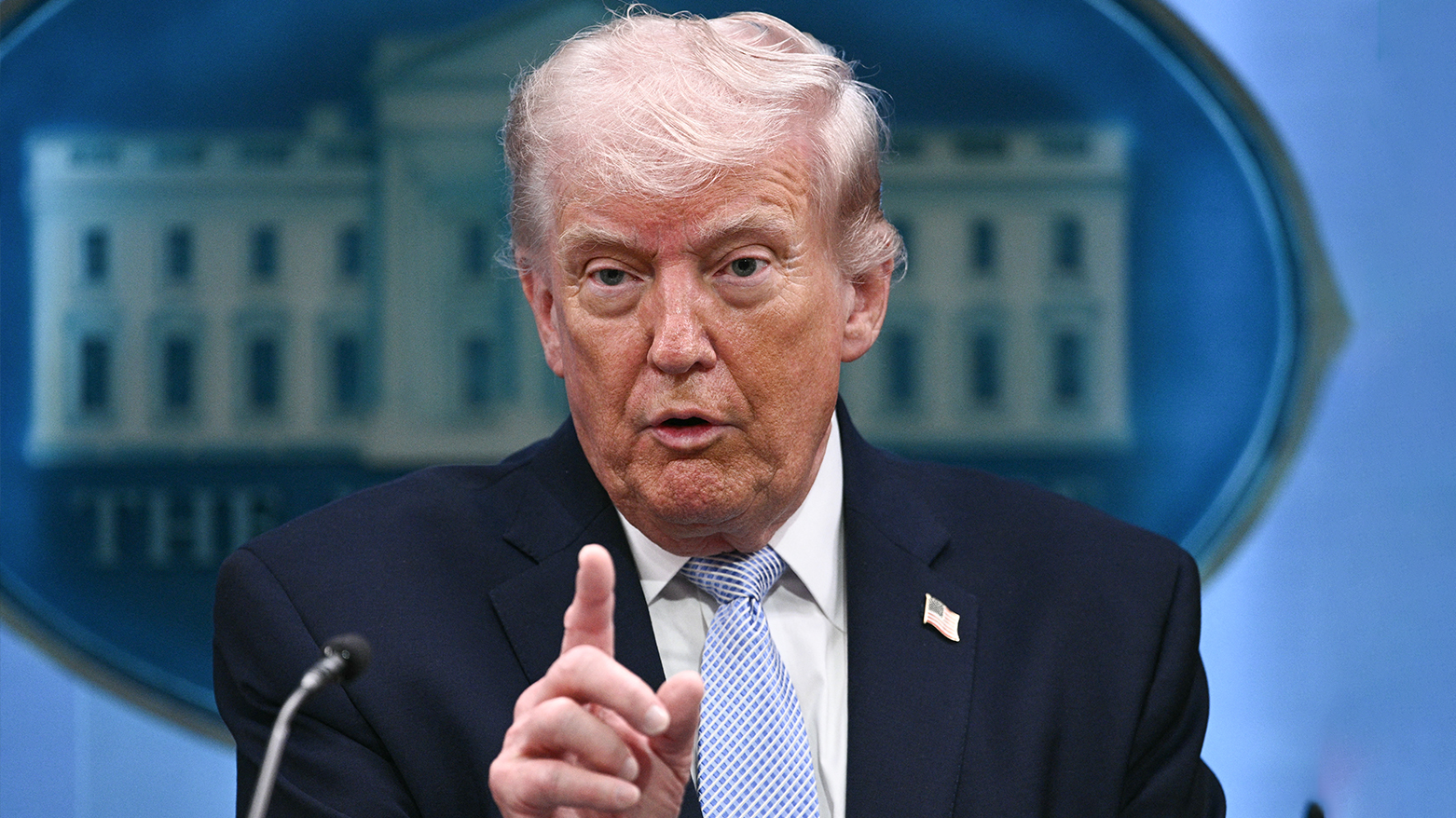
ERBIL (Kurdistan24) - With his vice president already airborne toward Islamabad and diplomats preparing to sit across from Iranian counterparts for the first time, US President Donald Trump picked up the phone on Friday, and delivered a message that left little room for ambiguity: America's warships are being rearmed, and if the talks fail, they will be used.
"We're loading up the ships with the best weapons ever made — even better than what we did previously," Trump told the New York Post in a phone interview. "And if we don't have a deal, we will be using them, and we will be using them very effectively."
Trump added that the next 24 hours would be decisive. "We're going to find out in about 24 hours. We're going to know soon," he said, when asked whether he believed the negotiations would succeed.
Vance leads the US delegation
Vice President JD Vance departed Washington on Friday for Islamabad, where he will lead the US delegation in the first round of direct talks with Iran. He will be joined by special envoy Steve Witkoff and Jared Kushner. Vance indicated that Trump had given the team clear and specific instructions on the agenda they are to pursue in Pakistan.
The Washington Post reported that among the US demands on the table is the release of American citizens currently detained in Tehran.
The talks follow a two-week ceasefire brokered by Pakistan, announced Wednesday morning, which both sides have described as a first step toward a permanent end to the conflict that the US and Israel launched against Iran on Feb. 28.
Key issues on the table
The negotiations are expected to cover several critical points: US demands that Iran surrender an estimated 1,000 pounds of deeply buried enriched uranium, the full reopening of the Strait of Hormuz to international shipping, an end to Iranian support for regional proxies, and the future of Tehran's ballistic missile program. Iran, for its part, has requested the lifting of US sanctions.
Trump expressed skepticism about Iranian intentions, telling the New York Post: "To our face, they're getting rid of all nuclear weapons, everything's gone. And then they go out to the press and say, 'No, we'd like to enrich.' So we'll find out."
Iran is expected to be represented by Foreign Minister Abbas Araghchi and Speaker of Parliament Mohammad Baqer Qalibaf.
Washington warns Beijing
On the same day, US Trade Representative Jamieson Greer issued a pointed warning to China, cautioning that any cooperation with Iran that harms American interests would have serious consequences and further complicate an already strained relationship between the two powers.
Speaking in an exclusive interview with CNBC, Greer said the US was working to build a stable relationship with Beijing, but acknowledged that fundamental differences in economic objectives remain. "If China intervenes in Iran's affairs in a way that damages US interests, things will certainly become more complicated," he said, adding that it was Beijing's responsibility to prevent such a scenario from developing.
Greer noted that despite the Trump administration's efforts to reach a degree of stability with China — particularly on trade and economic matters — significant unresolved challenges persist between the two countries.
The remarks came as Trump is expected to visit Beijing next month for a high-stakes meeting with Chinese President Xi Jinping, a summit Greer expressed cautious optimism about — even as it arrives just one year after Washington imposed sweeping tariffs on global trade.