War in the Middle East: Latest Developments
Iran-US talks opened in Islamabad on April 11 as Lebanon's war death toll reached 1,953, Hezbollah fired into Israel, and Pakistan's PM warned of a "make or break" moment. Iran's internet blackout passed 1,000 hours.
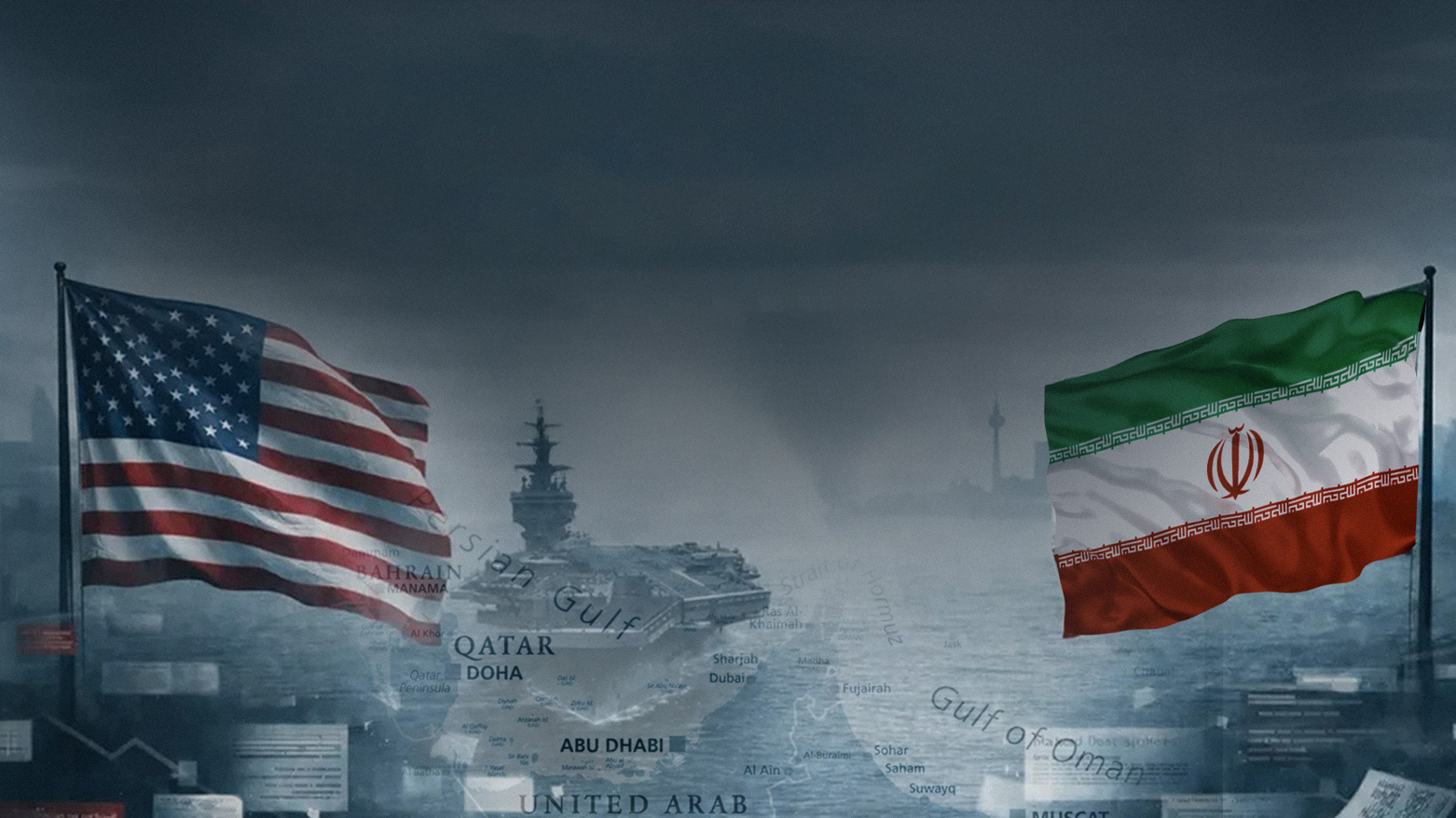
ERBIL (Kurdistan24) - The delegations have arrived, the agendas have been set, and the weight of nearly six weeks of war presses down on every exchange. As direct Iran-US talks formally opened in Islamabad on Saturday, April 11, the rest of the region refused to hold still — with fresh strikes in Lebanon, Hezbollah rockets landing in northern Israel, and a Pakistani prime minister warning the world that the hardest stage is only just beginning.
Trump: Hormuz will open 'with or without' Iran
US President Donald Trump vowed that the Strait of Hormuz would be reopened, stating it would happen "with or without" Iran's cooperation.
He identified preventing Tehran from acquiring a nuclear weapon as his top priority in the peace talks, reinforcing the high-stakes nature of the Islamabad negotiations.
Trump also repeated his warning that US warships are being rearmed with advanced weaponry in the event talks fail, and reiterated his assessment that Iran holds "no cards" beyond its effective grip on the Strait of Hormuz.
Pakistan: a 'make or break' moment
Prime Minister Shehbaz Sharif, whose government has led the mediation effort, addressed the nation in a televised speech, describing the current phase as the most critical yet.
"A temporary ceasefire has been announced, but now an even more difficult stage lies ahead: the stage of achieving a lasting ceasefire, of resolving complicated issues through negotiations," he said, calling it, in his own words, a "make or break" moment.
UN calls for genuine effort toward permanent deal
Before the talks opened, UN Secretary-General António Guterres added his voice to the chorus of international appeals, calling on both Washington and Tehran to approach the Islamabad negotiations with sincerity.
UN spokesperson Stéphane Dujarric said on Friday that both sides must use the Pakistan talks as an opportunity to engage in good faith, with the goal of reaching a permanent and comprehensive agreement that defuses tensions and prevents a return to hostilities.
Iran's internet blackout crosses 1,000 hours
Away from the negotiating table, digital monitor Netblocks reported that Iran's internet blackout has now surpassed 1,000 hours.
While Iran's domestic intranet — supporting local messaging applications, banking platforms, and other services — remains operational, access to the global internet has been severely restricted since early February.
Lebanon: 1,953 dead, Hezbollah fires back
The human toll in Lebanon continued to rise sharply. The Lebanese health ministry raised the total death toll since the outbreak of hostilities between Israel and Hezbollah on March 2 to 1,953, with 6,303 wounded.
Wednesday's strikes alone killed 357 people and wounded 1,223 others — figures the ministry noted were still provisional as rubble removal continued. Lebanon's State Security agency said one Israeli strike in the southern city of Nabatiyeh killed 13 of its personnel. Israel said the same day's strikes killed 180 Hezbollah militants.
Hezbollah, for its part, fired around 30 projectiles into Israel on Saturday, with the Israeli military confirming some caused damage and air-raid sirens sounding across northern Israel.
Hezbollah warns Beirut
Hezbollah chief Naim Qassem issued a warning to the Lebanese government ahead of its scheduled talks with Israel in Washington next week, urging officials to stop offering what he called "free concessions."
Qassem condemned Wednesday's Israeli strikes as "bloody criminality" and said his group "will not accept a return to the previous situation."
Lebanon-Israel talks confirmed for Tuesday
Lebanon's presidency confirmed that a meeting will be held at the US State Department on Tuesday to discuss declaring a ceasefire and agreeing a start date for formal negotiations between Beirut and Tel Aviv under US auspices.
The date was agreed during a first telephone call on Friday between the Lebanese and Israeli ambassadors to Washington and the US ambassador to Beirut.
Israel's US ambassador Yechiel Leiter, who participated in the call, stated he had refused to discuss a ceasefire with Hezbollah directly, while affirming that Israel had agreed to begin formal peace negotiations with the Lebanese government, with which it has no diplomatic relations.