Iran’s New Supreme Leader Reportedly ‘Wounded’
Reports say Iran’s Supreme Leader Mojtaba Khamenei was severely wounded in a Feb. 28 airstrike but continues to lead via audio meetings, as uncertainty grows over his condition amid war and US talks.
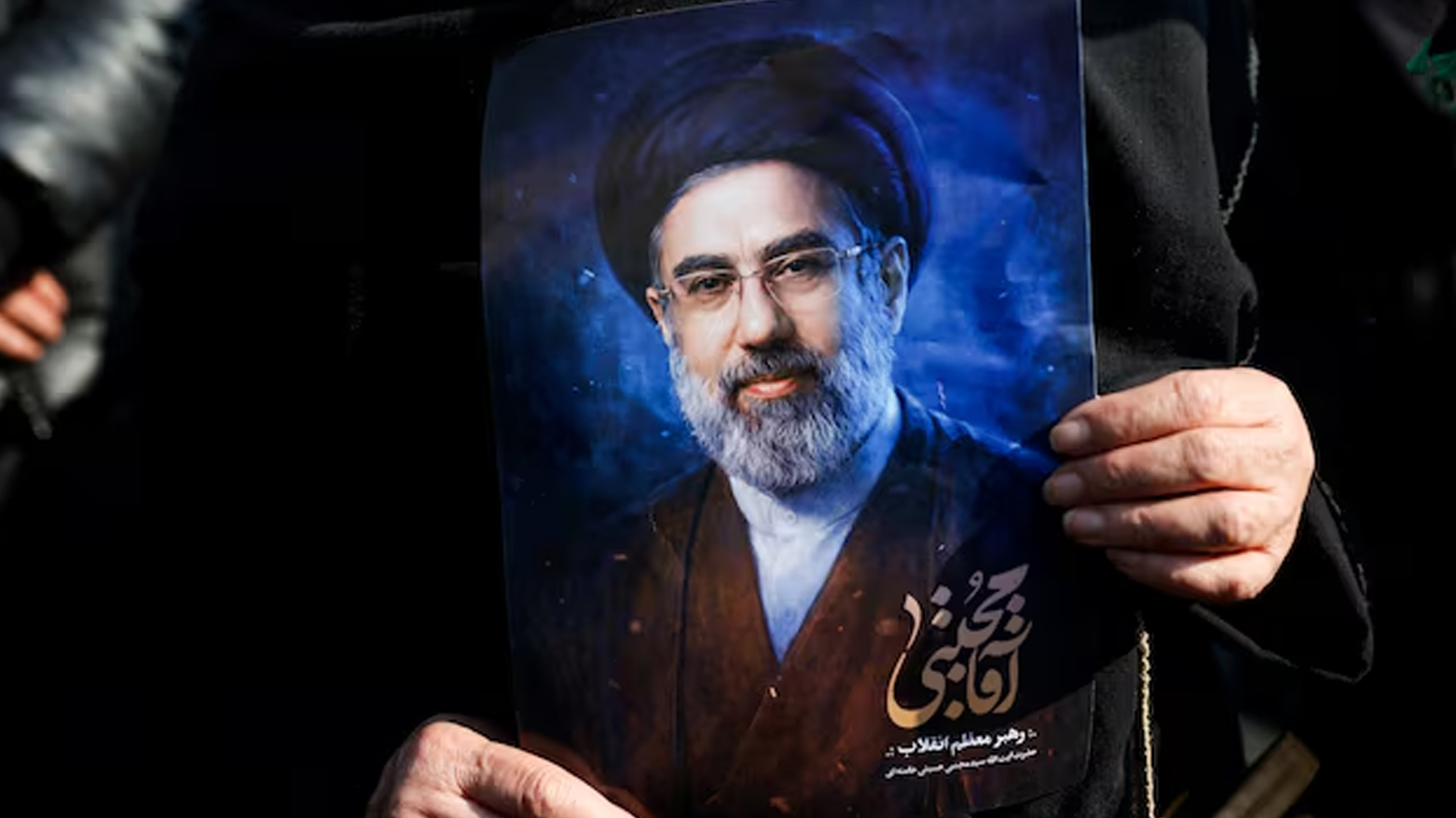
ERBIL (Kurdistan24) - As Iran navigates one of the most perilous moments in its modern history, mounting but unverified reports about the condition of its new Supreme Leader, Mojtaba Khamenei, are casting a long shadow over both the battlefield and the negotiating table.
According to Reuters, Khamenei—who assumed leadership following the death of his father, Ayatollah Ali Khamenei, in a U.S.-Israeli airstrike at the outset of the war on Feb. 28—sustained severe and disfiguring injuries in the same strike. Sources close to his inner circle, speaking on condition of anonymity, said the 56-year-old suffered extensive facial damage and significant injuries to one or both legs.
Despite the severity of these wounds, the sources indicated that Khamenei remains mentally sharp and continues to participate in high-level decision-making. They said he has been attending meetings with senior officials via audio conferencing and remains engaged in key files, including the ongoing war and sensitive negotiations with Washington.
However, these accounts have not been independently verified, and Iranian authorities have yet to issue any official statement detailing the extent of his injuries. His condition, whereabouts, and ability to fully govern remain largely opaque to the public, with no confirmed images, videos, or audio recordings released since the airstrike and his subsequent appointment on March 8.
The uncertainty surrounding Iran’s leadership comes at a critical juncture, as high-stakes negotiations between Tehran and Washington are set to begin in Islamabad. The timing has intensified scrutiny over whether Khamenei’s health allows him to effectively steer the country through both military escalation and diplomatic engagement.
Earlier U.S. statements appear to align with parts of these reports. On March 13, Defense Secretary Pete Hegseth said Khamenei had been “wounded and likely disfigured.” A separate source familiar with U.S. intelligence assessments suggested that he may have lost a leg, though this, too, remains unconfirmed.
In the absence of direct public appearances, Iranian state media has offered only limited signals. A newsreader described Khamenei as a “janbaz”—a term used for those severely wounded in war—after his appointment. More recently, an AI-generated video aired on state television purported to show him in a war room reviewing a map, though the absence of a recorded voice further fueled doubts about his operational capacity.
Parallel reporting cited intelligence assessments and diplomatic sources indicating that Khamenei may be receiving treatment in the city of Qom, raising additional questions about his ability to exercise authority. Some accounts suggested he could be in a severely weakened condition, potentially limiting his direct involvement in governance, though Iranian officials continue to assert that he remains in charge.
The leadership vacuum—or perceived vacuum—has placed increased focus on the role of the Islamic Revolutionary Guard Corps (IRGC), which some reports suggest may be exercising de facto control in key areas of decision-making amid the ongoing crisis.
The strike that killed Ali Khamenei also reportedly claimed the lives of several family members, including Mojtaba Khamenei’s wife, brother-in-law, and sister-in-law, underscoring the profound personal and political impact of the attack.
As Iran confronts sustained military pressure, regional escalation, and complex diplomatic efforts, the ambiguity surrounding its highest authority adds a critical layer of uncertainty. With negotiations underway and the war still unfolding, the question of who truly holds command in Tehran remains both unresolved and consequential.