Iran Officials Blame US ‘Distrust’ and ‘Dictation’ for Collapse of Peace Talks
Ghalibaf and Zarif signal a hardened stance after 21-hour negotiations fail in Pakistan
ERBIL (Kurdistan24) — Senior Iranian officials on Sunday blamed the United States for the collapse of marathon negotiations aimed at ending the Middle East war, citing deep mistrust and what they described as Washington’s attempt to impose its terms.
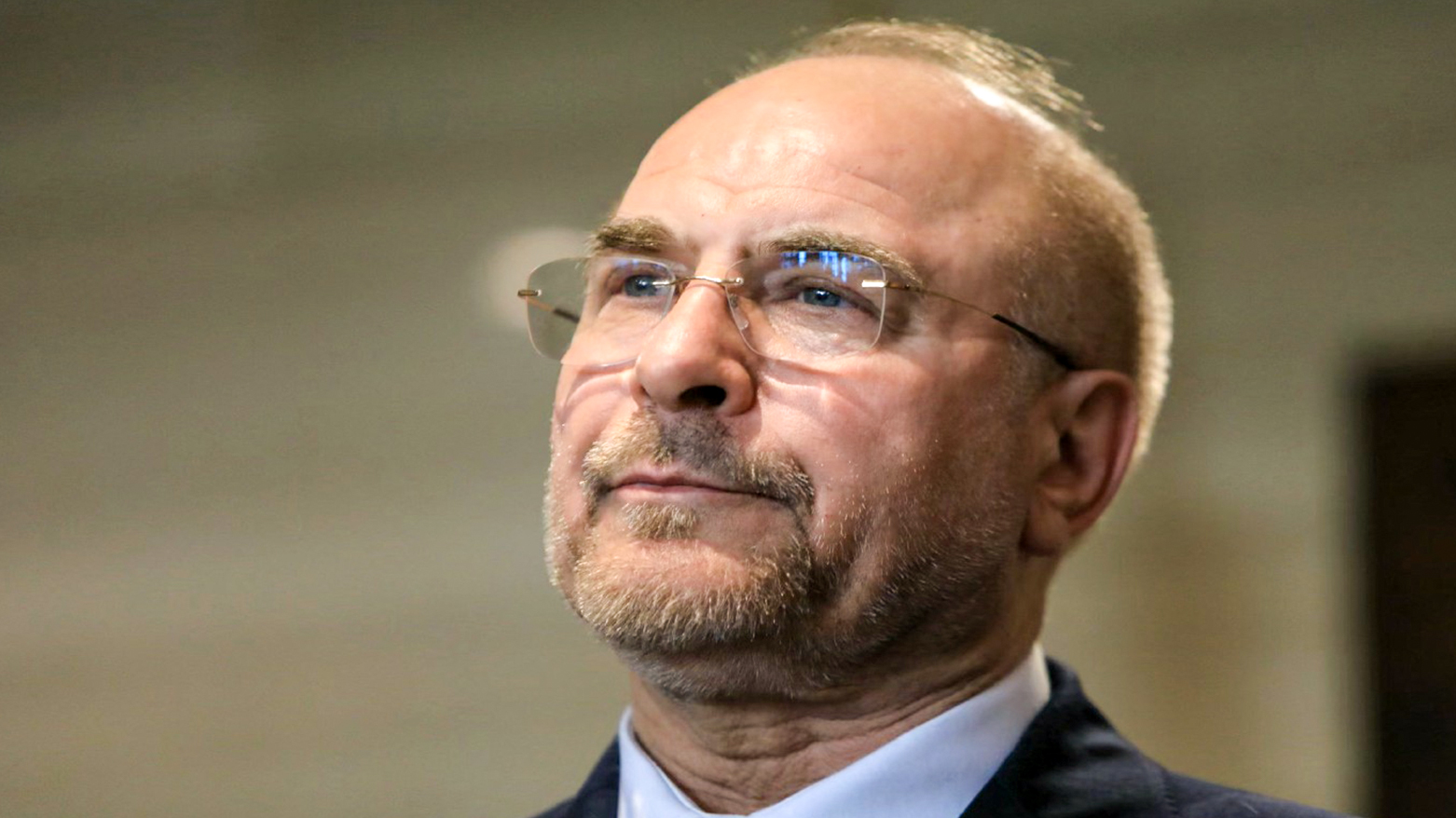
Mohammad Bagher Ghalibaf, Speaker of Iran’s parliament, said Tehran had entered the talks in good faith but remained wary due to past conflicts.
“Before the negotiations, I emphasized that we have the necessary good faith and will, but… we have no trust in the opposing side,” Ghalibaf wrote on X, referring to recent wars with the United States and Israel.
He added that despite “forward-looking initiatives” proposed by the Iranian delegation, the American side ultimately failed to build confidence, leaving the outcome dependent on whether Washington could “earn our trust.”
Ghalibaf framed diplomacy as part of a broader strategy alongside military resistance, stressing that Iran would continue efforts to “consolidate the achievements” of what he described as 40 days of national defense.
He also praised Pakistan’s role in facilitating the talks and expressed gratitude to the Iranian public for their support.
Mohammad Javad Zarif, Iran’s former foreign minister and a key architect of the 2015 nuclear deal, echoed similar criticism, accusing Washington of undermining negotiations by attempting to dictate outcomes.
“No negotiations—at least with Iran—will succeed based on ‘our/your terms’,” Zarif wrote on X on Sunday, adding that the United States must learn it “can’t dictate terms to Iran.”
Zarif’s remarks underscore a broader consensus within Iran’s political establishment that the failure of talks stems from structural disagreements rather than tactical missteps.
The negotiations, held in Pakistan and led by JD Vance for the United States, lasted approximately 21 hours but ended without agreement.
Vance said Iran had “chosen not to accept our terms,” while Iranian Foreign Ministry spokesperson Esmaeil Baqaei confirmed that although some progress was made, “differences remained on two or three important issues.”
According to sources cited by Axios, major points of contention included Iran’s demand to maintain influence over the Strait of Hormuz and its refusal to relinquish its enriched uranium stockpile—both viewed by Washington as unacceptable.
The failed talks come amid an ongoing war that began on February 28, when US and Israeli strikes killed Iran’s Supreme Leader Ali Khamenei, triggering a rapid escalation across the region.
Since then, the conflict has expanded to include attacks on energy infrastructure, shipping routes, and military positions, raising fears of prolonged instability in the Middle East.
Although a fragile two-week ceasefire remains in place, it is unclear whether diplomatic contacts will resume or whether hostilities will intensify following the breakdown in negotiations.
The sharp rhetoric from both Iranian and American officials suggests that core disagreements—particularly over nuclear capabilities, regional influence, and maritime control—remain unresolved, leaving little immediate prospect for a negotiated end to the conflict.