Axios: Trump Considered Strait of Hormuz Blockade for Days Before Talks Collapsed
The announcement came just hours after negotiations between Washington and Tehran failed to produce an agreement, prompting a swift escalation in U.S. strategy.
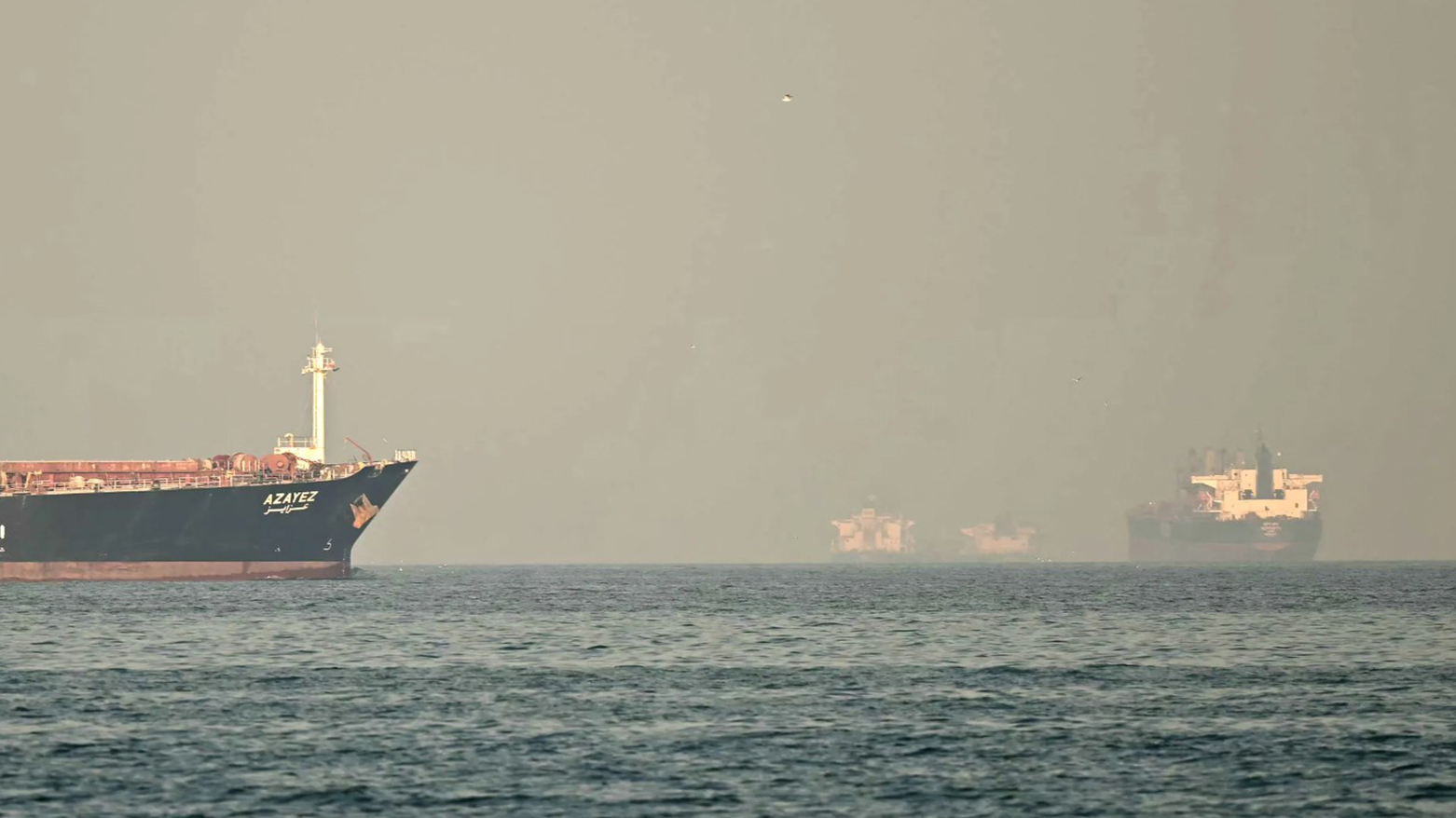
ERBIL (Kurdistan24) – According to Axios U.S. President Donald Trump had been weighing a naval blockade of Iran and the Strait of Hormuz for several days as a contingency plan, before ultimately ordering the move following the collapse of high-stakes diplomatic talks in Pakistan.
The announcement came just hours after negotiations between Washington and Tehran failed to produce an agreement, prompting a swift escalation in U.S. strategy.
According to U.S. officials, the blockade option had been under active discussion within Trump’s team in anticipation that talks might break down. The move is aimed at countering Iran’s control over the strategic waterway, widely seen as a critical global oil transit route.
“Effective immediately, the United States Navy… will begin the process of blockading any and all ships trying to enter, or leave, the Strait of Hormuz,” Trump said in a statement posted on social media.
The U.S. president also warned that naval forces would “seek and interdict” vessels that had paid tolls to Iran for passage through the strait, stressing that “no one who pays an illegal toll will have safe passage on the high seas.”
The Strait of Hormuz has been a focal point of tension, with Washington accusing Tehran of exploiting its position by selectively allowing passage and imposing high fees on shipping vessels. Trump described Iran’s actions as an attempt to “extort” the international community and called for the immediate reopening of what he termed a vital international waterway.
“It’s going to be all or none,” Trump said in an interview, referring to Iran’s alleged practice of granting access to some countries while restricting others.
A senior U.S. official said the blockade is intended to strip Iran of what Washington views as a key bargaining tool in ongoing disputes over its nuclear program and regional influence.
The development marks a significant escalation in tensions in the Gulf, raising concerns over the potential impact on global energy markets and maritime security.