The Strait of Hormuz Crisis Deepens: 2. 800 Ships Stranded, 10 Crew Dead, and Now a US Blockade
ADNOC's chief executive on April 12 declared the Strait of Hormuz is not Iran's to close, citing 800 stranded ships and 10 crew deaths since Feb. 28. Trump responded to the failed Islamabad talks by ordering a US Navy blockade of the waterway.
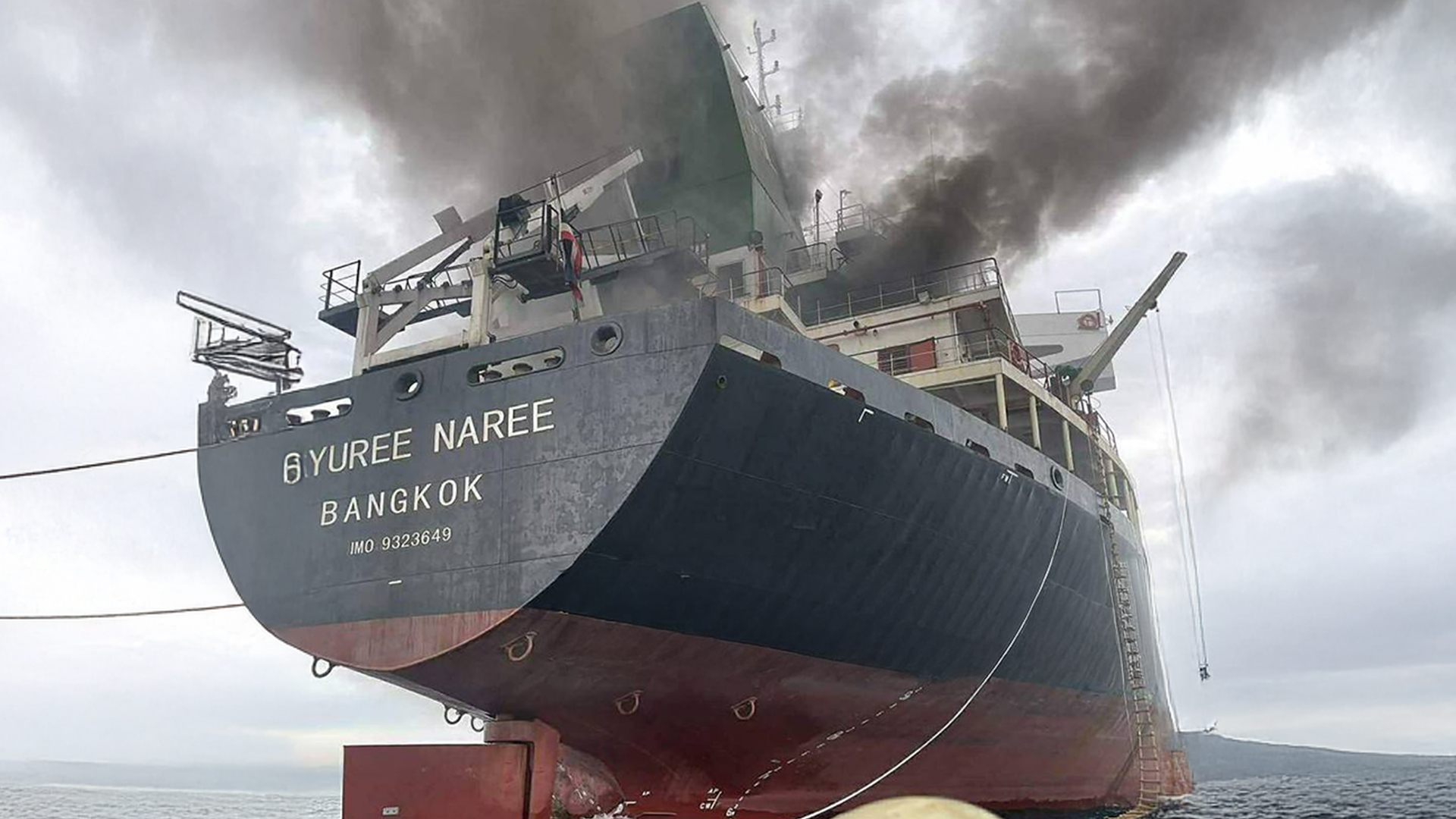
ERBIL (Kurdistan24) - The collapse of the Islamabad talks sent shockwaves far beyond the negotiating room — and nowhere more acutely than across the waters of the Strait of Hormuz. On Sunday, Sultan Jaber, chief executive of the Abu Dhabi National Oil Company (ADNOC), issued a blunt and unambiguous response to Iran's threats against the strategic waterway, posting a detailed accounting of the human and economic cost of the crisis on X.
"The Strait of Hormuz has never been Iran's to close or restrict navigation in," Jaber wrote. "Any attempt to do so is not merely a regional issue, but represents a disruption to a global economic lifeline and a direct threat to the energy, food, and health security of all countries in the world.
This behavior is illegal, dangerous, and unacceptable, and the world cannot bear its consequences or allow it to happen."
The toll since Feb. 28
Jaber laid out the scale of the disruption in precise terms. Since the outbreak of hostilities on Feb. 28, at least 22 ships have been targeted in or around the strait.
Ten crew members have been killed. Around 20,000 seafarers are stranded and unable to cross safely, while approximately 800 commercial vessels — including nearly 400 oil tankers — remain stuck, unable to transit freely.
Trump orders naval blockade
The ADNOC chief's statement came as US President Donald Trump announced a sharp escalation in Washington's posture toward the strait.
In a post on Truth Social, Trump declared that the US Navy would immediately begin blockading all ships attempting to enter or leave the Strait of Hormuz.
"Effective immediately, the United States Navy, the finest in the world, will begin the process of blockading any and all ships trying to enter or leave the Strait of Hormuz," Trump wrote.
Control of the strategic waterway had been one of the central sticking points in the Islamabad negotiations, with Tehran seeking greater authority over the passage and Washington insisting on free and open transit for all vessels.
The failure to reach a deal, compounded by the blockade announcement, marks a significant escalation and leaves the future of US-Iran relations in an increasingly precarious state.
Despite the breakdown, Trump struck a measured public tone, saying the negotiations had gone "very good" overall and that "most points were agreed to."
He attributed the failure primarily to Iran's continued refusal to compromise on its nuclear program, saying Tehran remained unwilling to meet core US demands on that issue.
Vance, who confirmed the talks had lasted 21 hours before concluding without a breakthrough, noted that Iran had rejected what Washington described as its "final and best offer," while declining to disclose the specific contents of the proposal.
IRGC declares full control of the strait
Iran responded swiftly and with force. The Islamic Revolutionary Guard Corps (IRGC) announced Sunday that its naval forces have assumed full control over all maritime traffic through the Strait of Hormuz. In a statement posted in Persian on X, accompanied by video footage appearing to show vessels targeted in crosshairs, the IRGC naval command declared: "All traffic is under the full control of the armed forces."
The Guards issued a stark warning to any adversary contemplating hostile action, stating that "the enemy will become trapped in a deadly vortex in the Strait if it makes the wrong move" — a direct and unambiguous message to Washington as US naval assets move toward the waterway through which roughly one fifth of the world's oil supply passes.