Iraqi Diplomats Face Wave of Summons as Regional Neighbors Protest Militia Attacks
Iraqi diplomats in four major capitals were summoned this week following confirmed reports of drone strikes launched by Iraqi-based militias against regional security targets.
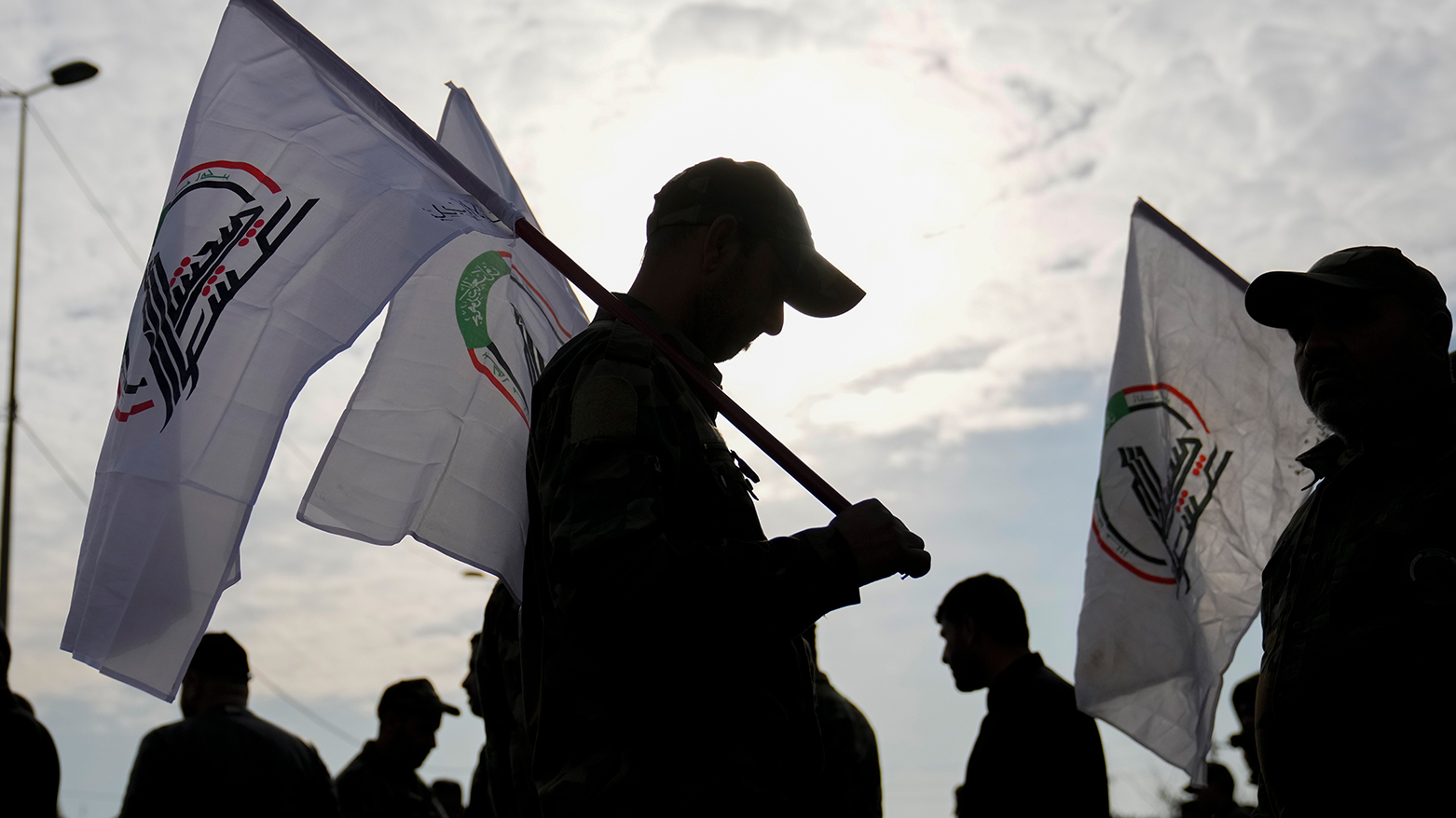
ERBIL (Kurdistan24) - The Iraqi government has encountered a concentrated diplomatic crisis over the past five days, as four international capitals formally summoned Baghdad’s diplomatic representatives to protest a series of attacks carried out by armed factions operating from within Iraqi territory.
The surge in diplomatic pressure, documented by the news outlet Al-Araby Al-Jadeed, follows drone strikes and ground-level security breaches targeting the United States, Saudi Arabia, Kuwait, and Bahrain, marking a significant setback for Iraq’s sovereign control and foreign policy.
The diplomatic sequence began on Wednesday when Kuwait summoned the Iraqi Chargé d’Affaires, Zaid Abbas Shanshal. This was followed by the United States summoning the Iraqi Ambassador in Washington, Nizar Khairallah, on Thursday.
According to reporting from Al-Araby Al-Jadeed, the trend intensified on Sunday as Saudi Arabia summoned Ambassador Safia al-Suhail in Riyadh, and Bahrain subsequently summoned the Baghdad embassy’s Chargé d’Affaires, Ahmed Ismail al-Karawi.
The summons were largely centered on the activities of armed factions affiliated with Iran, which have reportedly utilized Iraqi soil to launch explosive drones. In Washington, U.S. officials accused factions described as "terrorist" of launching attacks near Baghdad International Airport.
In Riyadh, the Saudi government leveled direct accusations against Iraqi-based groups for strikes against the Kingdom and other Gulf Cooperation Council (GCC) states.
During the meeting with Ambassador al-Suhail, Saudi officials expressed "condemnation and denunciation of the attacks originating from Iraqi territory toward Saudi Arabia and the Gulf states," demanding that Baghdad "deal responsibly with these threats and attacks."
As detailed by Al-Araby Al-Jadeed, Bahrain informed Chargé d’Affaires al-Karawi of its "strong condemnation and denunciation regarding the continued sinful attacks by drones originating from Iraqi territory," emphasizing the importance of an urgent and responsible sovereign response.
The situation in Kuwait involved a ground-level security breach in addition to aerial threats. Kuwaiti officials condemned the storming of the nation’s consulate in Basra following protests organized by supporters of armed groups, specifically the "Kata'ib Hezbollah" faction.
This marked the second time this year that Kuwait has formally summoned Iraq’s representative over security concerns.
According to an exclusive report by Al-Araby Al-Jadeed, a senior official at the Iraqi Ministry of Foreign Affairs in Baghdad stated that other regional neighbors—including Jordan, Syria, and Türkiye—have also adopted a strategy of direct communication with Baghdad regarding militia activities since the regional conflict with Iran escalated.
The official, speaking on the condition of anonymity, indicated that the Iraqi government has received documentation and aerial imagery from these nations confirming that various factions have carried out attacks from within Iraqi borders.
While neighboring states are pressuring the government of Prime Minister Mohammed Shia al-Sudani to intervene, the official told Al-Araby Al-Jadeed that the administration feels "politically restricted regarding taking action to stop these attacks," despite possessing the necessary security and military capacity.
In response to the mounting international pressure, Amer al-Fayiz, an Iraqi Member of Parliament and head of the "Tasmeem" Alliance, revealed that the ruling Coordination Framework coalition has initiated a negotiation committee to address the crisis.
The committee, led by Badr Organization Secretary-General Hadi al-Amiri, has sought to convince armed groups to halt military operations against American interests and regional diplomatic missions.
As noted in the reporting by Al-Araby Al-Jadeed, these negotiations resulted in a tentative truce. Al-Fayiz stated that the agreement stipulates a cessation of faction operations against American targets in exchange for a commitment from the United States and Israel to refrain from military escalation or strikes against the headquarters of the Popular Mobilization Forces (PMF).
He suggested that the armed groups have signaled a willingness to maintain this commitment even after the current truce expires, provided regional hostilities end permanently.
However, the sustainability of this domestic understanding remains under scrutiny. Former Iraqi MP Ahmed al-Moussawi told Al-Araby Al-Jadeed that factional movements remain heavily influenced by "foreign interests rather than domestic understandings," suggesting that attacks could resume if the wider regional truce is compromised.
Al-Moussawi described the repeated summoning of ambassadors as evidence of an international consensus that the PMF and its affiliated factions constitute a significant security problem for both Iraq and its neighbors.
The technical scale of the militia operations was underscored by a recent video released by the "Saraya Awliya al-Dam" militia, which claimed responsibility for three drone strikes targeting bases in Kuwait, Jordan, and Syria.
Al-Araby Al-Jadeed reported that intelligence sources linked the group to the "Kata'ib Sayyid al-Shuhada" faction. The footage showed Iranian-made "Shahed-1" drones being launched from mobile platforms atop large trucks in the Samawah desert of southern Iraq.
Despite an intensified security presence in the area, the factions used placards to identify their targets: the Muwaffaq al-Salti base in Jordan, the Sabah al-Salem base in Kuwait, and a facility in the Syrian governorate of Al-Hasakah.
Political expert Ahmed al-Hamdani, in a statement to Al-Araby Al-Jadeed, described the series of diplomatic summons as a "setback for Iraqi foreign policy," arguing that Baghdad should have taken a proactive stance to prevent such recurrences.
He noted that the government’s reliance on silence rather than assertive sovereign measures has allowed armed factions to publicly claim responsibility for "clear aggressions against neighboring countries" through video recordings and periodic statements.
The UK-based and Qatari-affiliated outlet Al-Araby Al-Jadeed concluded that the diplomatic pressure reflects a growing international demand for the Iraqi state to exercise its authority over non-state actors.