Iran Rejects US Request to Extend Ceasefire, Insists Washington Must Honor Existing Commitments
Iran rejected the US request to extend the ceasefire on April 15, insisting Washington fulfill existing commitments. The White House expressed optimism about a second round of talks, very likely in Islamabad, as Pakistan's army chief visited Tehran to facilitate renewed diplomacy.
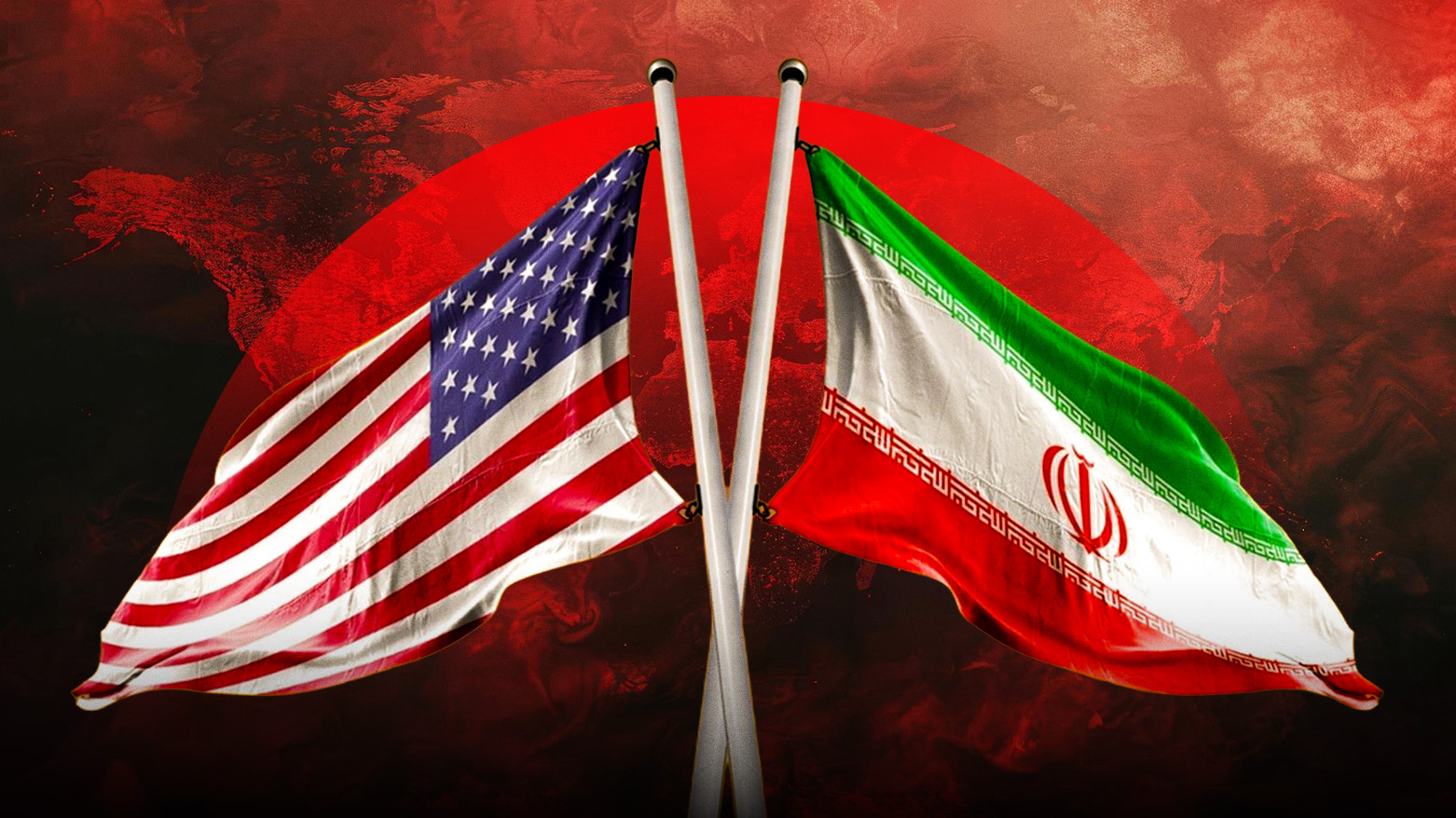
ERBIL (Kurdistan24) - Iran is not prepared to give Washington more time — it wants Washington to use the time it already has. That was the message carried by Iran's Tasnim News Agency on Wednesday, which reported that despite a formal US request to extend the current ceasefire by two weeks, Tehran has so far withheld its agreement.
According to Tasnim, the Islamic Republic of Iran believes the US should focus on fulfilling the commitments and promises already agreed upon within the framework of the existing ceasefire, rather than seeking additional time without having met its existing obligations. Tehran has also made clear that Washington must abandon what it characterized as excessive and unfounded demands in the negotiating process.
On the question of where any future talks might be held, Tasnim reported that despite several European countries expressing readiness to host a new round of Iran-US negotiations, no decision has been taken to change the venue. Iran has not accepted the European offers, and Islamabad remains the designated location for any potential next round — should Tehran decide to proceed with further talks.
White House expresses optimism
Even as Tehran held its ground on the ceasefire extension, Washington signaled it remains committed to the diplomatic path. White House Press Secretary Karoline Leavitt told reporters on Wednesday that the US is considering a second round of peace talks with Iran and is optimistic about the prospects of reaching a deal. She added that any upcoming negotiations would "very likely" take place in Islamabad.
The announcement came alongside renewed diplomatic activity on the ground. Earlier Wednesday, Iranian Foreign Minister Abbas Araghchi received a high-level Pakistani delegation in Tehran, led by Army Chief Asim Munir, as part of ongoing mediation efforts following the breakdown of the first round of talks. The delegation, which includes Interior Minister Mohsin Naqvi, is expected to convey messages from Washington and explore the possibility of restarting negotiations. Iranian state media described the visit as part of continued diplomatic engagement after the previous round failed to produce a breakthrough.
Foreign Ministry spokesperson Ismail Baghaei confirmed that indirect communication between Tehran and Washington has persisted through Pakistan since the earlier talks concluded, noting that several messages have been exchanged in recent days.
The previous round of negotiations, which lasted around 21 hours over the weekend under a fragile two-week ceasefire, saw the US delegation led by Vice President JD Vance and the Iranian side headed by Parliament Speaker Mohammad Baqer Qalibaf. Despite the intensive engagement, core disagreements remained unresolved. Trump subsequently criticized Iran for refusing US demands on its nuclear program and for not reopening the Strait of Hormuz.
Reports indicated that Washington proposed a 20-year suspension of uranium enrichment, while Tehran countered with a five-year pause — an offer US officials reportedly declined. Baghaei described some American demands as "unreasonable and unrealistic," while emphasizing that Iran's right to peaceful nuclear energy is non-negotiable, though signaling that enrichment levels could still be subject to discussion.
The latest developments point toward cautious diplomatic momentum, with Pakistan continuing to serve as the indispensable bridge between two sides that remain far apart — but have not yet walked away from the table.