Outrage Mounts in Kurdistan Region After Death of Drone Attack Victim Ghazal Mawlan
Mawlan was wounded in a recent drone strike near the Sulaimani province border. The case has triggered widespread public outrage and drawn condemnation from human rights organizations and civil society groups after multiple hospitals refused to admit her, ultimately leading to her death.
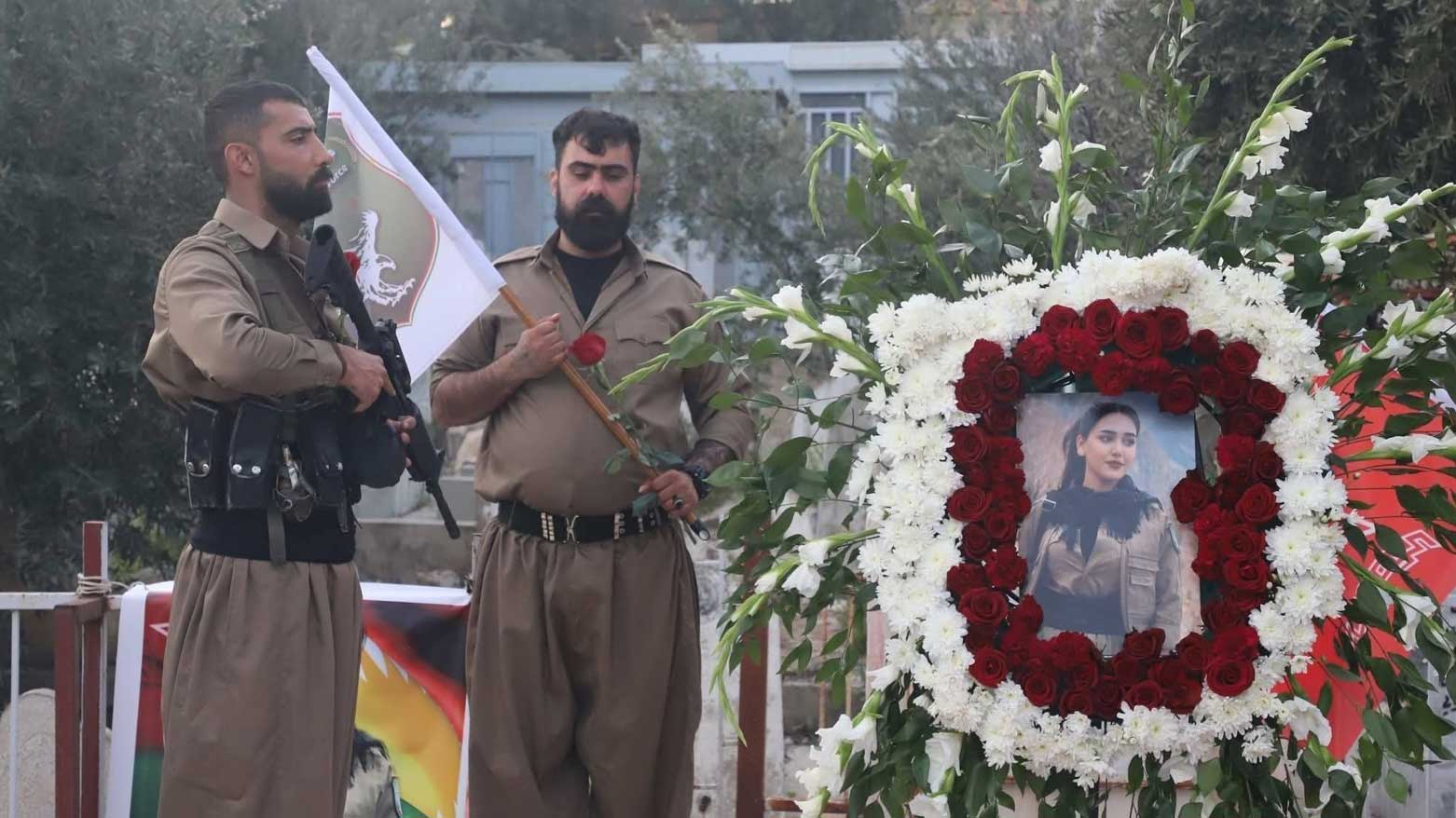
ERBIL (Kurdistan24) — The Independent Commission for Human Rights in the Kurdistan Region has expressed deep concern over the death of 18-year-old Ghazal Mawlan, who died after being denied medical treatment following injuries sustained in a drone attack.
According to a statement issued on Thursday, Mawlan was wounded in a recent drone strike near the Sulaimani province border. The case has triggered widespread public outrage and drawn condemnation from human rights organizations and civil society groups after multiple hospitals refused to admit her, ultimately leading to her death.
The Commission said Mawlan was turned away from several hospitals, which cited a “lack of necessary resources,” as well as legal constraints such as the absence of police authorization to treat victims of such incidents.
“Providing medical treatment is one of the most fundamental human rights and cannot be neglected under any justification,” the Commission stressed, calling the incident a serious violation of the right to life.
In addition, the Commission criticized what it described as obstruction of religious funeral rites, including preventing the washing of her body in mosques, calling it a breach of social and religious norms.
The rights body urged the formation of a high-level investigative committee involving the Public Prosecution, the Kurdistan Regional Government (KRG) Ministry of Health, and security authorities. It called for those responsible for the alleged negligence to be identified, referred to the judiciary, and for the findings to be made public.
Meanwhile, a group of intellectuals, artists, and civil activists across the Kurdistan Region issued a joint statement describing Mawlan's death as the “martyrdom of a Kurdish revolutionary girl.”
The group specifically named Baxshin Hospital and Asia Hospital, condemning their refusal to admit Mawlan as a violation of medical ethics and professional duty.
They also argued that the KRG Ministry of Health’s guidelines cited by the hospitals apply to criminal cases, and not to victims of war-related incidents such as drone strikes, rejecting the justifications given for denying treatment.
The case continues to fuel debate over medical responsibility, legal procedures, and the protection of basic human rights in emergency situations across the Kurdistan Region.