Kurdistan Region Condemns Baghdad’s Wheat Policy as 'Unjust' toward Farmers
Erbil warns reduced quotas could force farmers into losses as federal allocations sharply decline and Kurdistan Region criticized Baghdad’s wheat policy as unjust, citing declining procurement quotas despite rising production, with local data from Makhmour highlighting growing pressure on farmers
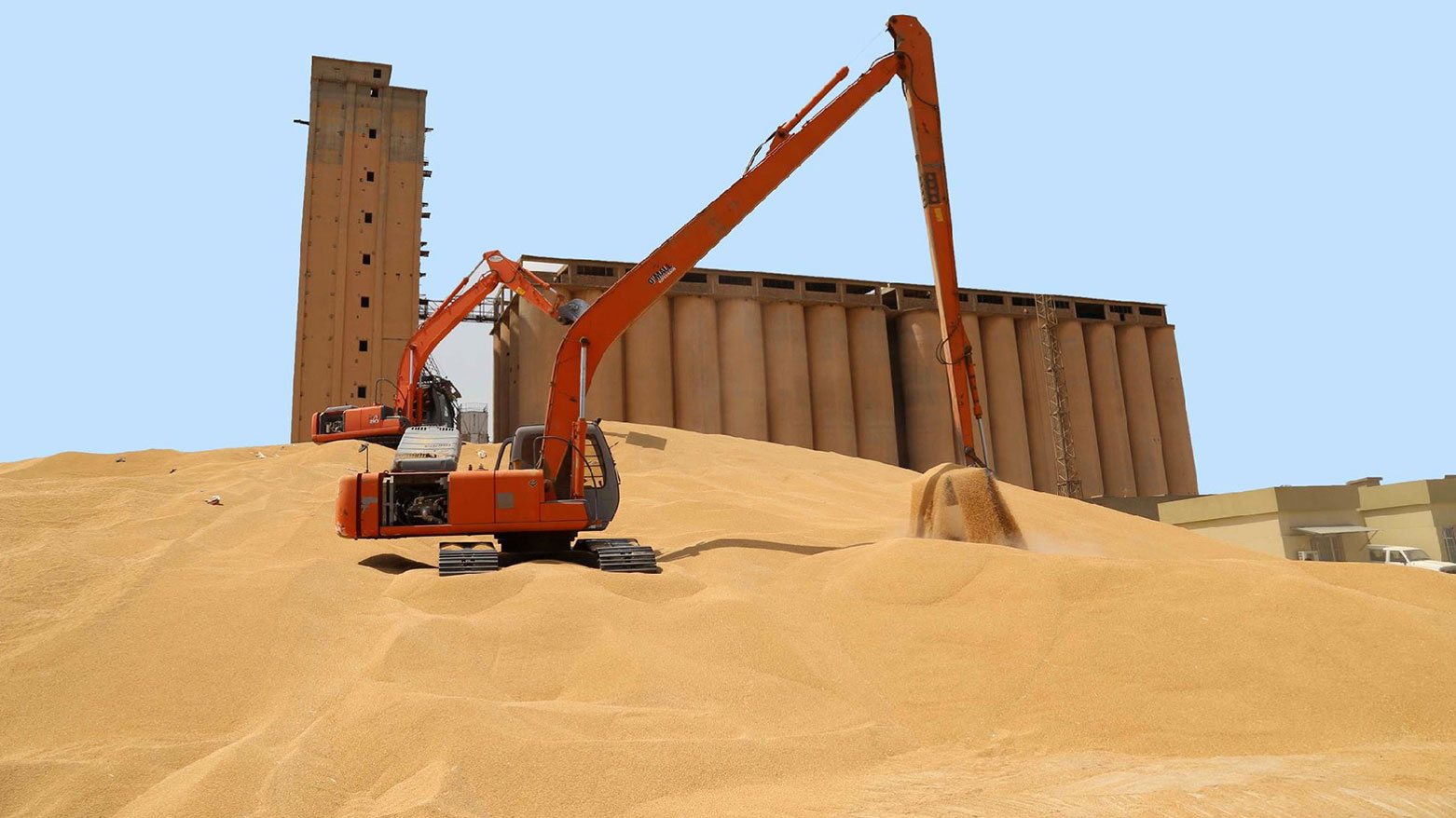
ERBIL (Kurdistan 24) - The Kurdistan Regional Government’s Ministry of Agriculture and Water Resources has formally protested what it described as an “unjust” policy by Baghdad toward farmers in the Kurdistan Region, highlighting a widening gap in wheat procurement allocations.
In an official letter addressed to Iraqi Prime Minister Mohammed Shia al-Sudani on Sunday, the ministry expressed concern and dissatisfaction over the quantities set for wheat collection for the 2025–2026 season.
According to the statement, a federal committee in Baghdad proposed collecting 3.8 million tons of wheat from central and southern provinces, while allocating only 292,000 tons for the Kurdistan Region. Representatives from the Region rejected the proposal, describing it as unfair and lacking scientific basis.
Hewa Ali, spokesperson for the Ministry of Agriculture and Water Resources, told Kurdistan24 that the ministry had formally conveyed its objections to Baghdad, criticizing the decision issued by Iraq’s Higher Agricultural Committee regarding wheat procurement from farmers in the Region.
The ministry warned that if the federal government does not purchase sufficient quantities from Kurdistan farmers, they may be forced to sell their crops at significantly lower prices to private traders. These traders, the ministry said, could then transport the same wheat to central and southern Iraq and resell it to government silos at higher prices, resulting in substantial losses for farmers in the Region.
Ali stated: “We have requested that the Iraqi government purchase at least 50% of the Region’s projected production, which amounts to 1.25 million tons of wheat.”
He added that, in return, the Kurdistan Region’s Ministry of Agriculture would commit to preventing the import of foreign wheat and controlling the movement of wheat between provinces during the harvest season.
The request comes at a time when approximately 3.3 million dunams of land in the Kurdistan Region have been cultivated with wheat this year. Farmers are expecting government support to help secure their production, particularly as favorable rainfall between 600 and 1,000 millimeters is projected to push total output beyond 2.5 million tons.
Despite this, the allocation set by Baghdad reflects a stark disparity. According to the federal decision, farmers in central and southern Iraq are eligible to sell between 750 and 900 kilograms per dunam, while the quota for the Kurdistan Region stands at only 88.5 kilograms per dunam.
The figures mark a continued decline in federal procurement from the Region. In 2024, Iraq purchased around 700,000 tons of wheat from Kurdistan farmers. In 2025, that figure dropped to 400,000 tons. For the current season, it has been reduced further to just 292,000 tons.
Officials in the Kurdistan Region have consistently described this pattern as unequal treatment, arguing that Baghdad’s policies fail to reflect production capacity and place disproportionate pressure on farmers in the Region.
In Makhmour, local agricultural authorities say the situation on the ground reinforces these concerns. Around 700 Kurdish and Arab farmers have been registered in the district, with an additional 160 cultivating wheat exclusively through rain-fed methods.
Marwan Hussein, head of Erbil’s agricultural directorate, said on April 15, 2026, that Makhmour silos operate under an annual plan to receive wheat, and this year all farmers with irrigation systems will have 100% of their production purchased, covering about 40,000 dunams.
He added that 27,000 dunams are planted with rain-fed wheat this season, supported by strong rainfall that reduced the need for irrigation.
Despite favorable agricultural conditions and expectations of increased output, previous years illustrate the challenges faced by farmers. In 2024, approximately 700,000 tons of wheat were produced in the Kurdistan Region, with only 400,000 tons purchased through government silos at supported prices. The remaining quantities were sold through local companies and informal markets.
The contrast between rising production in the Kurdistan Region and declining federal procurement continues to fuel criticism that Baghdad’s approach does not align with agricultural realities in the Region, leaving farmers exposed to financial losses.