People’s Front Official Denounces Judicial Standoff as Lahur Sheikh Jangi Continues Hunger Strike
Lahur Sheikh Jangi and his brother entered a second day of hunger strike over a stalled trial tied to the 2025 Lalezar clash, as allies allege judicial interference by Bafel Talabani. The dispute centers on Sulaimani authorities’ refusal to transfer case files, leaving proceedings in legal limbo.
![Zhino Mohammed, a senior official in the People’s Front [Berey Gel]. (Photo: Kurdistan24)](https://d2wqffb2bc8st5.cloudfront.net/images/1776689829_kurdistan24.jpg)
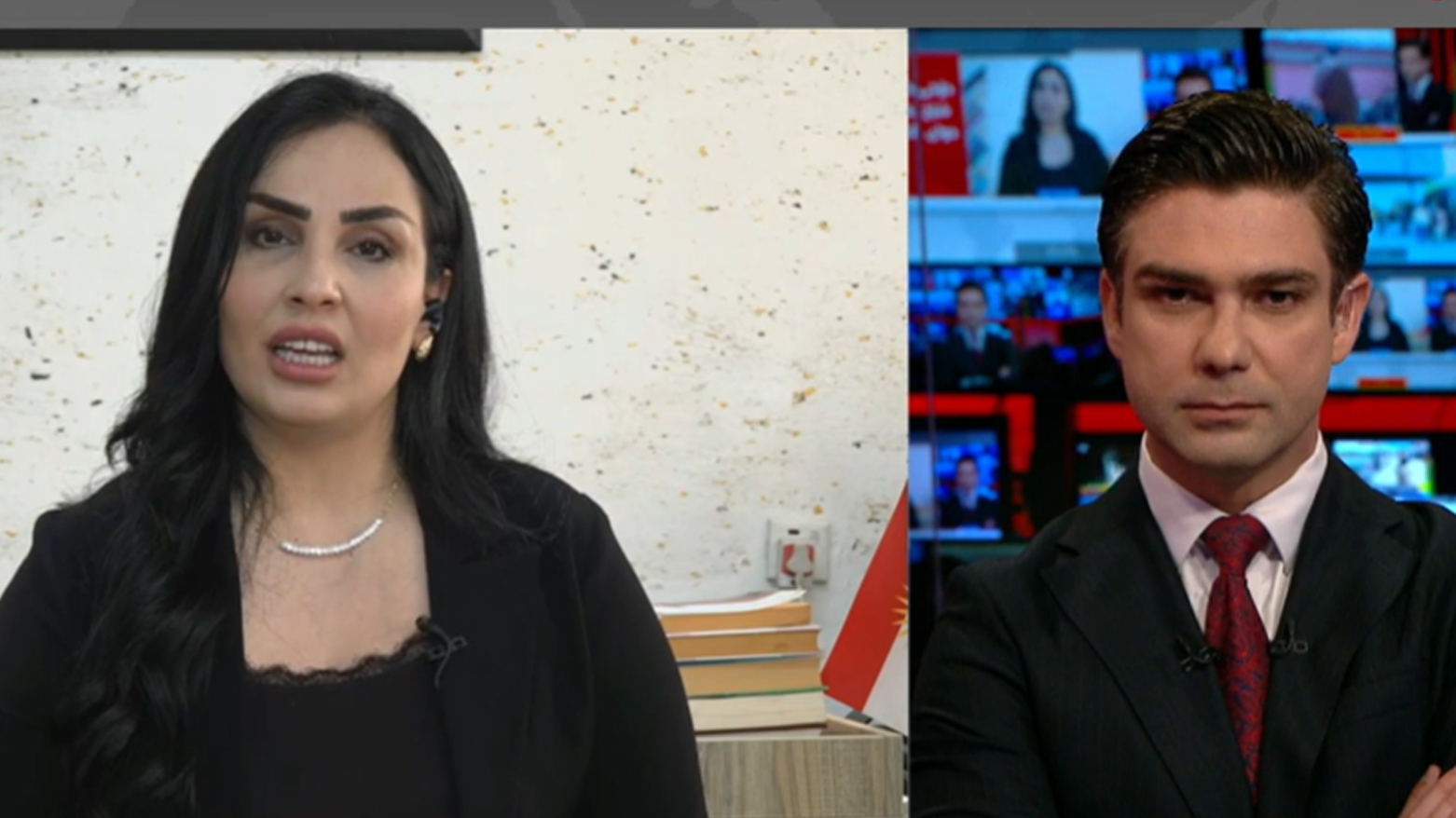
ERBIL (Kurdistan24) - Zhino Mohammed, a senior official in the People’s Front [Berey Gel], announced on Monday that Lahur Sheikh Jangi and his brother Polad have entered the second day of a hunger strike to protest a judicial "dead end" in Sulaimani.
The move follows months of procedural delays in the case stemming from the August 2025 Lalezar Hotel clash, which Mohammed characterized as a manifestation of "political whim" overriding the rule of law.
Speaking during a Kurdistan24 news bulletin on Monday, Mohammed told Kurdistan24 news anchor Kovan Ezzat that the decision to strike was reached after the defense team exhausted all legal avenues to ensure a transparent trial.
The announcement coincides with the release of 12 other detainees associated with the same case, a development that Mohammed argued highlights the inconsistent application of judicial standards within the Sulaimani court system.
This development marks a significant escalation in the ongoing power struggle within the Kurdistan Region’s political landscape, signaling a breakdown in institutional coordination between provincial courts and regional oversight.
By transitioning from legal petitions to a physical strike, the detainees are challenging the sovereignty of the judiciary and highlighting a systemic friction that threatens to undermine public trust in the legal framework.
The impasse centers on the refusal of local authorities to transfer original case files to the Region’s highest court, a procedural stalemate that suggests partisan interests may be obstructing the movement of high-profile cases across administrative lines.
The legal representative for the detainees, Burhan Rashid Gula, echoed Mohammed’s assessment.
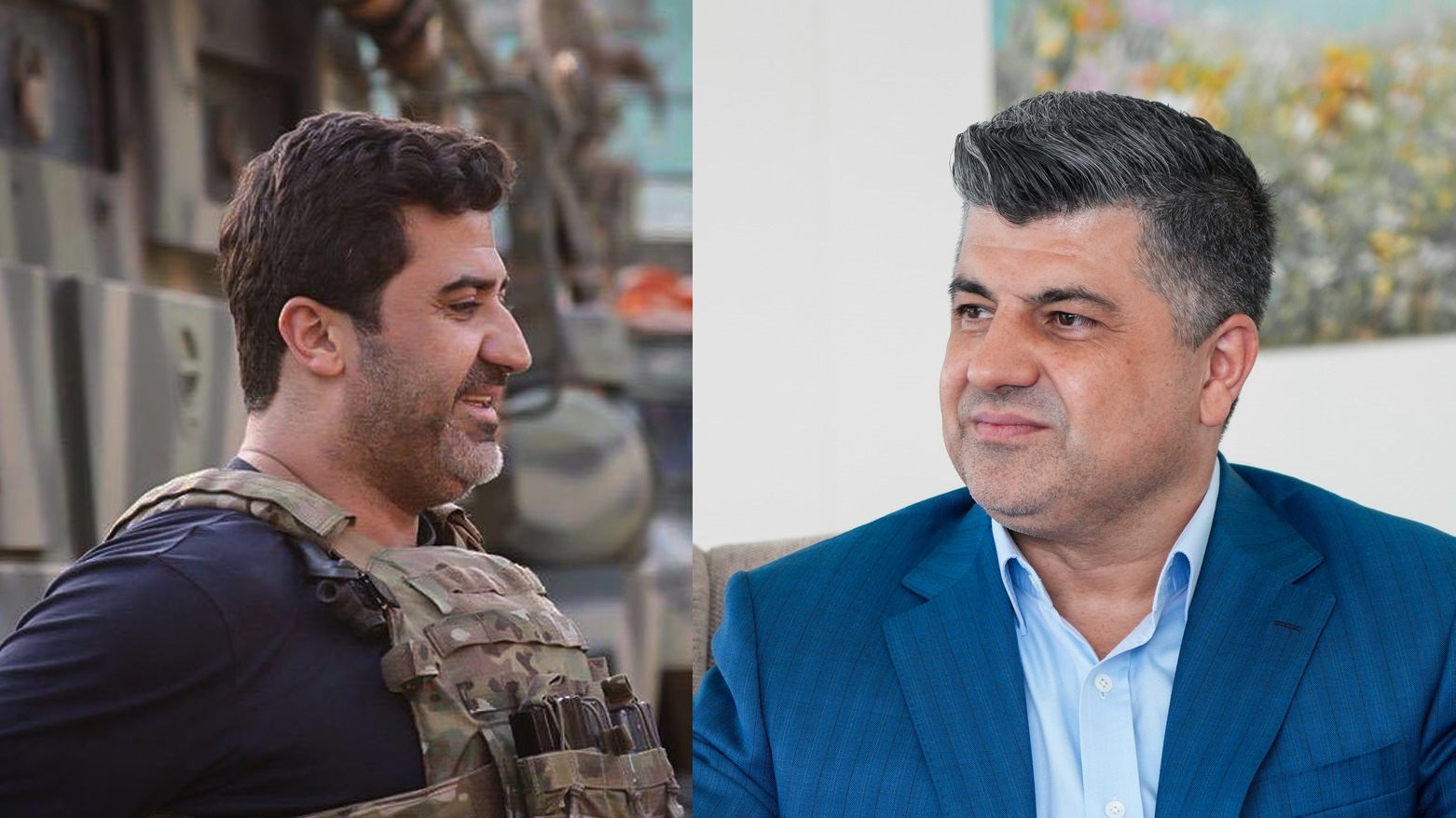
In an exclusive statement to Kurdistan24 on Monday afternoon, Gula confirmed that the hunger strike is a direct protest against the handling of the case and is intended to function as pressure to move the proceedings to an impartial venue.
He identified the primary grievance as the failure of the Sulaimani court to transfer the file to the Erbil Court of Cassation, despite a formal request for review by the higher judicial body.
The procedural conflict involves a specific institutional protocol regarding the authenticity of legal records.
According to a member of Lahur Sheikh Jangi’s legal team who spoke to Kurdistan24, the Court of Cassation, the final arbiter of law in the Kurdistan Region, cannot conduct an official review or issue a ruling based on photocopies.
While the Sulaimani court has reportedly forwarded a copy of the case file, it has withheld the original version. Consequently, the trial remains stalled in Sulaimani, a delay the defense attributes to a deliberate withholding of original documentation by local court officials.
In a final message published late Sunday night on his official Facebook page, Lahur Sheikh Jangi framed the strike as an act of necessity.
“For eight months, we have been unjustly imprisoned, contrary to all institutional and legal norms,” the statement read.
He directly alleged that Bafel Talabani, President of the Patriotic Union of Kurdistan (PUK), and Qubad Talabani, Deputy Prime Minister of the Kurdistan Regional Government (KRG), have exerted pressure on judicial institutions to prevent the case from reaching the Court of Cassation.
“To expose your scenarios, we are once again ready to risk our lives so that everyone knows you have left no role for the courts and institutions of Sulaimani,” the statement concluded.
Offices of PUK President Bafel Talabani and KRG Deputy Prime Minister Qubad Talabani have not issed a response to these allegations of judicial interference.
While the primary defendants remain in custody, the security environment in Sulaimani saw a minor shift on Monday.
An informed source told Kurdistan24 reporter Aram Bakhtiar that Muhsin Khoshnaw, a personal bodyguard for Lahur Sheikh Jangi, and 11 other detainees from the "Lalezar case" were released following the completion of investigations at the Sulaimani Asayish [security] headquarters.
This follows a sequence of releases earlier this year, including 14 individuals on April 9 and multiple groups in January and February.
Addressing these releases, Zhino Mohammed noted that while the freedom of the 12 supporters is welcomed, it raises serious institutional questions.
She argued that if the subordinates were not guilty and were held for eight months without cause, the continued detention of Lahur and Polad Sheikh Jangi suggests that decisions are being made outside the courtroom.
“If the law were sovereign, this case should have been handled differently from the very beginning,” Mohammed told Kurdistan24.
She asserted that Lahur Sheikh Jangi does not seek an administrative release without a trial, but rather a transparent proceeding in an impartial court, free from the "partisan pressure" he claims defines the current environment in Sulaimani.
The case is rooted in the events of August 22, 2025, when a violent confrontation broke out near the Lalezar Hotel in Sulaimani between security forces and gunmen affiliated with Lahur Sheikh Jangi.
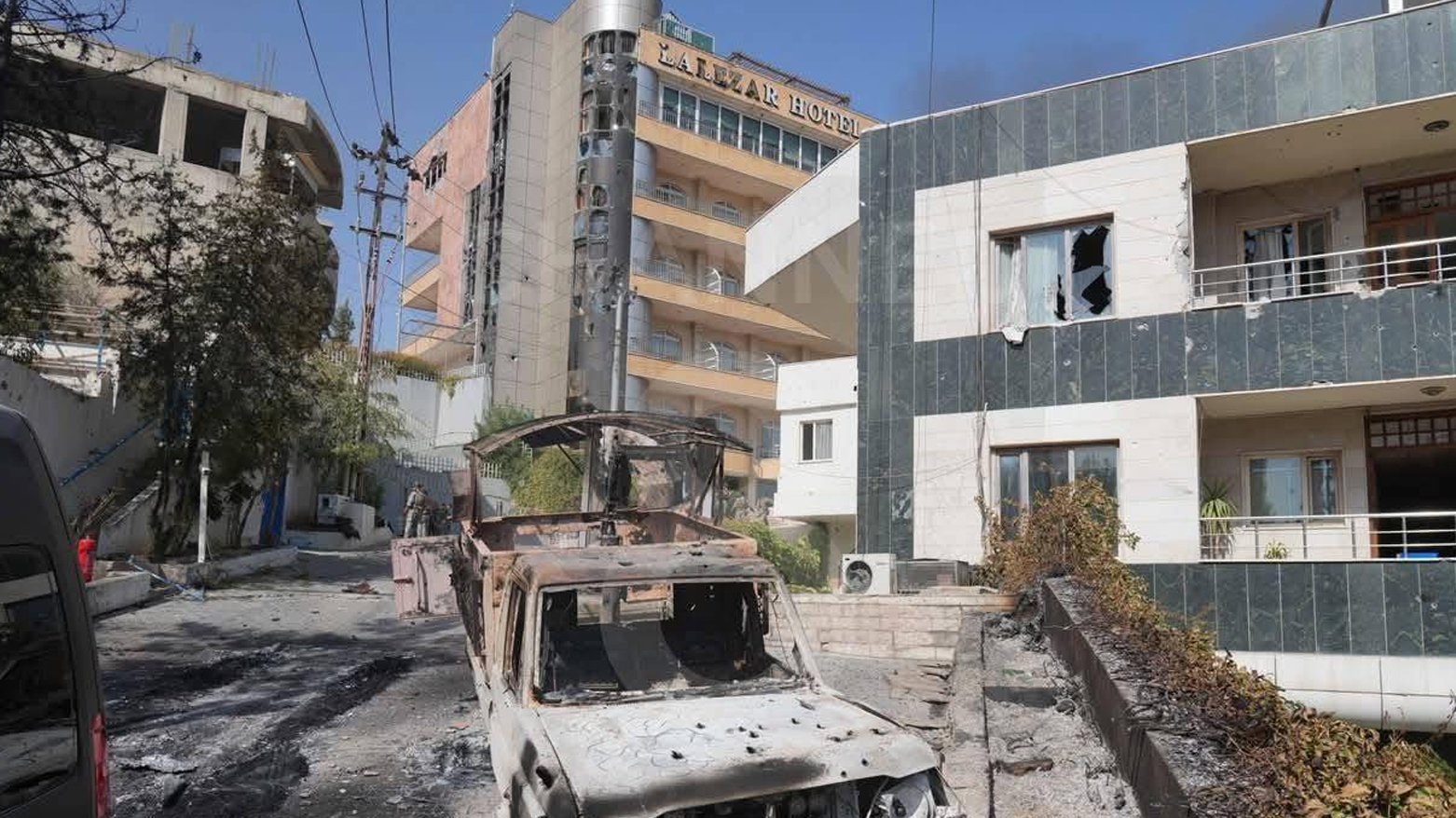
The clash, which lasted several hours and resulted in multiple fatalities and injuries on both sides, led to the mass arrest of Lahur and dozens of his supporters. The incident was the most severe kinetic manifestation of an internal PUK leadership struggle that began in July 2021.
Since then, the judicial process has been marked by inconsistency.
On January 12, 2026, a Sulaimani judge declined to issue a final ruling, instead opting to send the case to the Kurdistan Region Court of Appeals in Erbil for review. However, the physical transfer of the original files—the mandatory step for such a review—remains the point of failure three months later.
The judicial hierarchy of the Kurdistan Region is designed to ensure that provincial courts remain subject to regional legal standards.
The Court of Cassation serves as a safeguard against local judicial irregularities. The defense’s insistence on moving the trial to Erbil is predicated on the claim that the political climate in Sulaimani, a PUK stronghold, makes an independent trial impossible.
The health of the hunger strikers remains a point of concern for their supporters and legal counsel. Burhan Rashid Gula emphasized to Kurdistan24 that a hunger strike is a “civil and political right,” though he noted that conditions inside the prison have not been suitable for the detainees.
For the second consecutive day, the families and children of the brothers were permitted to visit them in prison, providing one of the few channels for monitoring their physical well-being.
The structural implications of this standoff extend beyond the fate of the individuals involved.
The refusal of a provincial court to comply with the procedural requirements of the regional high court represents a significant challenge to the institutional unity of the Kurdistan Region’s judiciary.
If the original files are not transferred, the case remains in a state of permanent legal limbo, a condition that critics argue effectively serves as a form of extrajudicial detention.
As the hunger strike proceeds into its second day, the pressure on the KRG’s judicial oversight bodies and the Presidency of the Region to resolve the file transfer issue is likely to increase.
For now, the sovereignty of the law in Sulaimani remains a matter of intense political and legal dispute, with the next steps dependent on whether the original documentation is eventually released to the Court of Cassation in Erbil.
Kovan Ezzat, a senior Kurdistan24 News Anchor, and Aram Bakhtiar, a Kurdistan24 correspondent, contributed to this report.