US Condemns Surge in Drone, Missile Attacks on Kurdistan Region, Iraq
The US condemned over 600 attacks on the Kurdistan Region and increased pressure on Iraq, linking financial restrictions to efforts against Iran-backed militias.
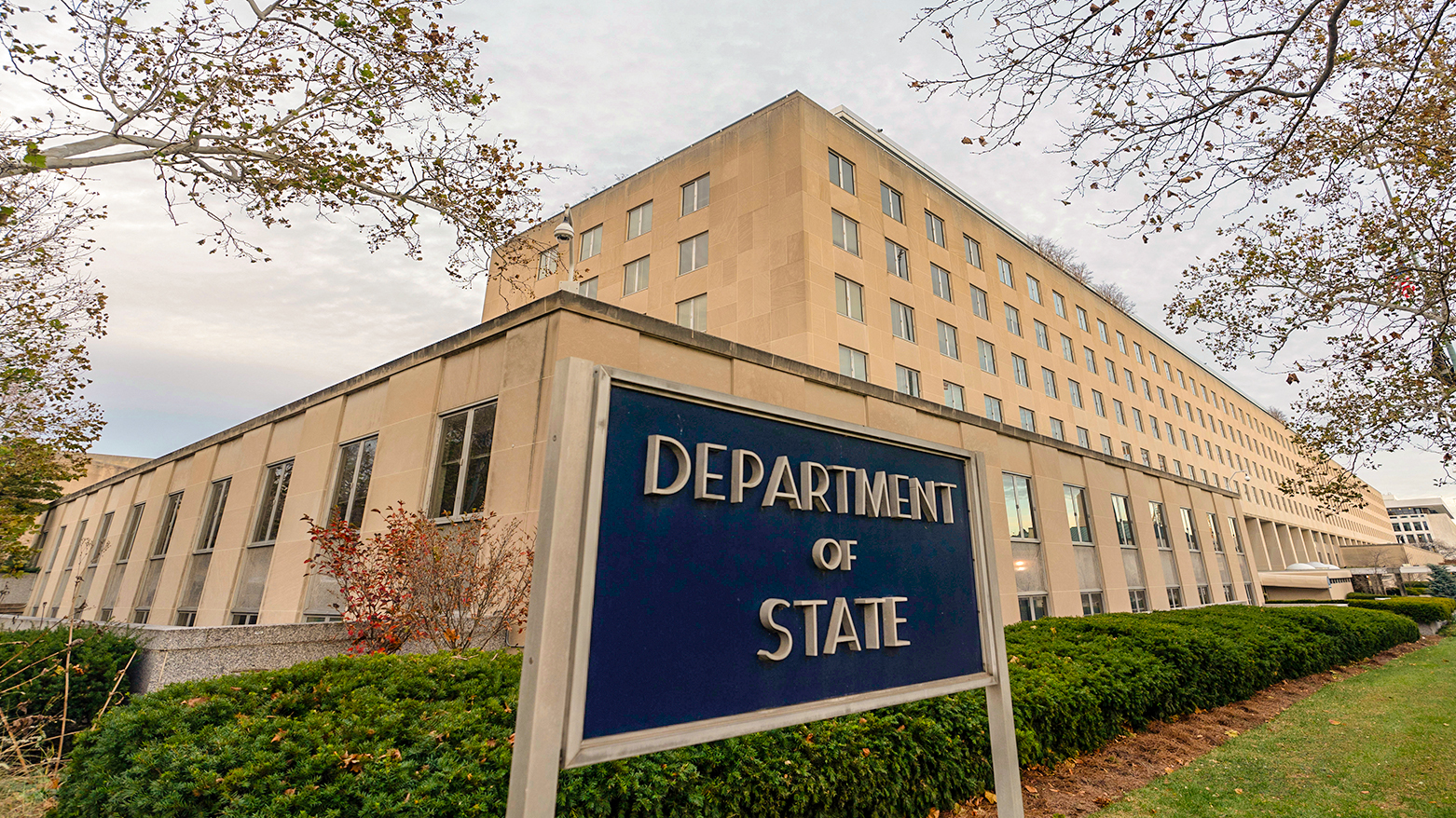
ERBIL (Kurdistan 24) — The United States has strongly condemned the escalation of drone and missile attacks targeting the Kurdistan Region and Iraq, warning of growing threats to civilians, institutions, and American interests.
On Wednesday, the US State Department press office told Kurdistan 24: “The U.S. government strongly condemns the hundreds of attacks carried out by Iranian-backed armed groups in the past few weeks.”
The statement said the attacks have targeted not only U.S. citizens and business interests, but also national institutions and civilians.
“These attacks have targeted U.S. citizens, diplomatic facilities and business interests, as well as attacks on civilian institutions and civilians, including in the Kurdistan Region,” the State Department added, noting that such activities extend beyond Iraq into neighboring countries.
The remarks come amid a sustained wave of missile and drone strikes that began following the outbreak of war between the United States and Israel against Iran.
According to official data made available by the Kurdistan Regional Government (KRG), more than 600 attacks have been carried out on the Kurdistan Region since the start of the conflict, resulting in 14 deaths and more than 90 injuries.
The escalation has coincided with increased pressure from Washington on Baghdad. The United States has blocked a $500 million cash shipment and halted dollar transfers to Iraq, in a move aimed at pressuring the Iraqi government to dismantle Iran-aligned militias and curb attacks targeting U.S. interests.
The suspension of financial flows reflects a broader effort by Washington to push Baghdad toward concrete action against armed groups operating within its territory.
Kurdistan Region's Prime Minister Masrour Barzani has repeatedly condemned the attacks, describing them as “heinous” and a “grave threat to the security and stability of the Kurdistan Region, Iraq, and the wider region.”
Barzani called on the federal government in Baghdad to take “immediate, decisive, and tangible actions” against the armed groups responsible, stressing that it is the responsibility of the Iraqi authorities to prevent such attacks and hold perpetrators accountable.
He also emphasized that the Kurdistan Region is not a party to the ongoing conflict, warning that continued strikes aim to undermine stability and disrupt ceasefire efforts.
The continued wave of attacks, combined with mounting U.S. pressure on Baghdad, highlights the growing complexity of the conflict, where financial, military, and political measures are increasingly intertwined.