U.S. Blocks $500M Cash Shipment, Halts Iraq Dollar Transfers to Pressure Iran-Backed Militias
Washington presses Baghdad to dismantle Iran-aligned militias amid escalating attacks on U.S. interests and the suspension of security funding
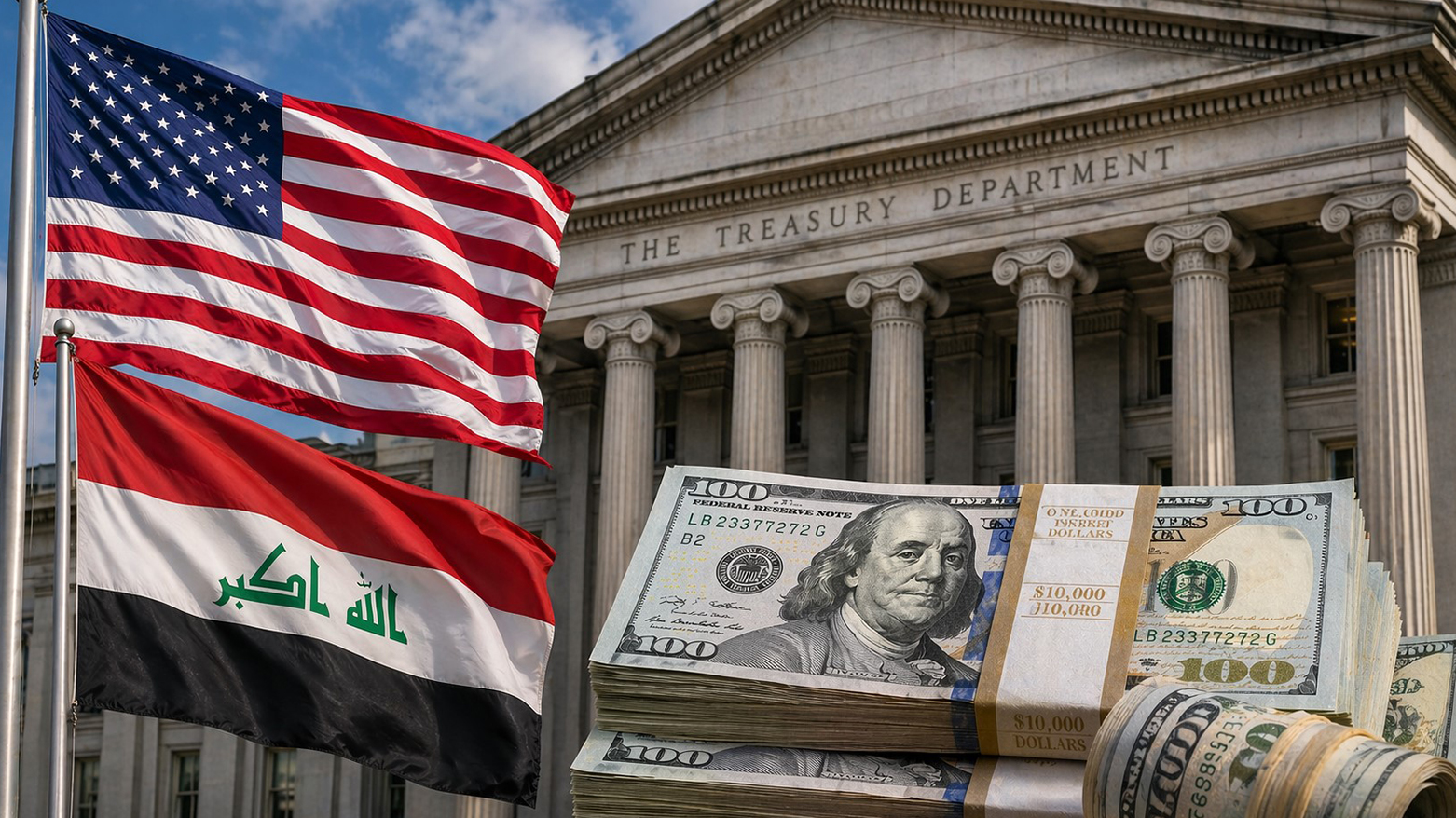
ERBIL (Kurdistan24) — The United States has blocked a cargo plane carrying nearly $500 million in U.S. banknotes—proceeds from Iraqi oil revenues held at the Federal Reserve Bank of New York—and suspended dollar shipments to Iraq as part of efforts to pressure Iran-aligned militias, according to a report by The Wall Street Journal published late Tuesday, citing officials from the U.S. State Department.
The report said Washington is increasingly urging Baghdad to take concrete steps to dismantle armed groups affiliated with Iran, warning that continued militia attacks on U.S. interests could further strain bilateral relations.
According to U.S. and Iraqi officials cited in the report, the blocked shipment marked the second such delay since the outbreak of the U.S.-Iran conflict in late February.
The move follows weeks of drone and rocket attacks attributed to Iran-backed militias targeting U.S. facilities in Iraq, the Kurdistan Region and neighboring countries.
U.S. officials indicated that Washington has also suspended funding for certain counterterrorism and military training programs until the attacks cease and Baghdad takes decisive action.
A spokesperson for the State Department warned that the Iraqi government’s inability to prevent militia activity, alongside alleged political and financial support for such groups, is negatively impacting ties with Washington. The official stressed that the United States expects Iraq to act immediately to dismantle Iran-aligned militias.
Despite the disruptions, the Central Bank of Iraq said in a statement Tuesday that it continues to meet domestic demand for U.S. currency and does not face a shortage.
Since 2003, Iraq’s oil revenues have been largely held in accounts at the New York Fed, with billions of dollars transferred annually to Baghdad in cash to sustain the country’s cash-based economy. This mechanism has long provided Washington with significant financial leverage, previously used to curb illicit flows, including funds diverted to extremist groups.
The latest measures underscore mounting U.S. pressure on Iraq to recalibrate its position amid the ongoing regional conflict involving Iran.
Iraqi militias—some formally integrated into state security structures—remain influential in both political and economic spheres, complicating efforts by Baghdad to confront them directly.
Prime Minister Mohammed Shia al-Sudani, who has been criticized by some observers for his limited effectiveness in curbing the influence of Iran-backed militias operating in Iraq—including groups accused of launching attacks on the Kurdistan Region and several Gulf countries—faces growing challenges as Iraq navigates competing pressures from Washington and Tehran.
The financial pressure on Iraq comes amid a broader U.S. campaign to constrain Iran’s regional influence and economic lifelines, combining financial leverage with military and diplomatic tools.
In parallel with restricting dollar flows to Baghdad, Washington has intensified maritime enforcement operations in the Gulf, effectively tightening a de facto naval blockade aimed at disrupting Iran’s oil exports and sanction-evasion networks.
The move follows the collapse of a second round of talks in Islamabad, mediated by Pakistan, which had sought to de-escalate tensions between Washington and Tehran. In the aftermath, U.S. President Donald Trump said in a post on Truth Social on late Tuesday that he had agreed to extend a ceasefire with Iran at the request of Pakistan’s Prime Minister Shehbaz Sharif and Army Chief Asim Munir, underscoring Islamabad’s continued diplomatic role even as negotiations faltered.
Together, these developments reflect a coordinated U.S. strategy to escalate pressure on Tehran across multiple fronts while compelling regional actors, including Iraq, to align more closely with its policy objectives.
Separately, regional tensions have intensified following a recent formal protest by the United Arab Emirates over attacks launched from Iraqi territory targeting Gulf states.
The Emirati Foreign Ministry condemned the strikes as violations of sovereignty and international law, warning that such actions could place relations with Baghdad under serious strain.
The protest came after a broader regional conflict that began on February 28, when U.S. and Israeli forces launched coordinated strikes against Iran, triggering weeks of retaliatory missile and drone attacks across the Middle East.
Armed groups aligned with Tehran, including factions operating in Iraq, played a key role in targeting U.S. and allied interests during the escalation.
Kurdistan Region and Gulf officials have called on Iraq to prevent further attacks originating from its territory, emphasizing Baghdad’s responsibility to uphold regional stability and act decisively against non-state armed actors.
The developments highlight the growing diplomatic and economic pressure on Iraq as it attempts to balance internal political dynamics with escalating regional tensions and demands from key international partners.