Senate Republicans Block Measure to Limit Trump’s Iran Operations, Citing Need for Executive Flexibility
Navy Secretary John Phelan departs unexpectedly with no reason given, as broader Pentagon leadership shifts continue under Defense Secretary Pete Hegseth
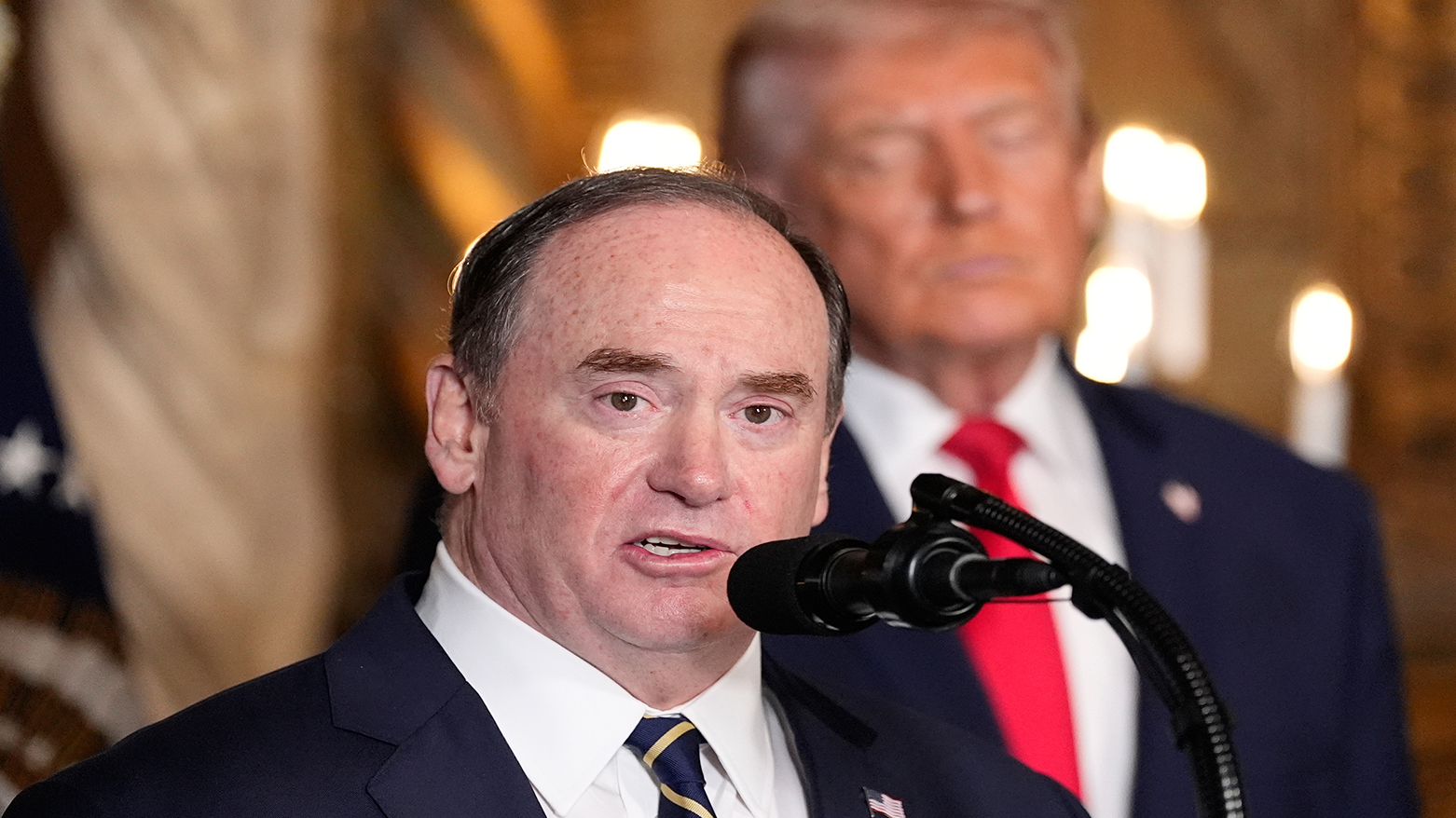
ERBIL (Kurdistan24) — Senate Republicans on Wednesday rejected a Democratic-led effort to restrict U.S. military operations against Iran, underscoring continued support within the chamber for President Donald Trump’s handling of the conflict and his authority as commander-in-chief.
In a 46–51 vote, the Senate declined to advance a war powers resolution sponsored by Senator Tammy Baldwin that sought to halt ongoing military actions. The measure marked the fifth such attempt by Democrats in recent weeks, all of which have failed to gain sufficient backing.
Senator Rand Paul was the only Republican to support moving the resolution forward, while Senator John Fetterman broke with his party to oppose it.
Republican lawmakers argued that limiting presidential authority at this stage could undermine U.S. strategic positioning. Senate Armed Services Committee Chairman Roger Wicker warned that the resolution would be “unwise” and potentially “dangerous,” emphasizing the need for operational flexibility as tensions with Iran persist.
He noted that neither the regional dynamics nor the Senate’s composition had materially changed since previous votes on similar proposals.
While Democratic supporters of the resolution raised concerns about the long-term trajectory of the conflict, the vote was largely symbolic, with little chance of becoming law. Any such measure would face significant hurdles, including the requirement of a two-thirds majority in both chambers of Congress to override a presidential veto.
The vote comes as the Trump administration continues parallel diplomatic efforts. President Trump announced this week an extension of the current ceasefire with Iran, citing divisions within Iran’s leadership and the need to allow more time for a unified response to ongoing negotiations.
According to the White House, no firm deadline has been set for Tehran to present a proposal.
Vice President JD Vance and U.S. negotiators have also postponed a planned visit to Islamabad, signaling a recalibration of the diplomatic timeline as talks evolve.
At the Pentagon, developments within military leadership have coincided with the broader strategic posture. Navy Secretary John Phelan stepped down unexpectedly, with Defense Department officials confirming his immediate departure. No formal reason was provided, though the move comes amid heightened naval operations, including enforcement measures targeting vessels linked to Iran during the ceasefire period.
Undersecretary Hung Cao, a decorated Navy veteran, has assumed the role of acting secretary. His appointment reflects the administration’s ongoing efforts to install leadership aligned with its defense priorities, particularly as U.S. forces remain positioned to respond if the ceasefire collapses.
The leadership change follows a series of high-level shifts within the Department of Defense under Secretary Pete Hegseth, including the replacement of several senior military officials earlier this year. Administration officials have framed these changes as part of a broader effort to streamline command structures and reinforce readiness.
Meanwhile, U.S. naval forces continue to maintain a significant presence in key regions, including the Middle East, where multiple aircraft carrier groups are deployed or en route. Officials say the military remains prepared to resume operations against Iran if necessary, even as diplomatic channels remain open.
Despite political divisions in Washington, the latest Senate vote highlights a prevailing consensus among Republicans to support the administration’s approach—balancing military preparedness with ongoing diplomatic engagement—as the situation with Iran continues to evolve.