Clearing Iranian Mines From Strait of Hormuz Could Take Six Months
The Pentagon warned Congress that Iranian mines could keep the Strait of Hormuz disrupted for six months after any peace deal
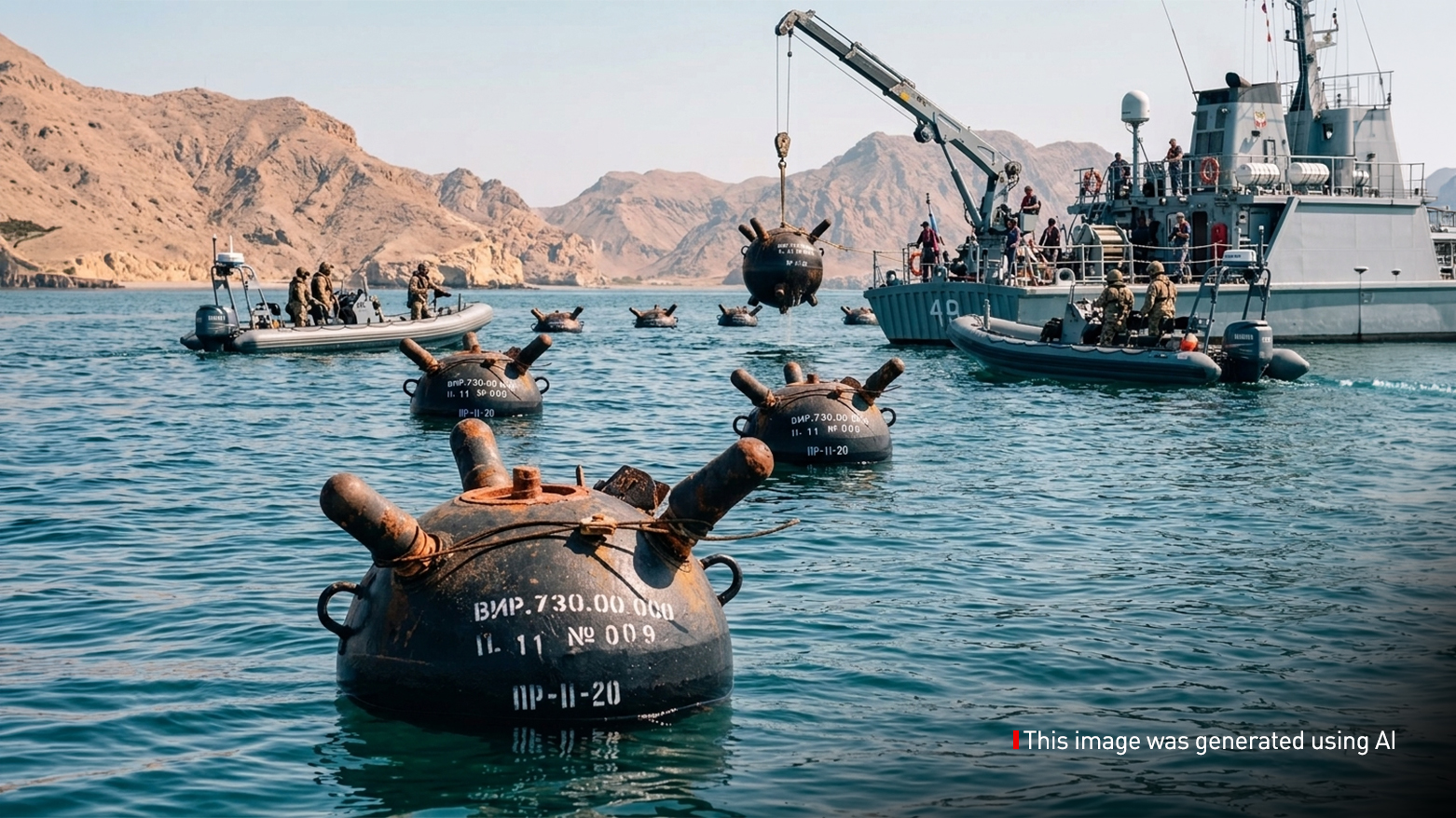
ERBIL (Kurdistan24) - It could take up to six months to fully clear the Strait of Hormuz of mines deployed by Iranian forces, the Pentagon has told members of Congress — a timeline that suggests the conflict's economic consequences could extend deep into the year and well beyond any eventual peace agreement between Washington and Tehran.
According to Washington Post, a senior Defense Department official shared the assessment during a classified briefing on Tuesday for members of the House Armed Services Committee, according to three officials familiar with the discussion. The estimate was met with frustration by lawmakers from both parties, two of those officials said.
The briefing came after President Trump stated on social media that Iran, with US assistance, had removed or was in the process of removing all sea mines from the strait — a claim the Pentagon's own assessment appears to complicate significantly.
Pentagon spokesman Sean Parnell declined to address the substance of the military's timeline, but issued a brief statement acknowledging that a classified briefing had taken place while calling the disclosed information "inaccurate." He added that by publishing the report, the Washington Post had demonstrated it cares "more about advancing an agenda than truth." US Central Command declined to comment, and the White House referred questions to the Pentagon.
GPS-guided mines, small boats
According to the three officials, lawmakers were told that Iran may have emplaced 20 or more mines in and around the Strait of Hormuz. Some were deployed remotely using GPS technology, which has made detection significantly more difficult for US forces. Others are believed to have been laid by Iranian forces operating small boats.
The clearing operation, officials said, is unlikely to begin until after the US war with Iran has ended — meaning the strait's disruption to global shipping could persist long after any ceasefire or peace deal is reached.
A vital waterway under pressure
Before the war, approximately 20 percent of the world's oil moved through the Strait of Hormuz, with Japan, South Korea, China, and other Asian nations among those most heavily dependent on Middle Eastern energy supplies. Iran declared the strait closed and has attacked vessels passing through it as a means of inflicting economic pain on the global economy and the Trump administration as both sides press their demands.
Iran began laying mines in the strait in March, as US and Israeli forces continued strikes on the country — a detail reported earlier by CNN. Trump subsequently threatened that Iran would face consequences "at a level never before seen" unless it removed any mines that "may have been placed."
In response, Defense Secretary Pete Hegseth said US forces were destroying Iranian mine-laying vessels with "ruthless precision," adding that Washington "will not allow terrorists to hold the Strait of Hormuz hostage." Iran's deputy foreign minister, Majid Takht-Ravanchi, denied that his country was laying any mines. The New York Times, citing US officials, reported this month that Iran itself appears unable to locate all of the mines it deployed.
Political and economic stakes
Beyond the immediate military picture, the Pentagon's assessment carries significant political weight. Elevated gasoline and oil prices are expected to persist through November's midterm elections — a prospect that presents a mounting challenge for Republican lawmakers. Trump's decision to go to war has proven unpopular with most Americans, recent polls have shown, and has fractured parts of his political base, which supported him based in part on repeated promises to avoid foreign military entanglements and prioritize domestic issues.