Iran, Pakistan Consult on Regional Security and Diplomatic Engagement With United States
The Pakistani and Iranian leadership agreed to maintain contact regarding the status of the ceasefire and the progress of the diplomatic track involving the United States.
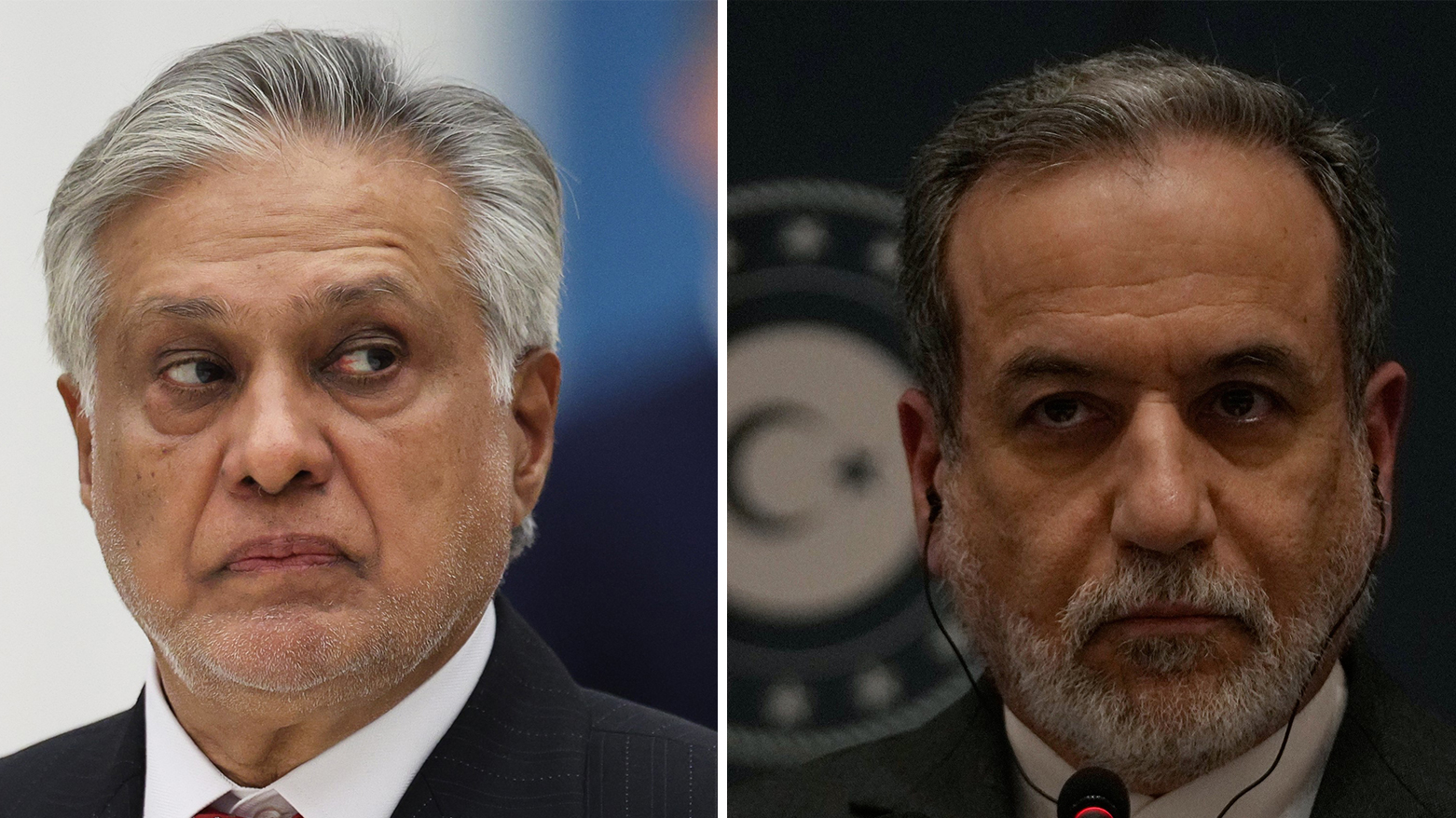
ERBIL (Kurdistan24) - Pakistan’s Deputy Prime Minister and Foreign Minister, Mohammad Ishaq Dar, received a telephone call Friday from Iranian Foreign Minister Abbas Araghchi to evaluate regional security developments and the status of diplomatic initiatives involving the United States.
The discussion, confirmed by official statements from Islamabad and Tehran, focused on the current ceasefire and the ongoing mediation efforts facilitated by Pakistan to maintain engagement between Iranian and American officials.
According to a statement released by the Pakistan Foreign Ministry via social media on Friday, the two officials exchanged views on the diplomatic process currently being pursued in the context of U.S.-Iran relations. During the conversation, Dar emphasized the necessity of sustained dialogue to resolve outstanding issues and promote stability across the region.
The Pakistani ministry noted that Araghchi expressed appreciation for Pakistan’s "consistent and constructive facilitation" in these matters, and both leaders agreed to remain in close communication.
DPM/FM Senator Mohammad Ishaq Dar @MIshaqDar50 received a call today from Foreign Minister of Iran H.E. Abbas Araghchi @Araghchi.
— Ministry of Foreign Affairs - Pakistan (@ForeignOfficePk) April 24, 2026
Both sides exchanged views on regional developments, the ceasefire, and ongoing diplomatic efforts being pursued by Islamabad in the context of… pic.twitter.com/eJ1fuVTVKE
Fars News Agency reported that Araghchi held separate consultations on Friday with both Dar and Field Marshal Asim Munir, Pakistan’s Chief of Army Staff.
This engagement follows a series of high-level communications between the two countries, including two prior conversations between the foreign ministers within the last seven days. The frequency of these calls underscores the active role Islamabad is playing as a middleman during a period of heightened regional sensitivity.
During an earlier conversation on Monday, April 20, Araghchi acknowledged Pakistan’s "good offices" and mediation efforts but raised significant concerns regarding the conduct of the United States.
According to the Fars News Agency account, the Iranian Foreign Minister characterized specific U.S. actions as "fundamental obstacles" to the diplomatic process. These included what he described as provocative measures, continuous ceasefire violations, and threats and aggression against Iranian commercial vessels.
Araghchi further noted that threatening rhetoric and contradictory stances from Washington were complicating the path forward, stating that the Islamic Republic would determine its future course after evaluating all aspects of the situation.
The current diplomatic activity follows the first round of Pakistan-mediated negotiations held in Islamabad on April 11 and 12. Those talks involved high-level delegations led by Mohammad Baqer Qalibaf, the Speaker of the Iranian Parliament, and J.D. Vance, the Vice President of the United States.
Reports from Iranian state-affiliated media indicate that the negotiations spanned 21 hours but concluded without a formal agreement in the early hours of Sunday, April 12. Iranian sources attributed the lack of a breakthrough to what they termed "U.S. excessive demands," though the specific nature of those demands was not detailed in the official releases.
Following the conclusion of the first round of talks, Field Marshal Asim Munir traveled to Tehran on April 15 for meetings with Iranian officials, including Araghchi. According to reports from the Secretariat of the Supreme National Security Council cited by Fars, Munir presented a formal proposal from the United States to the Iranian leadership during this visit.
On April 20, Iranian Foreign Ministry spokesperson Esmail Baghaei confirmed that the review of this proposal was ongoing in Tehran, indicating that the Iranian government had not yet formulated a final response to the American overture.
The diplomatic exchanges are occurring against the backdrop of a fragile security arrangement. Iran and the United States initially reached a agreement on a two-week ceasefire on April 8. On Tuesday, April 21, U.S. President Donald Trump announced an extension of that ceasefire in the final minutes before its scheduled expiration.
While President Trump and various media outlets had signaled a new round of negotiations would take place in Islamabad on Wednesday, April 22, Iranian officials maintained throughout the week that no final decision had been reached regarding their participation in that specific session.
The role of the Pakistani military has been a central component of the mediation.
The consultations between Araghchi and Field Marshal Munir suggest that security and military-to-military channels are being utilized alongside traditional diplomatic paths.
Araghchi’s outreach to both the civilian and military leadership in Pakistan reflects the multifaceted nature of the negotiations and the perceived importance of the Pakistani army’s influence in facilitating regional agreements.
Throughout the week, the Iranian Foreign Ministry has stressed that its decision-making process remains deliberate. The spokesperson’s briefing on April 20 highlighted that the review of the U.S. proposal, delivered via the Pakistani Army Chief, is a primary focus for the national security establishment in Tehran.
Despite the ceasefire extension, the rhetoric from the Iranian side remains cautious, frequently citing "provocative actions" by the U.S. as a reason for potential hesitation in future rounds of direct or indirect talks.
The Pakistani government, for its part, has reiterated its commitment to advancing regional peace through diplomatic engagement. The Deputy Prime Minister’s call for "sustained dialogue" aligns with Islamabad's long-standing policy of acting as a bridge between its neighbor, Iran, and its strategic partner, the United States.
The Friday consultations concluded with a mutual agreement to continue the current trajectory of close contact, as the international community monitors the stability of the ceasefire and the potential for a return to the negotiating table in Islamabad.