Netanyahu Warns Hezbollah “Dismantling” Ceasefire as Israel Orders Evacuations in Southern Lebanon
Israeli military cites violations by Hezbollah, signals potential escalation despite fragile truce along the Lebanon border
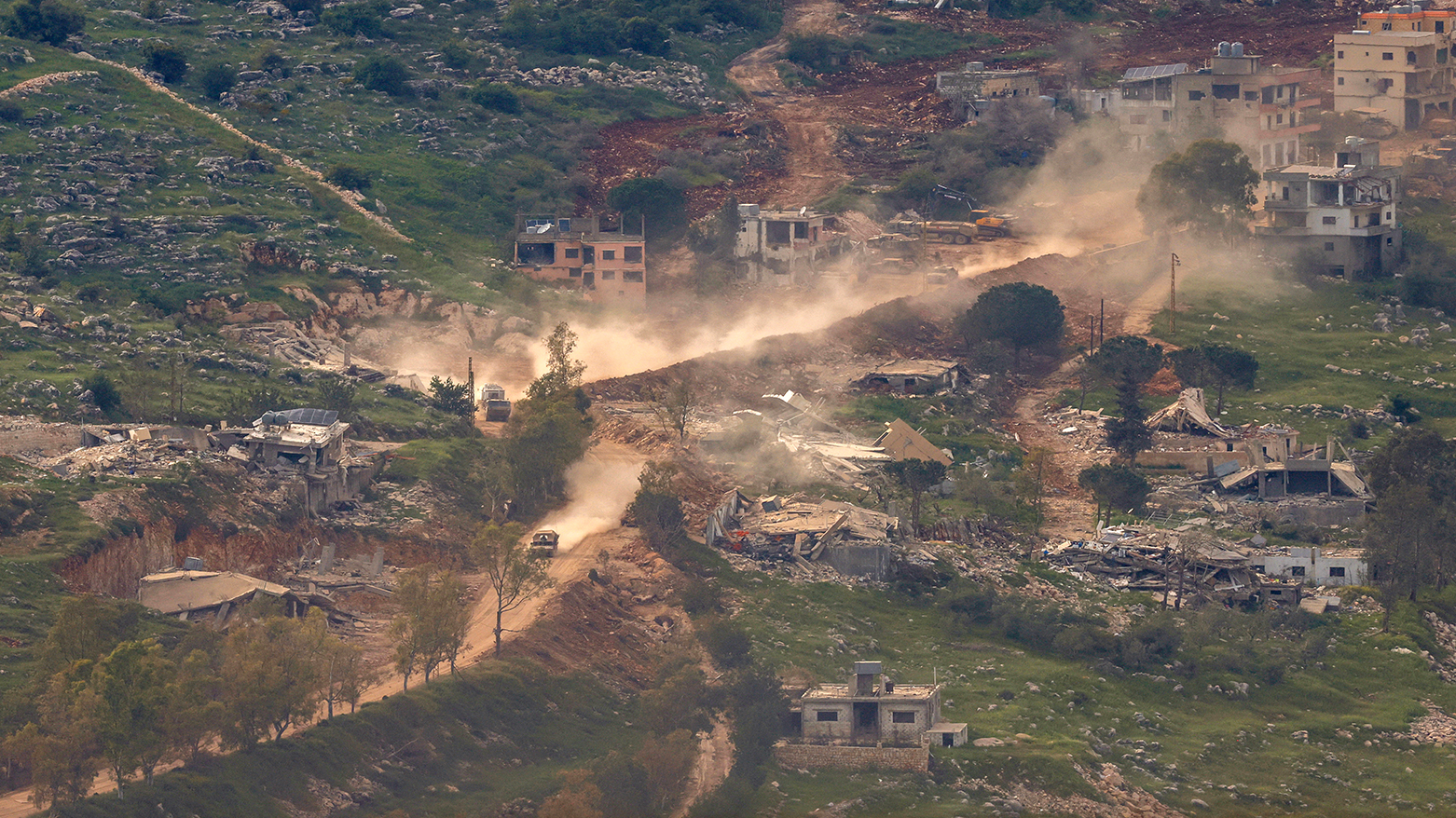
ERBIL (Kurdistan24) — Israeli Prime Minister Benjamin Netanyahu on Sunday accused Hezbollah of effectively “dismantling” the ceasefire agreed between Israel and Lebanon, as the Israeli military ordered evacuations in parts of southern Lebanon and warned of imminent action.
“It must be understood that Hezbollah’s violations are, in practice, dismantling the ceasefire,” Netanyahu said during a weekly cabinet meeting, signaling growing frustration in Tel Aviv over repeated incidents along the northern frontier.
The Israeli military announced it had instructed residents of seven villages south of the Litani River to evacuate, citing what it described as continued ceasefire breaches by Hezbollah.
In a statement posted on X, Israeli army spokesman Avichay Adraee said the military was “compelled to take decisive action” in response to the violations.
Lebanon’s state media reported that Israel had begun striking areas in the south following its evacuation warnings.
The developments point to a renewed risk of escalation along the Israel-Lebanon border, where tensions have remained high despite a recently renewed ceasefire intended to contain cross-border hostilities.
The truce, brokered with international mediation, was designed to prevent a broader conflict between Israel and Hezbollah, an Iran-backed armed group that wields significant political and military influence in Lebanon.
The agreement sought to reimpose calm following months of intermittent exchanges of fire, including rocket launches from Lebanese territory and retaliatory Israeli strikes.
Central to the arrangement is the area south of the Litani River, long considered a sensitive buffer zone under United Nations Interim Force in Lebanon monitoring. Previous understandings, including those following the 2006 Lebanon War, called for the withdrawal of Hezbollah fighters from this region, though enforcement has remained inconsistent.
Israeli officials have repeatedly accused Hezbollah of maintaining a covert military presence in the south, including weapons stockpiles and observation posts, in violation of international resolutions. Hezbollah, for its part, has framed its activities as defensive and part of its broader resistance posture against Israel.
Sunday’s evacuation order suggests Israel may be preparing for targeted military operations, raising concerns that the fragile ceasefire could collapse entirely.
Any escalation risks drawing in regional actors, particularly given Hezbollah’s close ties to Iran and the wider geopolitical tensions across the Middle East.
For now, the situation remains fluid, with both sides publicly committed to their positions but signaling little room for compromise. The coming days will likely determine whether the ceasefire framework can hold or if the border will slide back toward open confrontation.