Rare Bird Species Spotted in Kurdistan for the First Time
New avian species added to official bird list through verified observation.
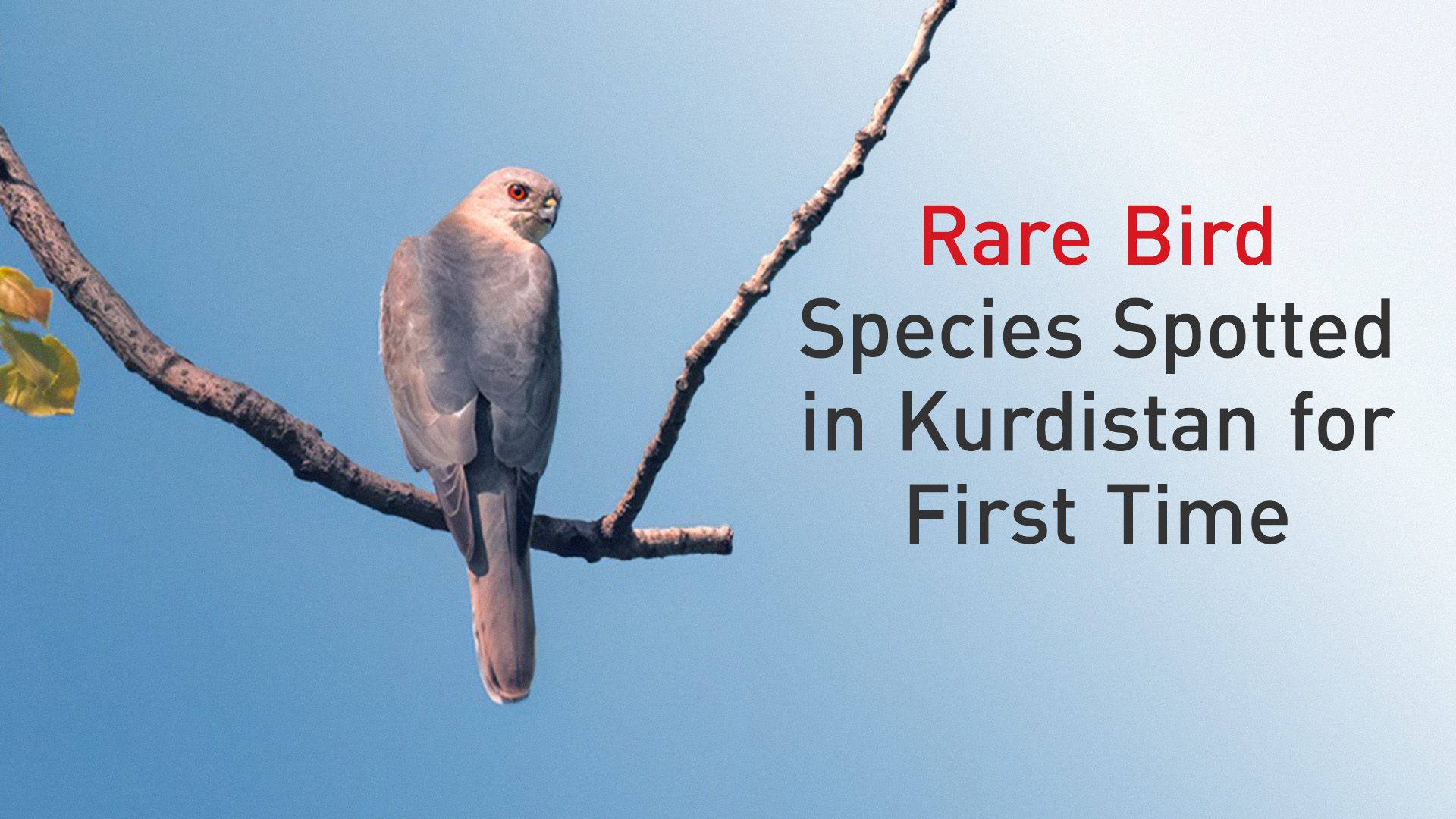
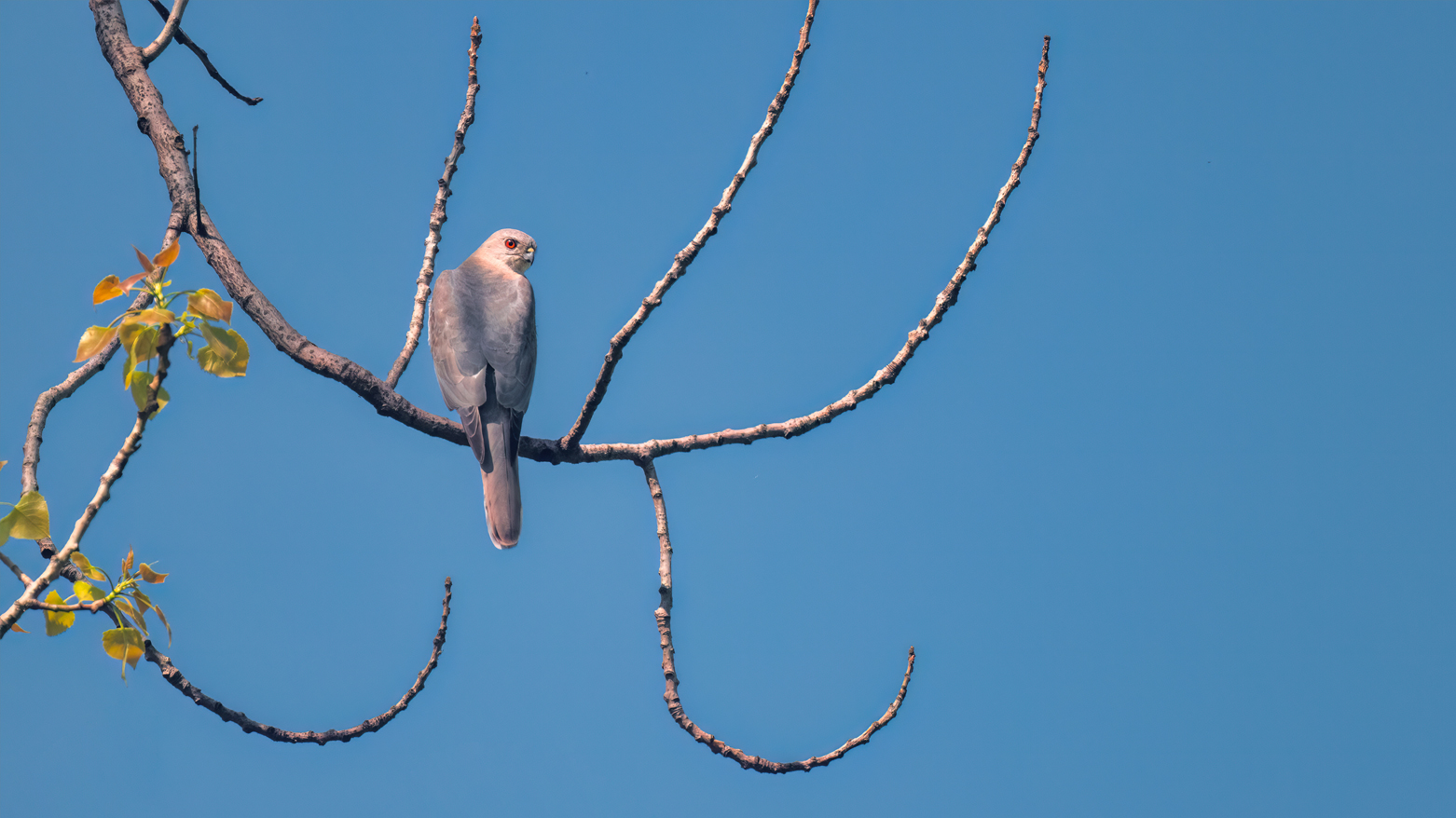
ERBIL (Kurdistan24) – A Kurdish wildlife photographer has documented the first recorded sighting of the Shikra, scientifically known as Tachyspiza badia (formerly Accipiter badius), in the Kurdistan Region, adding the species to the official bird list as a new record.
The observation occurred on Tuesday, and was confirmed through expert consultation before formal submission to international bodies including the United Nations for inclusion in regional avian inventories.
The sighting represents a documented expansion in recorded avian biodiversity for the Kurdistan Region and Iraq.
It provides verified data on species distribution in an area where wildlife monitoring serves as a key indicator of habitat suitability and ecological conditions.
The Shikra, a small raptor in the Accipitridae family, is native to warm regions of Asia and parts of Africa and is largely resident across much of its extensive range, though the northern subspecies cenchroides exhibits migratory behavior, moving south in winter.
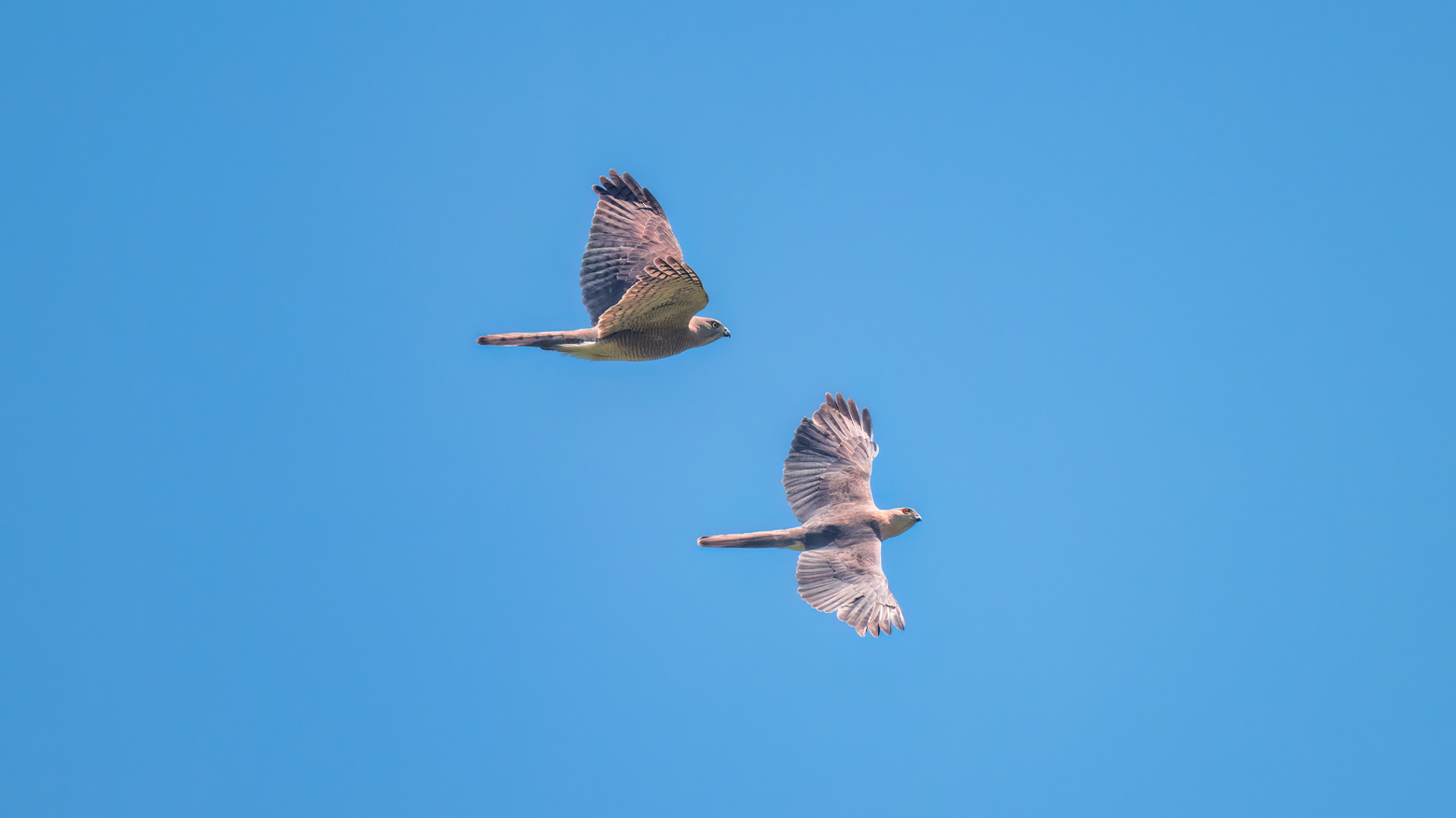
First Record of Shikra in Kurdistan
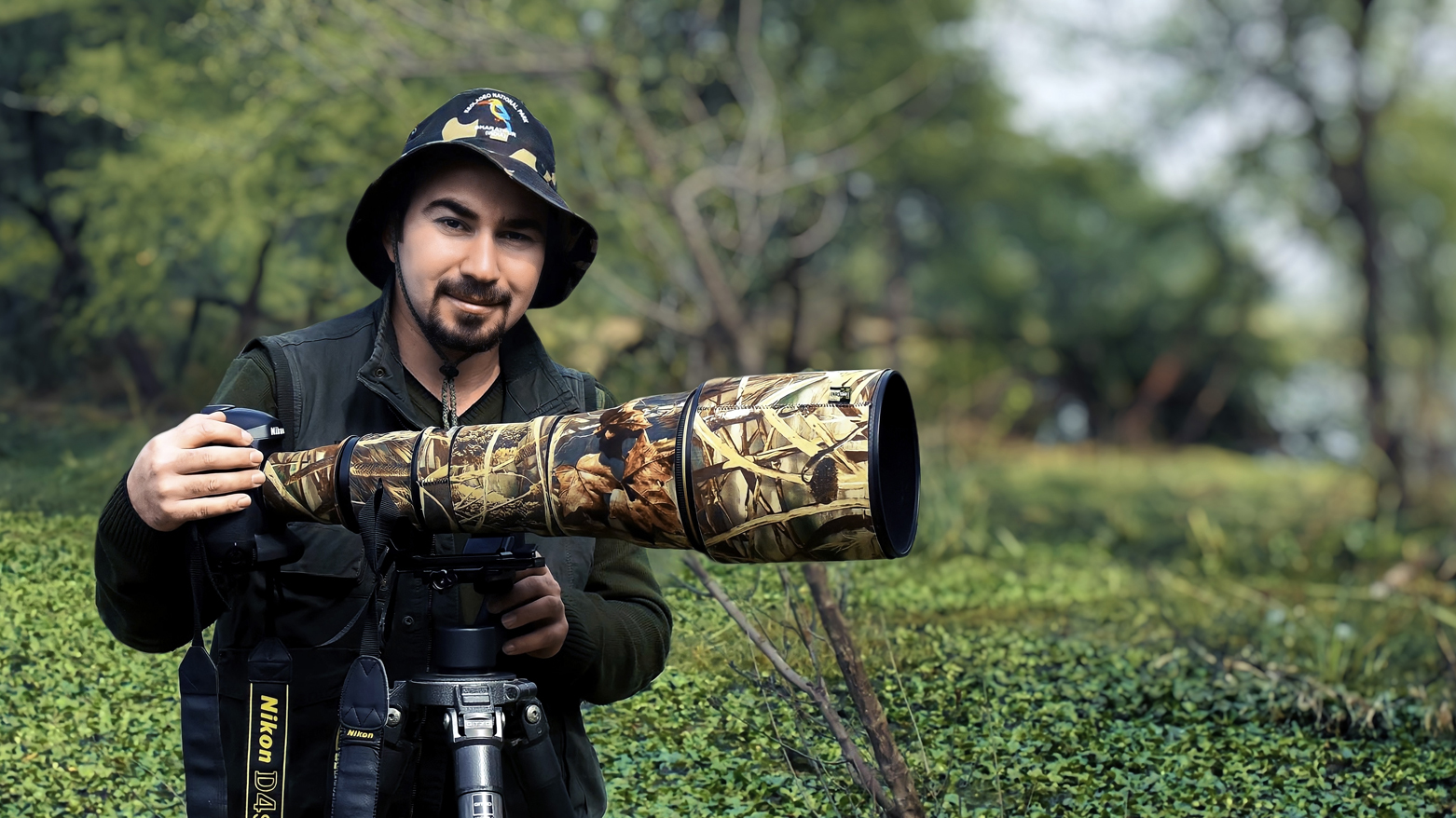
Sabr Dri, a photographer specializing in wild birds in Kurdistan, first encountered the bird and initially mistook it for the similar Eurasian Sparrowhawk due to their close resemblance.
Differentiation was achieved through detailed examination of eye color and other subtle morphological traits.
After photographing the individual and consulting with biodiversity expert Dr. Korsh Ararat and an Italian ornithologist, the identification was verified as Tachyspiza badia.
Recent molecular phylogenetic analyses have confirmed the polyphyly of the genus Accipiter, resulting in the resurrection of Tachyspiza Kaup, 1844 to accommodate the Shikra and related species.
Six subspecies are currently recognized.
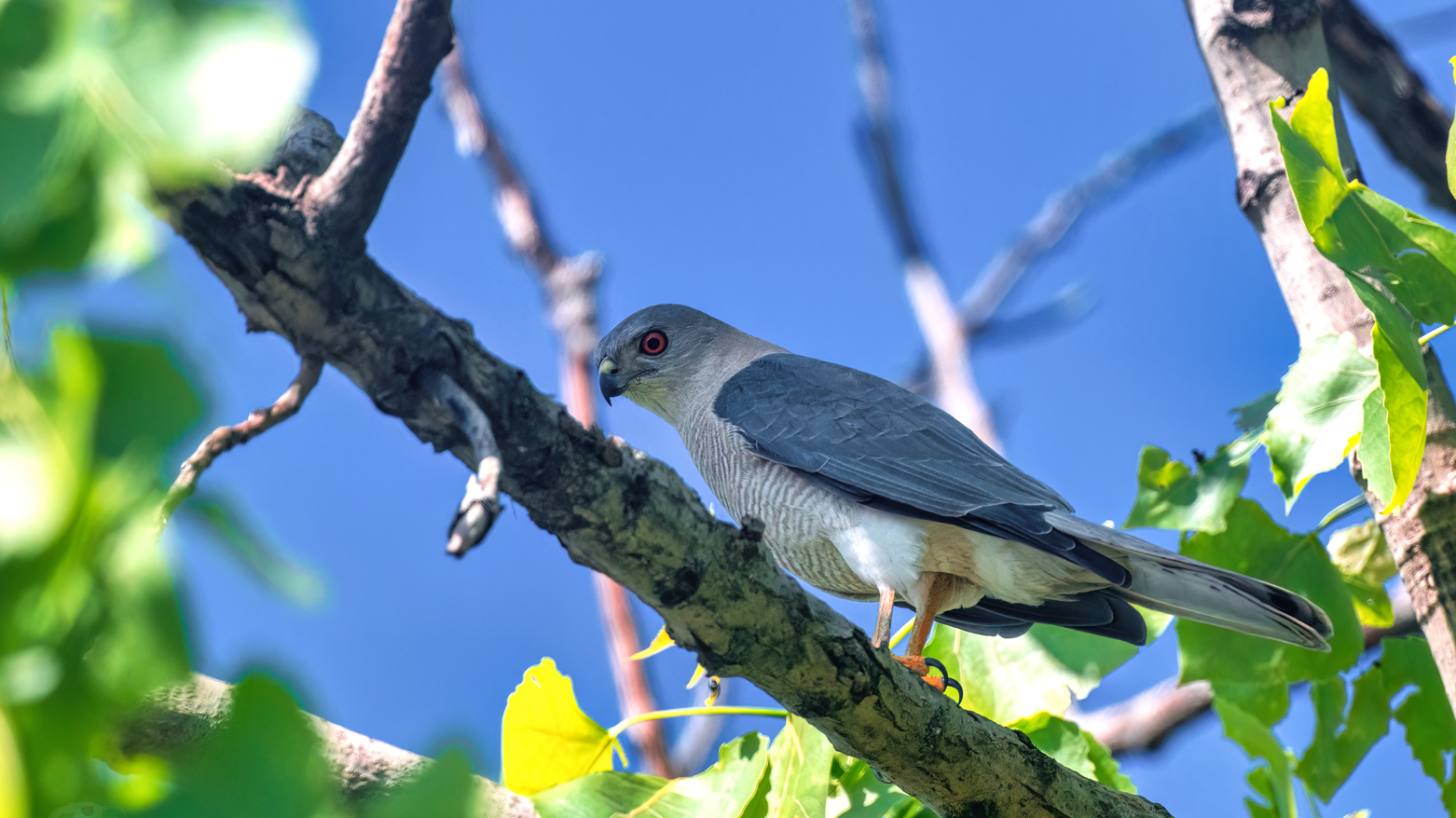
Adults measure 26–30 cm in length, with wingspans of 48–56 cm in males and 56–68 cm in females, and body mass ranging from 100–266 g.
Males display slate-grey upperparts, whitish underparts with fine rufous barring, a red iris, and a narrow dark mesial stripe on the throat; females are larger with yellowish-orange irides and heavier barring.
Juveniles appear browner overall with streaked underparts and a more prominently banded tail.
In flight, the species shows short, rounded wings and a long, narrow, barred tail adapted for agile maneuvering.
Its call consists of a sharp two-note "pee-wee" or rapid "kik-ki" series, according to research by Birds of the World.
The Shikra occupies open, dry habitats with trees, including deciduous woodland, savanna, plantations, gardens, and urban areas, while avoiding dense closed-canopy forests, the research suggested.
Its elevational range extends from sea level to approximately 2,000 m. As an opportunistic ambush hunter, it perches concealed before dashing out to seize prey with its talons.
Its diet consists primarily of lizards, small birds, rodents, large insects such as termites and grasshoppers, frogs, and occasionally bats or carrion.
Breeding occurs mainly between March and June in South Asia, with pairs constructing a small platform nest of twigs in tree forks, as detailed in the research.
The female typically lays 2–4 pale bluish-grey eggs, which she incubates for 18–21 days while the male provisions food; young fledge after approximately 30 days.
Lifespan in the wild is 10–15 years.
Globally, the Shikra is classified as Least Concern by the IUCN, with a stable population estimated at 500,000–999,999 mature individuals across a range exceeding 66 million km².
It demonstrates tolerance of human-modified landscapes and exerts top-down control on small vertebrate and insect populations.
Localized risks include pesticide exposure and minor habitat degradation in some areas, as well as limited illegal trade, but no major threats drive widespread declines.
Regional Surge in Migratory Bird Activity
The Shikra record coincides with heightened avian activity across the Kurdistan Region, illustrated by the recent influx of greater flamingos (Phoenicopterus roseus) in the Raparin area.
High rainfall this year has revitalized springs and water sources, elevating water levels throughout Kurdistan and creating new stopover habitats during migration.
In Darbandi Ranya, flamingos have been observed for the first time in significant numbers, gathering in flocks at Darbandi Ranya and Dukan Lake for several days.
Local observers noted the birds' presence even during rainfall, drawing public interest as people watched from vehicles.
Flamingos are semi-migratory and can be found across most continents. They migrate annually from the African continent toward India and southern Asia, depending on seasonal conditions.
Flamingos form social flocks that can number up to 1,000 individuals.
They are peaceful, non-aggressive birds that live in family-like groups. Unique traits include sleeping on one leg.
In flight, their wingspan reaches approximately 2 m, and they can cover 50 km per hour.
Body height ranges from 1 to 1.5 m.
In Kurdish, the species is known locally as "Red Crane" (Qulinga Sur) or "Red Goose" (Qaze Sur), names reflecting its distinctive pink coloration.
The common name "flamingo" derives from Spanish, referring to their group flight patterns resembling a slow dance.
The appearance of flamingos has contributed to a broader surge in migratory bird sightings, underscoring the ecological role of revitalized wetlands as temporary habitats amid seasonal movements.
Such events provide observable data points for tracking regional migration patterns and habitat conditions.
Environmental Pressures on Migratory Birds in Iraq
While migratory activity increases in northern areas, flamingos and other species face documented threats farther south.
Every year, as temperatures drop across Europe and the Caspian Sea, thousands of flamingos migrate to Iraq's marshes and coastal areas seeking calm waters and winter habitat.
In southern Iraq, however, illegal hunting continues despite legal protections.
Iraqi law prohibits the hunting of migratory birds, with penalties of three to seven years in prison.
Authorities have banned the sale of flamingos and other protected species in local markets following pressure from environmental organizations, reducing open trade in some locations. Former bird sellers have reported ceasing public sales after the restrictions took effect.
Enforcement remains uneven. In Basra province, the village of Aldir has historically served as a hub for migratory bird trade.
Although hundreds of flamingos were once displayed openly, stricter oversight has driven activity underground, with some captured birds reportedly ending up in restaurants.
Environmental activists highlight destructive hunting practices, noting that nets can capture around 1,000 flamingos at once, compared to roughly 20 taken with weapons over two days.
Bassam Lami, president of the Mazra'a Organization for Environmental Protection, told Kurdistan24 that serious violations against migratory birds, particularly flamingos, undermine international conservation efforts and damage biodiversity in the marshes.
"Preserving the flamingo is about safeguarding Iraq's natural heritage and protecting the global identity of wildlife," Lami stated, calling for stronger enforcement and public awareness.
The contrast between expanding stopover opportunities in the north and persistent pressures in the south illustrates the varying habitat conditions and conservation challenges affecting shared migratory populations across Iraq.
Scientific and Monitoring Context
Wildlife photography and expert verification, as demonstrated in the Shikra case, play a central role in maintaining accurate species inventories.
The process of distinguishing the Shikra from morphologically similar raptors through field observation, photography, and specialist review exemplifies standard protocols in biodiversity documentation.
Submission of the record to UN channels ensures integration into national and international databases, supporting long-term monitoring of distribution shifts.
The Shikra's adaptability to open wooded habitats and its position as a predator contribute to ecosystem balance by regulating populations of small vertebrates and insects.
Flamingos, as filter-feeders in wetland environments, similarly serve as indicators of water quality and wetland health during migration.
Documented sightings in both cases add verifiable data to regional ecological records without implying broader causal interpretations.
Ongoing efforts to catalog such observations remain essential for understanding avian presence in relation to seasonal water availability and habitat features.
The Kurdistan Region's varied landscapes, from revitalized water bodies to forested areas, continue to support diverse species, including both resident and migratory forms.
The first confirmed record of the Shikra in Kurdistan, alongside increased migratory bird activity, highlights the region's role in supporting avian biodiversity.
Continued monitoring provides factual baseline data for assessing habitat conditions and species distributions across Iraq.