UAE Official Slams Gulf Response to Iran Attacks as “Historically Weak”
Bahrain strips citizenship from dozens amid widening regional crackdown and security fears
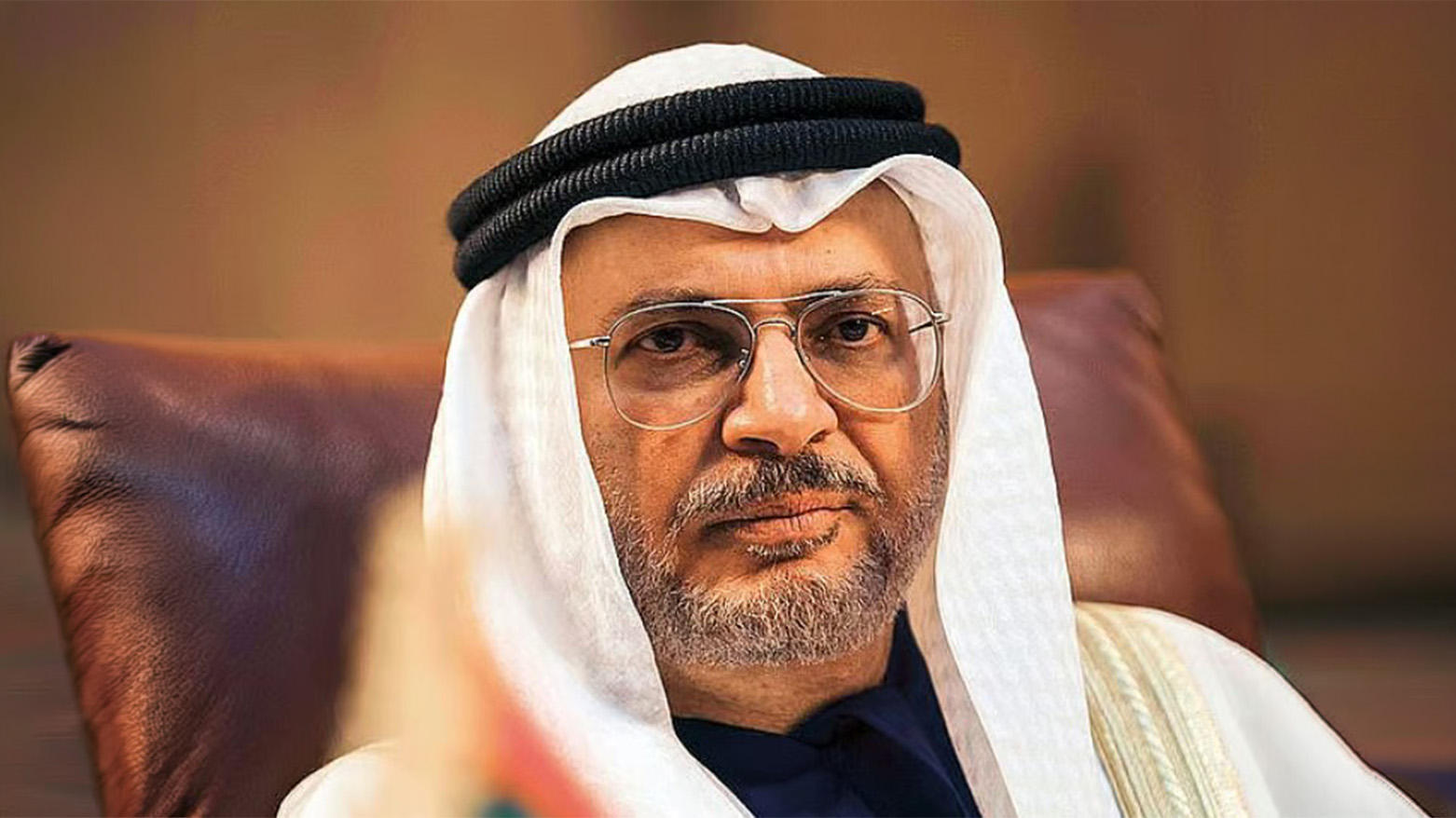
ERBIL (Kurdistan24) — A senior United Arab Emirates official on Monday sharply criticized Gulf states for what he described as an inadequate response to Iranian retaliatory attacks following the outbreak of the regional war earlier this year.
Anwar Gargash, a diplomatic adviser to the UAE president, said the Gulf Cooperation Council (GCC) failed to mount a strong political and military reaction despite the scale of the threat posed by Iran’s missile and drone strikes.
“The GCC’s stance was the weakest historically, considering the nature of the attack and the threat it posed to everyone,” Gargash said during a conference in Dubai, expressing surprise at what he viewed as a lack of unified action among the six-member bloc.
The GCC—comprising Bahrain, Kuwait, Oman, Qatar, Saudi Arabia, and the United Arab Emirates—came under direct attack after Iran launched waves of missiles and drones in response to U.S. and Israeli strikes on Iranian territory beginning on February 28.
While Gargash acknowledged logistical coordination among Gulf allies during the crisis, he criticized what he described as a limited strategic response. He added that while a subdued reaction might have been expected from the Arab League, it was disappointing coming from the GCC.
The UAE, one of the most heavily targeted countries during the escalation, has since adopted a more assertive posture toward Tehran.
Gargash said Gulf states had long pursued a policy of containment toward Iran through diplomacy, trade, and regional partnerships, but concluded that “these policies have failed miserably” and now require a comprehensive reassessment.
The remarks come as tensions remain high despite a fragile ceasefire reached on April 8 between Washington and Tehran, halting weeks of cross-border attacks that targeted U.S. military bases and critical infrastructure across the Gulf.
In parallel developments, Bahrain announced sweeping domestic measures tied to the conflict. Authorities said they had revoked the citizenship of 69 individuals accused of supporting Iran, marking what rights groups describe as the first mass revocation in years.
Bahrain’s interior ministry stated that those affected, including dependents, were found to have “supported hostile Iranian acts,” including alleged coordination with foreign entities.
The Bahrain Institute for Rights and Democracy described the move as the first mass revocation of citizenship since 2019, raising concerns about due process and transparency.
It remains unclear whether those stripped of citizenship have been detained or whether they hold alternative nationalities, according to the group.
The crackdown reflects growing anxiety among Gulf states over potential Iranian influence and infiltration. Countries including Qatar, Kuwait, and the UAE have intensified actions against networks they allege are linked to Tehran.
In Bahrain, the conflict has had a particularly acute domestic impact. The island kingdom, ruled by a Sunni monarchy but home to a significant Shia population, has long faced internal tensions. The recent escalation has heightened security measures and triggered arrests of dozens of individuals.
Human Rights Watch last month expressed alarm over the detentions, noting that some individuals were accused of treason while others were arrested for participating in protests.
As Gulf states reassess their regional strategies in the aftermath of the war, Gargash’s remarks highlight growing divisions over how best to respond to Iran and manage the broader security challenges facing the region.