Iran Announces Closure of Strait of Hormuz from Arabian Sea Side Amid Escalating Tensions
Tehran warns of military response as tensions escalate with Washington and global energy routes face disruption
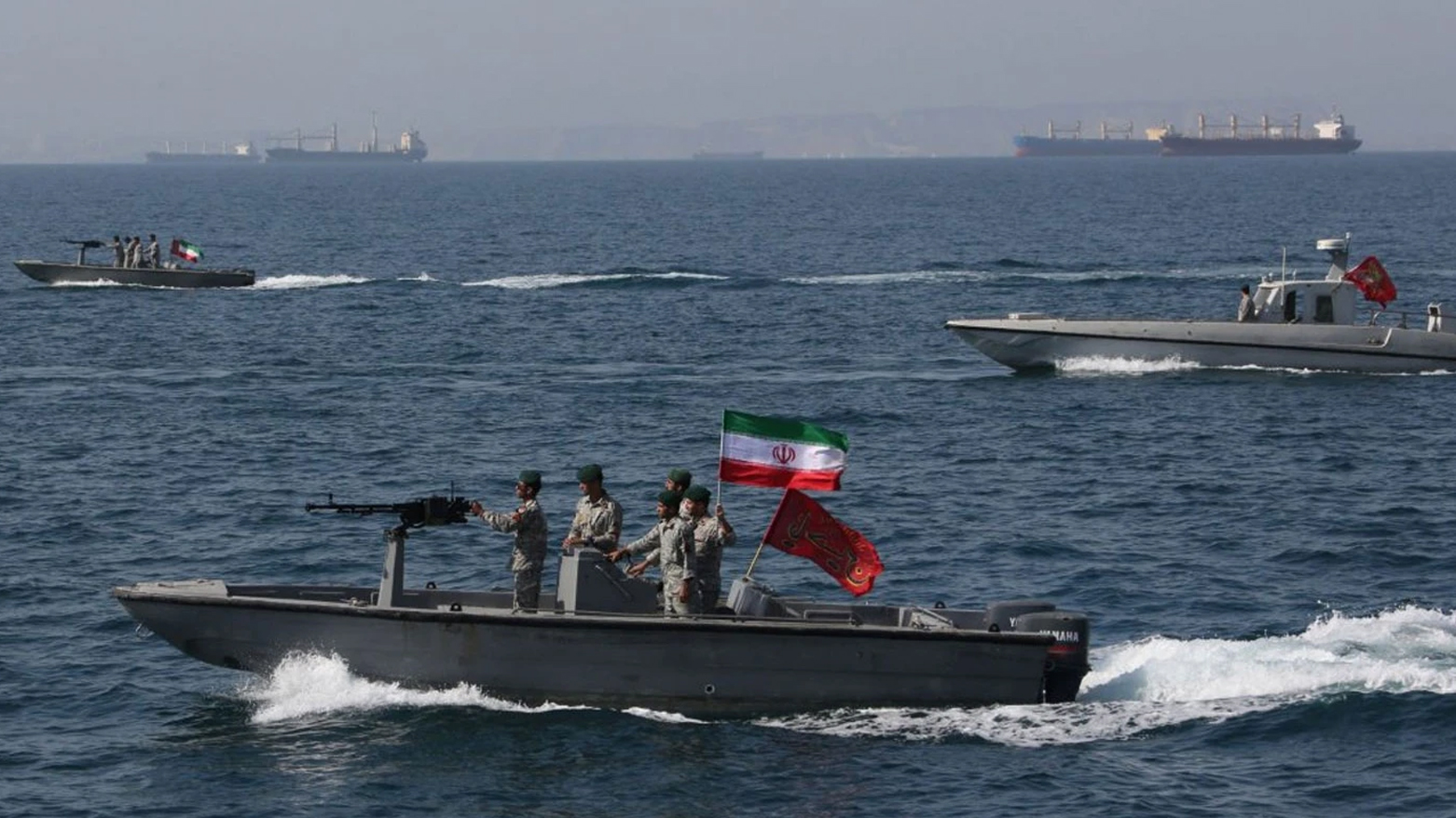
ERBIL (Kurdistan24) - Shahram Irani, Commander of the Iranian Navy, announced on early Thursday, that Iran has closed the Strait of Hormuz from the Arabian Sea side, warning that any further escalation by adversaries would be met with military action.
In a statement, Shahram Irani said Iranian naval vessels continue to move regularly toward the country’s ports, adding that adversaries would soon witness new weapons capabilities.
“We have closed the Strait of Hormuz from the Arabian Sea side, and if the enemy advances further, we will respond with military action,” he stressed.
On the other side, Donald Trump stated that Iran must yield under mounting economic pressure, indicating that while Tehran has taken steps in negotiations, they remain insufficient.
Trump described the naval blockade as more effective than bombing in forcing Iran to return to the negotiating table and agree to a deal addressing Washington’s concerns over its nuclear program.
He had previously imposed a blockade on the Strait of Hormuz on April 13, 2026, following the collapse of talks in Islamabad, aiming to cut transit revenues and prevent Iran’s oil exports.
Since the outbreak of war against Iran on Feb. 28, 2026, the Strait of Hormuz has effectively been closed, disrupting global shipments of crude oil and gas, particularly to Asian and European markets, and pushing importing countries to seek alternative sources.
Iran had earlier indicated that only “friendly countries” — including Russia, India, Iraq, China, and Pakistan — would be allowed to pass through the strait.
The announcement comes amid rising maritime tensions, including incidents involving vessel seizures and military deployments in the region, underscoring the growing risks to international shipping and energy security.
As both sides escalate pressure through military and economic means, the future of one of the world’s most vital waterways remains uncertain, with far-reaching implications for global energy stability.