Trump Signals Possible US Troop Reduction in Germany Amid NATO Tensions and Iran War Dispute
Washington links military posture review to growing rift with European allies over Iran conflict and security burden-sharing
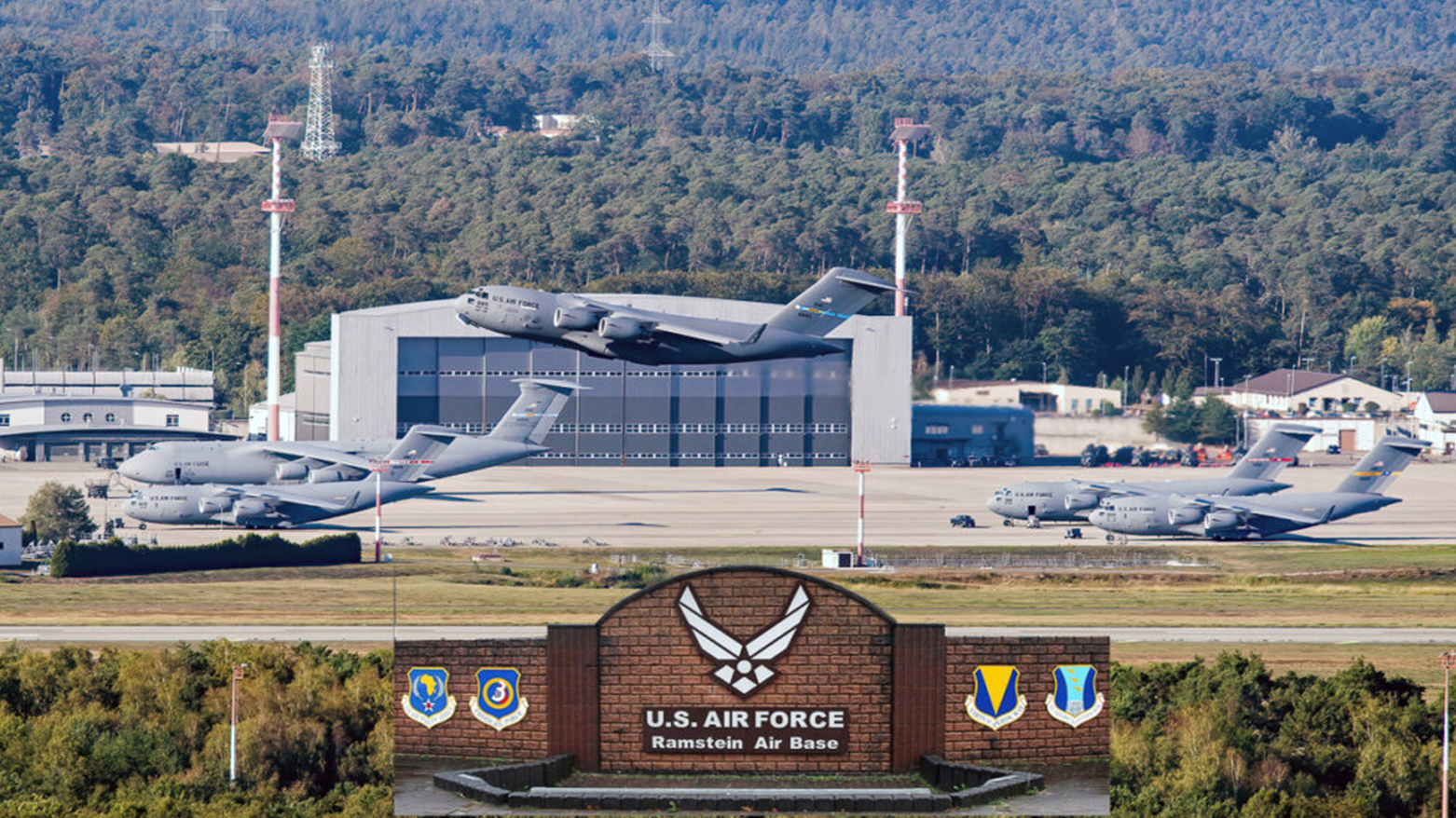
ERBIL (Kurdistan24) — U.S. President Donald Trump said Wednesday that the United States is considering reducing its troop presence in Germany, escalating tensions with European allies amid an ongoing dispute over the Iran conflict and broader disagreements within NATO.
“The United States is studying and reviewing the possible reduction of Troops in Germany, with a determination to be made over the next short period of time,” Trump wrote on his Truth Social platform.
According to the Congressional Research Service, the United States maintained more than 35,000 troops in Germany in 2024, though German media estimates suggest the current figure may be closer to 50,000, reflecting a significant American military footprint in Europe.
Trump has repeatedly floated the idea of reducing US troop levels in Germany and other NATO allies during both of his presidencies, often tying such proposals to criticism that European states are not contributing sufficiently to collective defense commitments.
The latest warning comes as Washington intensifies pressure on allies over their stance on the ongoing US-Israel confrontation with Iran.
US officials have signaled frustration with what they view as insufficient European backing for military and diplomatic initiatives, including proposals related to securing maritime routes in the Strait of Hormuz—a critical chokepoint for global oil shipments.
Hours before Trump’s announcement, US Secretary of State Marco Rubio held a phone call with German Foreign Minister Johann Wadephul, during which they discussed Iran and the importance of safeguarding freedom of navigation in the Strait of Hormuz, according to the US State Department.
The diplomatic friction has also been fueled by comments from German Chancellor Friedrich Merz, who recently suggested that Iran was “humiliating” Washington in negotiations—remarks that drew a sharp rebuke from Trump.
“He thinks it’s OK for Iran to have a Nuclear Weapon. He doesn’t know what he’s talking about!” Trump said in response earlier this week.
Despite the escalating rhetoric, Merz moved to downplay the dispute on Wednesday, stressing that relations with the United States remain stable.
“From my point of view, the personal relationship between the American president and myself remains just as good as before,” he told reporters in Berlin.
However, he acknowledged that he has consistently expressed skepticism about the US-Israeli war on Iran and warned that Europe is already bearing significant economic and security consequences from the conflict.
“We in Germany and in Europe are suffering considerably from the consequences,” Merz said.
The troop review is part of a wider pattern of pressure from Washington on allies seen as not sufficiently aligned with US policy on Iran. Reports have suggested that the administration has also explored measures targeting other NATO members, including discussions about suspending Spain from the alliance, as well as revisiting aspects of Britain’s overseas territorial arrangements, including the Falkland Islands.
While the White House later reiterated neutrality on sovereignty disputes over the Falklands—long contested between the United Kingdom and Argentina—the signals reflect a more transactional approach to alliance management amid heightened geopolitical tensions.
As the war involving the United States, Israel, and Iran continues to reverberate across global security structures, Washington’s latest statements suggest that military basing arrangements in Europe could increasingly become leverage in broader diplomatic and strategic disputes.