Tehran Endorses Iraq's Next Prime Minister Candidate
Tehran's foreign minister publicly endorsed Ali Falah Zaidi's nomination for prime minister and reiterated Iran's commitment to Iraqi sovereignty
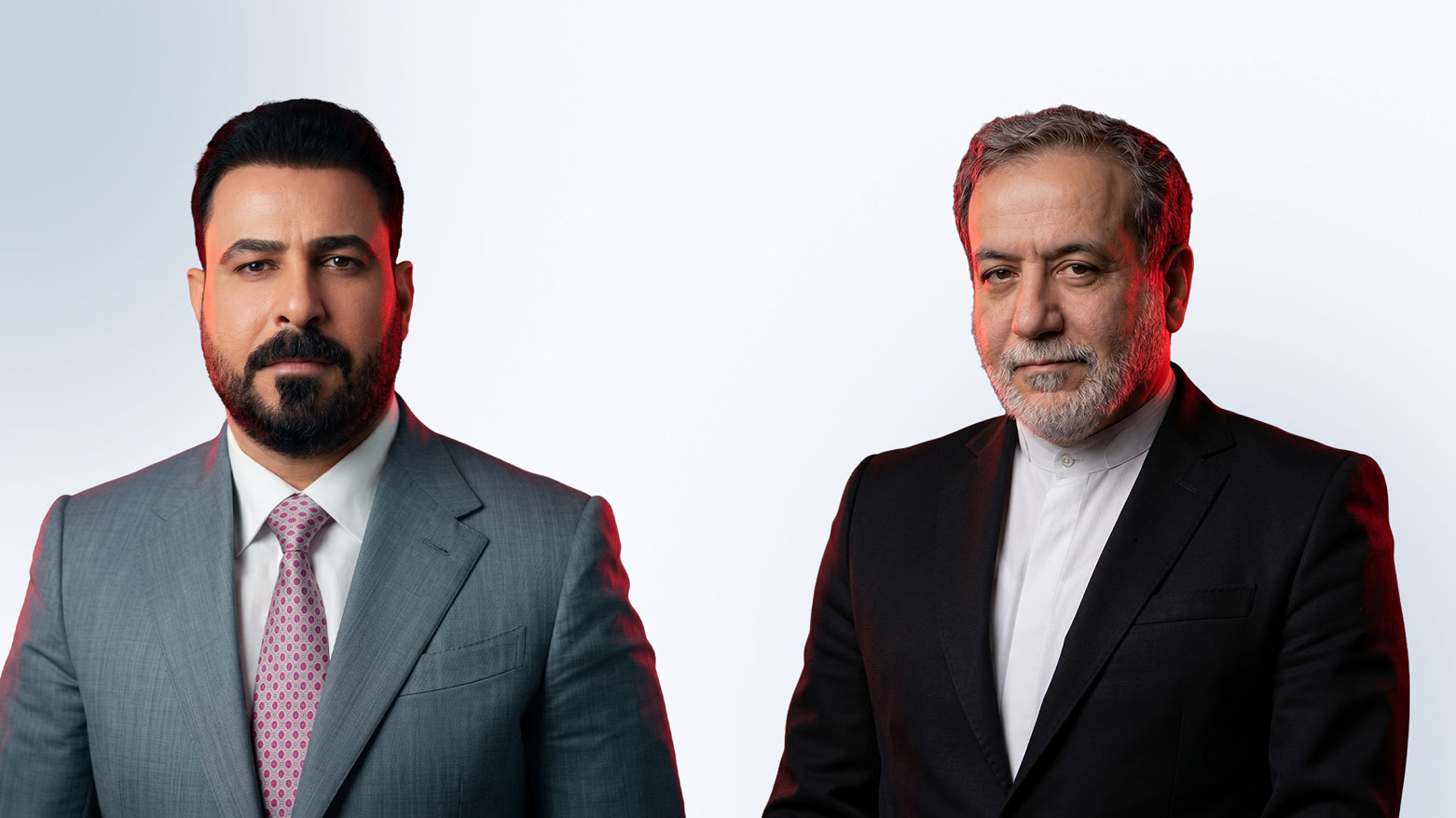
ERBIL (Kurdistan24) - Iran moved on two fronts simultaneously on Friday: publicly endorsing Iraq's next prime ministerial candidate and reiterating its commitment to Iraqi sovereignty, as the two neighbors worked to keep diplomatic lines open amid the region's broader efforts to sustain a ceasefire between Tehran and Washington.
Iranian Foreign Minister Abbas Araghchi took to his official account on X to welcome the Coordination Framework's nomination of Ali Falah Zaidi for the post of Iraqi prime minister, expressing hope for Zaidi's success in forming a government and serving the Iraqi people.
"I welcome the Coordination Framework's decision regarding the candidacy of Ali Falah Zaidi for the post of Iraqi prime minister," Araghchi wrote on May 1, "and I wish him success in forming a government and serving the Iraqi people."
Araghchi simultaneously underscored Iran's respect for "Iraqi sovereignty," pledging support for "political stability, development, and the strengthening of cooperation in a manner that serves the interests of both nations."
The Iranian endorsement came days after Iraq's Coordination Framework — the umbrella alliance of Shia political factions — formally agreed on Zaidi as their sole candidate for the prime ministerial post.
On the evening of Monday, Apr. 27, 2026, the Framework's constituent parties reached a consensus, officially putting Zaidi forward as their unified nominee.
The swift public backing from Tehran added an international dimension to what had until then been a domestic political development, reflecting the depth of ties between Iran and the Shia-led political blocs that dominate Baghdad's parliamentary landscape.
Araghchi's endorsement of Zaidi arrived on the same day the Iranian minister held a phone call with Iraqi Foreign Minister Fuad Hussein — a conversation that covered both the state of ongoing US-Iran negotiations and Iraq's mounting toll from the regional conflict.
During the call, Araghchi briefed Hussein on the latest developments in negotiations between Washington and Tehran, conducted through Pakistani mediation, outlining the messages exchanged, as well as the areas of agreement and disagreement between the two sides.
The Iranian minister reiterated Tehran's desire to reach a "positive outcome" and described steps taken to advance the negotiation process.
Hussein, for his part, reaffirmed Iraq's consistent support for diplomacy and the importance of reaching a final resolution that ends the war.
He also delivered a pointed warning: the prolongation of the conflict has been a primary driver of regional instability, and Iraq has borne some of its heaviest consequences.
The diplomatic exchanges unfolded against the backdrop of a conflict that began on Feb. 28, 2026, when the United States and Israel launched military operations against Iran.
Tehran responded with strikes targeting Israel and what it described as American interests in the region.
A temporary ceasefire was brokered on Apr. 8 through Pakistani mediation, followed by a round of talks in Pakistan on Apr. 11 that failed to produce a durable agreement.
On Apr. 21, US President Donald Trump agreed to extend the ceasefire at the request of Pakistani mediators, pending Iran's submission of a formal proposal on the negotiations, without a fixed deadline.
Iraq, which shares a long border and deep economic ties with Iran, has consistently positioned itself as a proponent of de-escalation — while warning that it is among the countries paying the steepest price for every day the conflict drags on.
With a new prime minister potentially on the horizon and a ceasefire that remains provisional, Baghdad faces the dual challenge of stabilizing its own political transition while managing its role as a neighbor, mediator, and casualty of a war it did not start.