KRG Unveils Summer Water Plan as Major Projects Advance
Ari Ahmed, Director General of Water and Sewerage Directorate, said on Sunday that authorities have completed seasonal preparations to help ensure a stable water supply during the peak summer months.
ERBIL (Kurdistan24) — The Kurdistan Regional Government (KRG) has outlined its summer water strategy, highlighting progress on several major infrastructure projects aimed at reducing shortages across the region.
Ari Ahmed, Director General of Water and Sewerage Directorate, said on Sunday that authorities have completed seasonal preparations to help ensure a stable water supply during the peak summer months.
“All departments have made the necessary preparations to minimize water shortages this summer,” Ahmed told Kurdistan24.
Among the most notable initiatives, Ahmed highlighted the Goptapa water project, which is currently 35 percent complete and is expected to be finalized by the end of the year, depending on financial stability. The project aims to alleviate water shortages in Chamchamal city and the surrounding areas.
He added that the Barzan water project will also be completed this year, providing water access to 51 villages and helping address shortages in rural communities.
Meanwhile, the third Sulaimani–Dukan water pipeline project remains in the design phase but is expected to move into implementation soon. With an estimated cost exceeding $423 million, the project is considered one of the region’s most significant water infrastructure efforts, aimed at resolving long-standing shortages in Sulaimani city.
The KRG’s summer plan comes as officials report strong progress in water resource management, following a year of heavy rainfall and increased storage capacity.
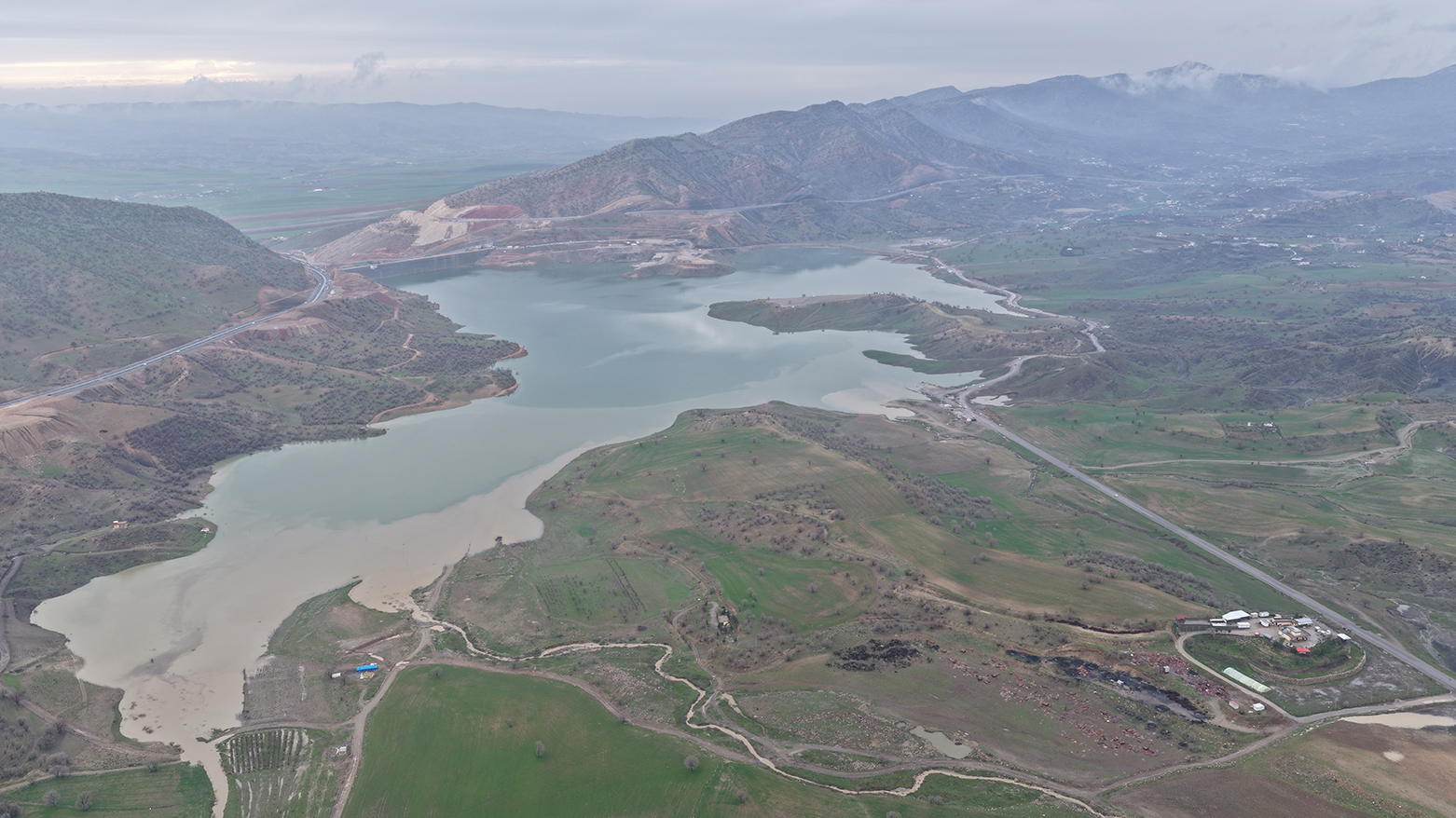
Authorities say more than 11 billion cubic meters of water have been collected across the region’s dams and reservoirs, many of which are now at or near full capacity. This is the result of a strategy focused on capturing seasonal rainfall through a network of large dams and smaller water ponds.
Officials state that these reserves will play a key role in supporting agriculture, replenishing groundwater, and ensuring drinking water supply throughout the year. In a region often affected by climate variability and drought risks, the ability to store winter rainfall remains critical to maintaining water security during the dry summer months.