Iran Expected to Respond Thursday to U.S. Proposal as Washington Pushes for Deal to End War
Draft framework would declare end to conflict and open 30-day negotiations on nuclear issues, sanctions, and Strait of Hormuz security
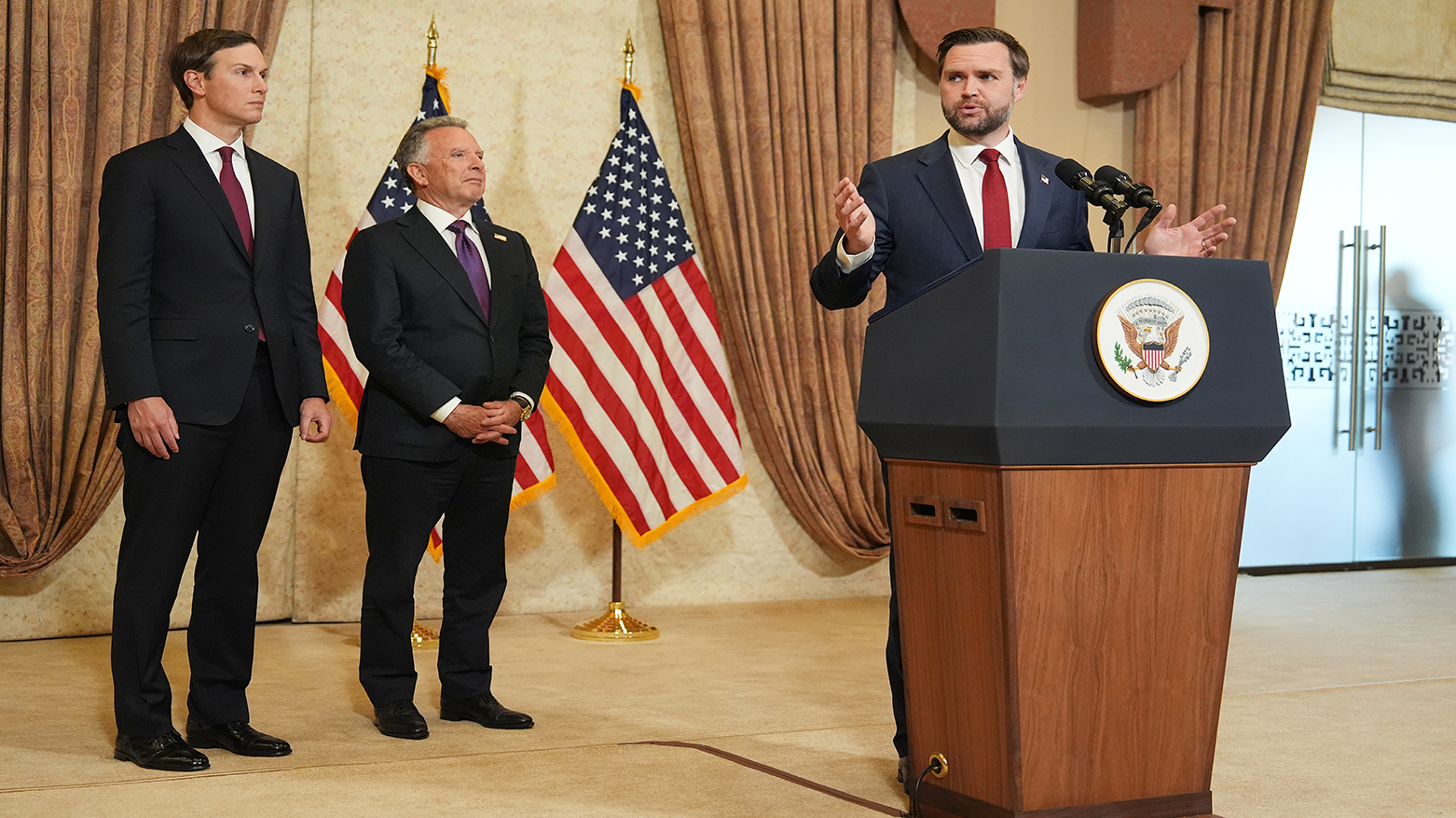
ERBIL (Kurdistan24) — Iran is expected to respond on Thursday to a U.S. proposal aimed at ending the ongoing conflict between the two countries, as diplomatic efforts intensify amid continued military tensions in the Strait of Hormuz.
Sources familiar with the negotiations told CNN that Washington and Tehran are moving closer to agreeing on a short memorandum that could formally halt the war and launch a new phase of talks focused on unresolved disputes, including Iran’s nuclear program, sanctions relief, and maritime security.
The renewed diplomatic momentum comes after U.S. President Donald Trump said Wednesday that the United States had held “very good talks” with Iran over the previous 24 hours, while also cautioning that previous negotiations had collapsed at the last minute.
According to regional sources cited by CNN, the White House received encouraging feedback from Pakistani mediators earlier this week indicating that Iranian officials were moving toward a compromise, although some Trump administration officials reportedly remained skeptical about the prospects of a final agreement.
The proposed framework reportedly consists of a one-page document declaring an end to the conflict and initiating a 30-day negotiation period to address key sticking points. These include Iran’s uranium enrichment activities, the release of frozen Iranian assets, and future security arrangements in the Strait of Hormuz, one of the world’s most strategically important oil shipping lanes.
Sources familiar with the discussions said the draft proposal includes a possible moratorium on Iranian uranium enrichment for a period exceeding 10 years. Earlier U.S. proposals had reportedly demanded a 20-year suspension.
The plan would also require Tehran to transfer its stockpile of highly enriched uranium outside the country, although negotiators are still debating where the material would ultimately be sent.
Trump told PBS News on Wednesday that a final deal could involve Iran shipping the uranium to the United States and pledging not to operate underground nuclear facilities.
However, that proposal has previously proven contentious. Regional sources said the idea contributed to the collapse of talks last month between U.S. Vice President JD Vance and Iranian negotiators in Pakistan.
Iranian officials confirmed that Tehran is still reviewing the latest U.S. proposal. Foreign Ministry spokesperson Esmaeil Baghaei told Iranian media outlets that Iran would communicate its final position to Pakistani mediators after completing its internal assessment.
“The U.S. plan and proposal are still under review by Iran, and after finalizing its viewpoints, Iran will convey them to the Pakistani side,” Baghaei told the Iranian Student News Agency (ISNA).
While diplomatic contacts continue, tensions at sea remain elevated. On Wednesday, the U.S. military reportedly fired on an Iranian-flagged tanker heading toward an Iranian port as part of Washington’s maritime blockade operations.
The incident occurred hours after Tehran announced the creation of a new body tasked with overseeing traffic through the Strait of Hormuz, a move viewed as an effort to formalize Iranian control over the strategic waterway despite repeated U.S. warnings.
The developments followed Trump’s decision earlier this week to pause “Project Freedom,” an operation designed to guide stranded commercial vessels through the strait. U.S. officials said the move reflected optimism generated by recent diplomatic progress.
The administration had earlier declared the completion of “Operation Epic Fury,” with Secretary of State Marco Rubio saying Washington’s primary focus had shifted toward reopening the strait and securing a diplomatic resolution.
Regional sources told CNN that increased U.S. military pressure, including the enforcement of maritime operations, strengthened the position of Iranian hardliners and complicated efforts by moderates within Tehran to advance negotiations.
Despite the renewed diplomatic push, Trump continued to combine optimism with threats of further military escalation. In comments to PBS News, the president said he believed a deal was possible but acknowledged previous disappointments.
“Yeah, I think so, but I felt that way before with them, so we’ll see what happens,” Trump said.
Earlier Wednesday, Trump also warned on Truth Social that if Tehran failed to reach an agreement, “the bombing starts,” adding that future strikes would be at a “higher level and intensity” than previous attacks.
Before the ceasefire announcement, senior Trump administration officials had hoped to finalize a broader framework covering several major issues, including Iran suspending nuclear enrichment activities, easing restrictions in the Strait of Hormuz, and the United States releasing billions of dollars in frozen Iranian assets while easing sanctions on Tehran.
Those efforts had been led by Vance, special envoy Steve Witkoff, and Jared Kushner, who had planned to travel to Pakistan for a second round of negotiations before the talks reportedly broke down due to divisions among Iran’s leadership.