Iran Seizes US-Sanctioned Tanker Carrying Iranian Oil in Sea of Oman
“The Islamic Republic of Iran's navy, through a specially planned operation in the Sea of Oman, seized the offending tanker Ocean Koi,” the statement said.
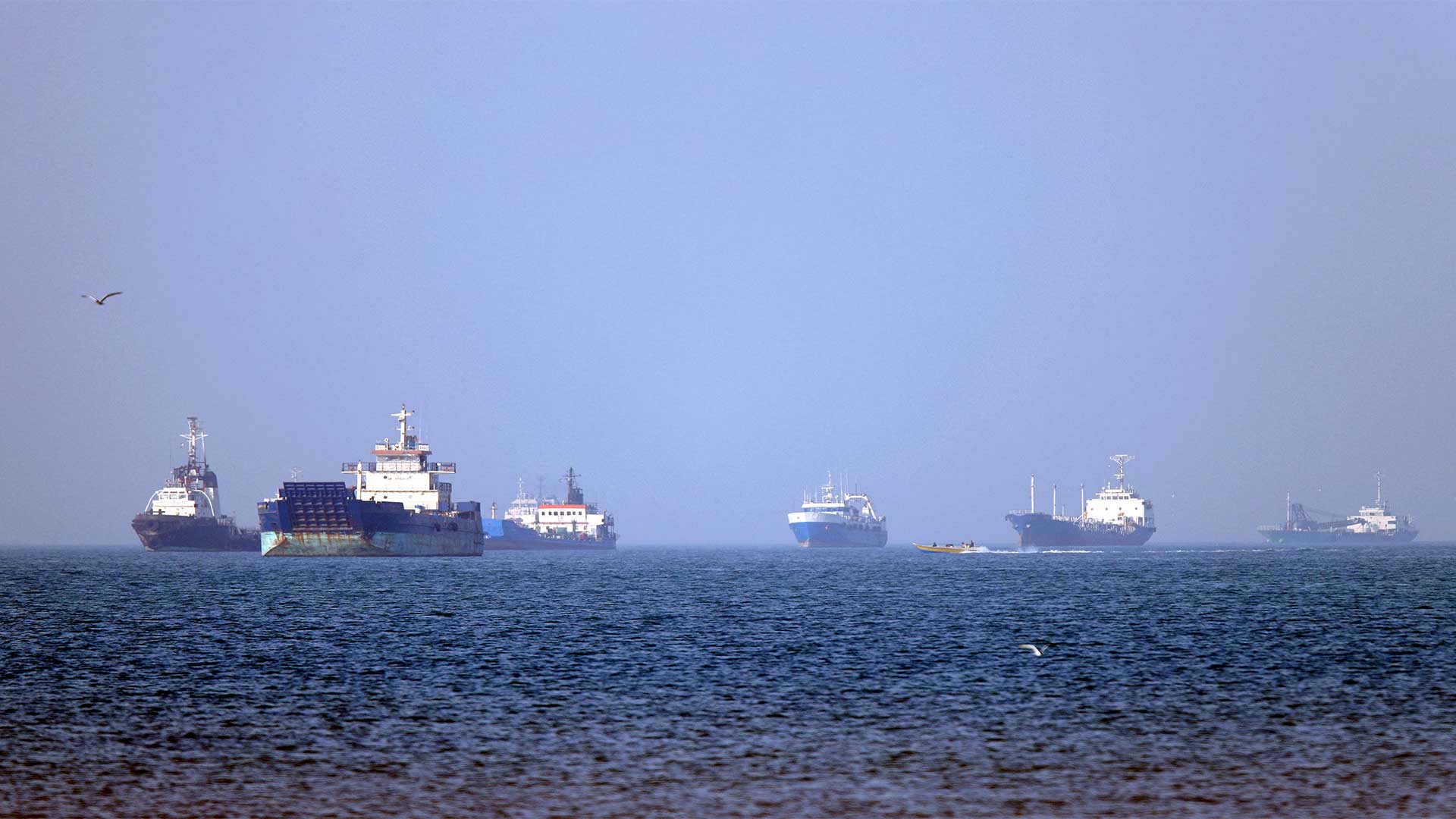
ERBIL (Kurdistan24) – Iran announced on Friday that it had seized and redirected a US-sanctioned oil tanker carrying Iranian crude back to its shores during an operation in the Sea of Oman, amid heightened tensions over regional shipping routes and energy exports.
In a statement carried by Iranian state television, the Iranian army said the navy had conducted a “specially planned operation” to seize the tanker Ocean Koi, describing the vessel as “offending” and claiming the oil on board belonged to the Islamic Republic of Iran.
“The Islamic Republic of Iran's navy, through a specially planned operation in the Sea of Oman, seized the offending tanker Ocean Koi,” the statement said.
Iranian authorities said the tanker was redirected to the country’s southern shores after allegedly attempting “to damage and disrupt Iran's oil exports,” though the statement did not provide further details about the accusation or explain why the vessel had returned toward Iran.
The incident comes amid ongoing tensions in regional waterways following Iran’s effective closure of the Strait of Hormuz after US-Israeli strikes on Iran in late February triggered a broader confrontation across the region.
Earlier on Friday, an oil tanker carrying one million barrels of crude oil arrived in South Korea after transiting the Strait of Hormuz, marking the first such shipment to reach the country since the strategic waterway was shut.
The Malta-flagged tanker Odessa reached waters near Seosan on Friday morning, carrying cargo equivalent to nearly half of South Korea’s daily oil consumption, according to industry sources cited by AFP.
Shipping traffic through the Strait of Hormuz has sharply declined in recent months due to security concerns. Tensions escalated again on Thursday after US and Iranian forces exchanged fire in the strategic waterway, fueling fears that a fragile ceasefire could collapse.
The prolonged disruption has pushed South Korea to diversify energy imports and impose a fuel price cap for the first time in nearly three decades, while the UN International Maritime Organization warned that around 1,500 ships and 20,000 international crew members remain stranded in the Gulf region because of the conflict.