Syrian Government to Release New Group of SDF Detainees
Ahmad al-Hilali said Kurdish rights remain protected while integration talks and humanitarian efforts in Western Kurdistan continue despite ongoing tensions.
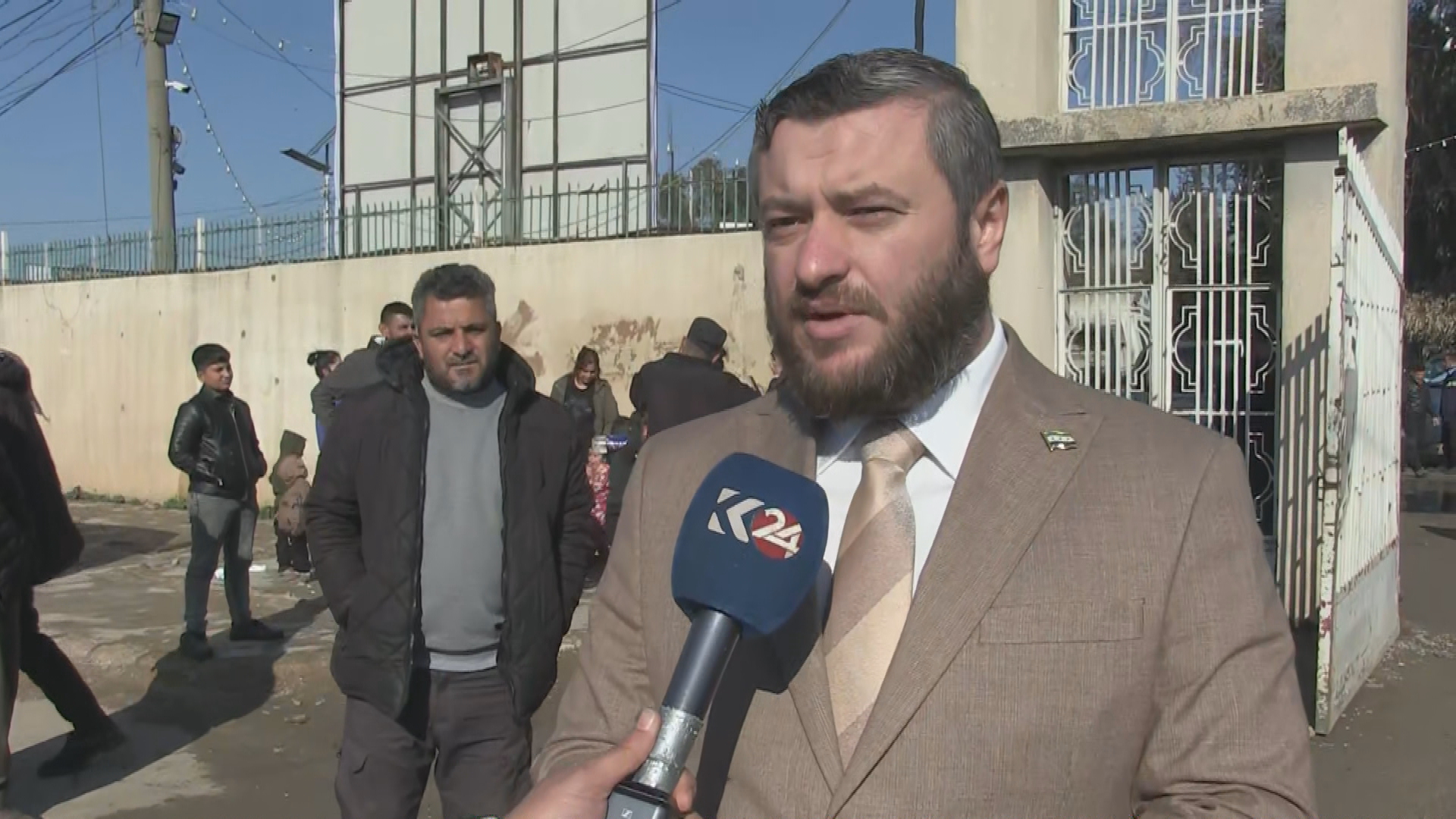
ERBIL (Kurdistan24) - Against the backdrop of fragile political understandings and lingering tensions in northeastern Syria (Western Kurdistan), Hasakah Deputy Governor, and the Spokesperson for the presidential team tasked with implementing the January 29 agreement with the SDF, Ahmad Hilali announced that the Syrian government is set to release a new batch of detainees affiliated with the SDF from its prisons on Friday, while reaffirming that the rights of Kurds and all components of the region “are fully protected.”
In remarks to Syria’s state-run Al-Ikhbariya TV on Thursday, Hilali said the rights of Kurds and all communities in the region “will not be lost under any political or security circumstances.”
He added that efforts to return displaced people are continuing through humanitarian tracks that the government is following “continuously and without interruption.”
Hilali stated that the process of integrating institutions in northeastern Syria remains ongoing despite what he described as slow procedures caused by the large number of files linked to institutions and provinces in the region.
He also confirmed that a new group of SDF detainees held by the Syrian government would be released on Friday.
Addressing the tensions witnessed in Hasakah on Thursday following protests over the removal of the identification sign from the city’s Justice Palace building, Hilali described the events as “condemned and completely rejected acts.”
He stressed that there is consensus among the participating parties in rejecting the incident, adding that investigations are still underway and that it is too early to accuse any specific side of being responsible.
The latest developments come amid continuing discussions surrounding the implementation of agreements between Damascus and the SDF regarding the future of northeastern Syria.
On May 3, 2026, SDF Commander Mazloum Abdi revealed details about SDF’s relationship with the Syrian government during an interview – which will be published soon - with the “BeTawqit Dimashq” podcast.
Abdi said Syrian President Ahmad al-Sharaa and the government had not offered him a senior official position “directly” in Damascus or within the president’s office, though he remained silent when asked whether such an offer had been made indirectly.
He also commented on the SDF conference held in Hasakah attended by Sheikh Ghazal Ghazal and Sheikh Hikmat al-Hijri shortly after contact between al-Sharaa and Abdi, saying: “It could have not happened, but it happened… and it was not necessary for this to happen.”
Abdi further acknowledged that the SDF was not the only force that fought ISIS during the Syrian conflict and admitted that they had failed to curb drug smuggling and distribution in areas it previously controlled by SDF.
The remarks come months after Abdi and al-Sharaa signed an agreement on March 10, 2025, stipulating the integration of the SDF into the Syrian army and the incorporation of all civilian and military institutions in Western Kurdistan — including border crossings, airports, and oil and gas fields — into state institutions, while recognizing “Kurdish society” as an essential component of the Syrian state and guaranteeing its constitutional rights.
The agreement, however, remained largely unimplemented for months, contributing to renewed tensions and clashes between Syrian government forces and the SDF before a new ceasefire was reached in January 2026, under which the SDF handed over its positions to Syrian forces, effectively ending what had been known as the “Autonomous Administration” and restoring state authority over northeastern Syria.
The latest prisoner release and continued integration talks appear to represent another step in the slow-moving process aimed at stabilizing the region following months of political and military uncertainty.