Trump Rejects Iranian Proposal for Ending War
The US president dismissed Tehran’s latest response as “totally unacceptable,” despite ongoing diplomatic efforts aimed at reducing regional hostilities.
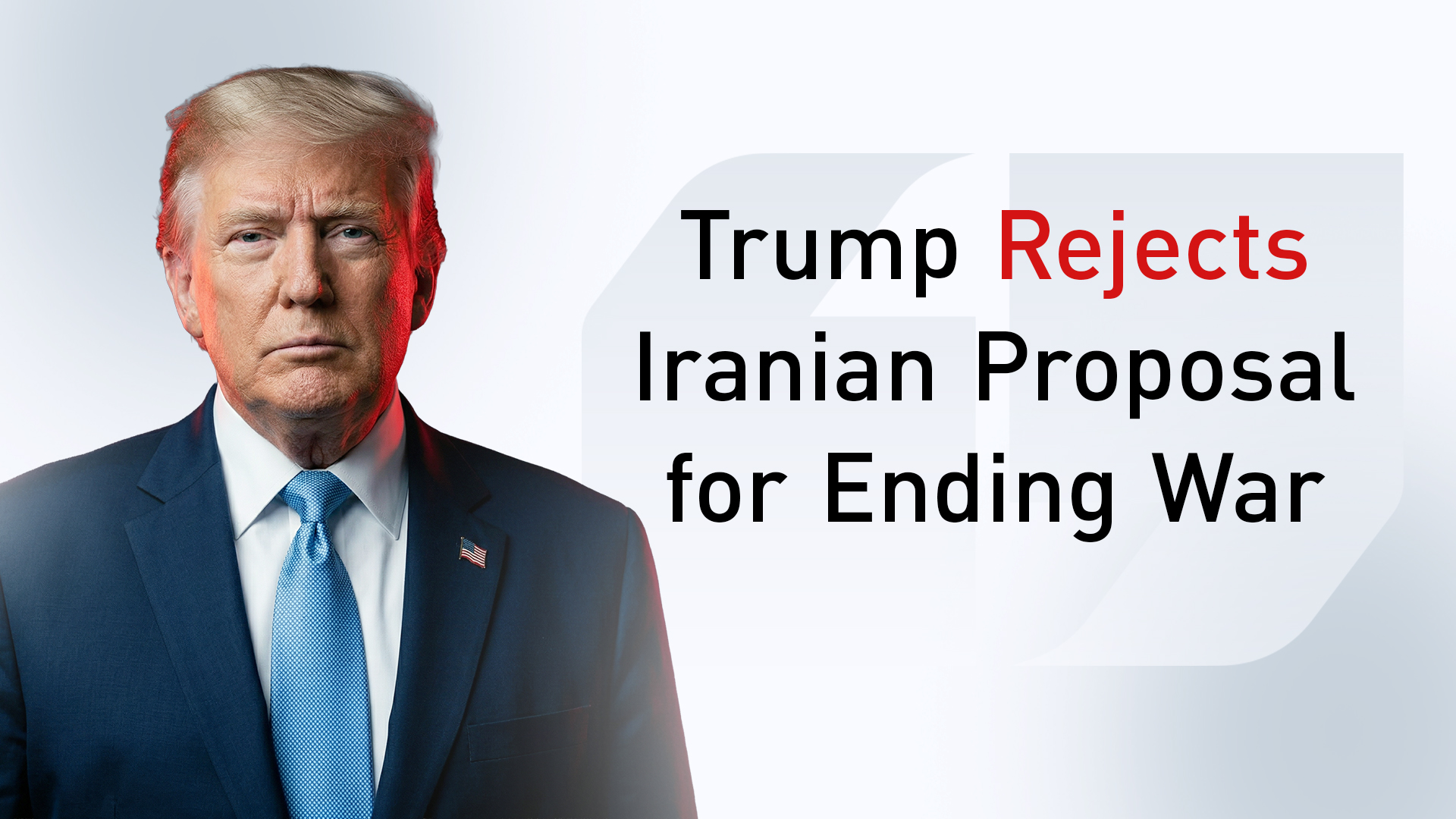
ERBIL (Kurdistan24) - A fresh wave of tension swept across the already volatile US-Iran crisis on Sunday after US President Donald Trump publicly rejected Iran’s latest proposal aimed at ending the war, describing Tehran’s response as “totally unacceptable.”
In a post published on his Truth Social platform, Trump wrote: “I have just read the response from Iran’s so-called ‘Representatives.’ I don’t like it — TOTALLY UNACCEPTABLE! Thank you for your attention to this matter. President DONALD J. TRUMP.”
The statement marked the latest escalation in rhetoric between Washington and Tehran, despite parallel diplomatic efforts to contain the conflict and prevent further regional destabilization.
Trump accuses Tehran of “playing games”
Trump’s remarks came only hours after he accused Iran of “playing games” with the United States and the international community for decades.
In another Truth Social post, Trump stated that “Iran has been playing games with the United States, and the rest of the World, for 47 years (DELAY, DELAY, DELAY!),” while declaring that Tehran would be “laughing no longer.”
The renewed verbal confrontation follows Iran’s formal response to a new US proposal delivered through Pakistani mediation earlier on Sunday.
While the full contents of Tehran’s reply were not disclosed publicly, Iranian officials indicated that the discussions are currently focused on ending hostilities and reducing tensions across the region.
According to Iranian officials, nuclear negotiations are not part of the current talks, as Tehran rejected Washington’s demand to curb its nuclear program.
Iranian President Masoud Pezeshkian also pushed back strongly against mounting US pressure, insisting that diplomatic engagement should not be interpreted as weakness.
“We will never bow our heads before the enemy,” Pezeshkian wrote on X, adding that negotiations are intended to “uphold the rights of the Iranian nation and defend our national interests with unwavering strength.”
Iranian officials further stated that the country’s period of what they described as “strategic patience” had ended, warning of a “heavy assault” on US assets if Iranian vessels are targeted again.
Tehran’s response reportedly also addressed security concerns in the Strait of Hormuz and the Gulf, where tensions involving military and commercial vessels have intensified in recent weeks.
The developments come as Washington prepares for another round of international diplomatic engagement surrounding the conflict.
According to a senior US administration official, Trump is expected to raise the Iran issue during his upcoming visit to Beijing next week, where he is scheduled to meet Chinese President Xi Jinping.
US officials reportedly hope China could use its influence with Tehran to help reduce tensions and support efforts aimed at ending the war.
Meanwhile, Pakistan has emerged as a key intermediary in communications between Washington and Tehran during the current phase of negotiations.
Despite the sharp rhetoric from both sides, the latest exchanges indicate that diplomatic channels remain open, even as the military and political confrontation continues to deepen across the region.