Azm Alliance Demands Review After Iraqi Cabinet Disputes
Iraq's Sunni Azm Alliance backed Prime Minister Ali al-Zaidi's new government while warning that the rejection of several ministerial nominees threatened political balance, after chaotic parliamentary sessions delayed approval of key cabinet posts.
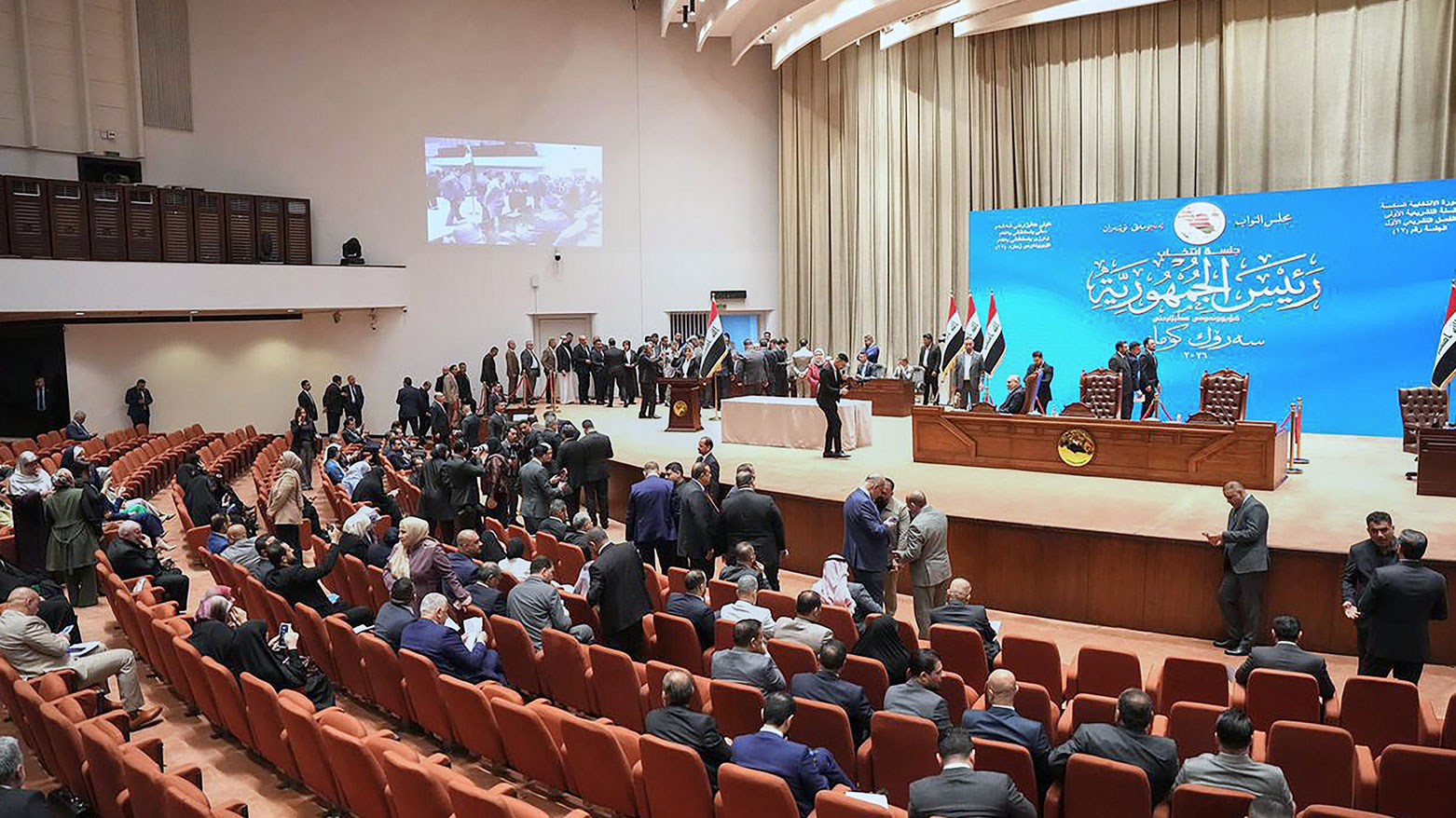
ERBIL (Kurdistan24) - The Azm Alliance released a formal press statement on Thursday outlining its political position following the parliamentary session that granted confidence to a portion of Iraq's new federal cabinet. According to the document, the Sunni political bloc congratulated Prime Minister Ali Falih al-Zaidi on his successful confirmation but expressed significant reservations regarding the failure to approve specific ministerial candidates during the volatile parliamentary vote.
The statement arrives during a period of acute political sensitivity as Baghdad navigates the final stages of a complex and highly contested government formation process.
According to the statement, the Azm Alliance emphasized that its support for the new government was driven by a sense of "national responsibility and concern for the state's stability."
The alliance noted that it sought to facilitate the completion of constitutional entitlements to spare Iraq from a political impasse that could negatively impact the general situation of the country.
However, the press release underscored that the rejection of candidates presented by the Azm Alliance and other political forces necessitates a "serious political review" to preserve the principle of political balance and respect electoral outcomes.
The political dynamics surrounding the cabinet confirmation hold significant implications for both domestic governance and regional relations.
Following the parliamentary session, the Presidency of the Iraqi Parliament announced that it will closely monitor the new government's performance to ensure the implementation of its promised program.
Concurrently, regional neighbors have signaled their intentions regarding the new administration; the Turkish Ministry of Foreign Affairs welcomed the formation of the cabinet, stating its readiness to expand coordination with Iraq across all fields.
The combination of intense domestic parliamentary scrutiny and active regional diplomatic interest underscores the high stakes of Baghdad's current political transition.
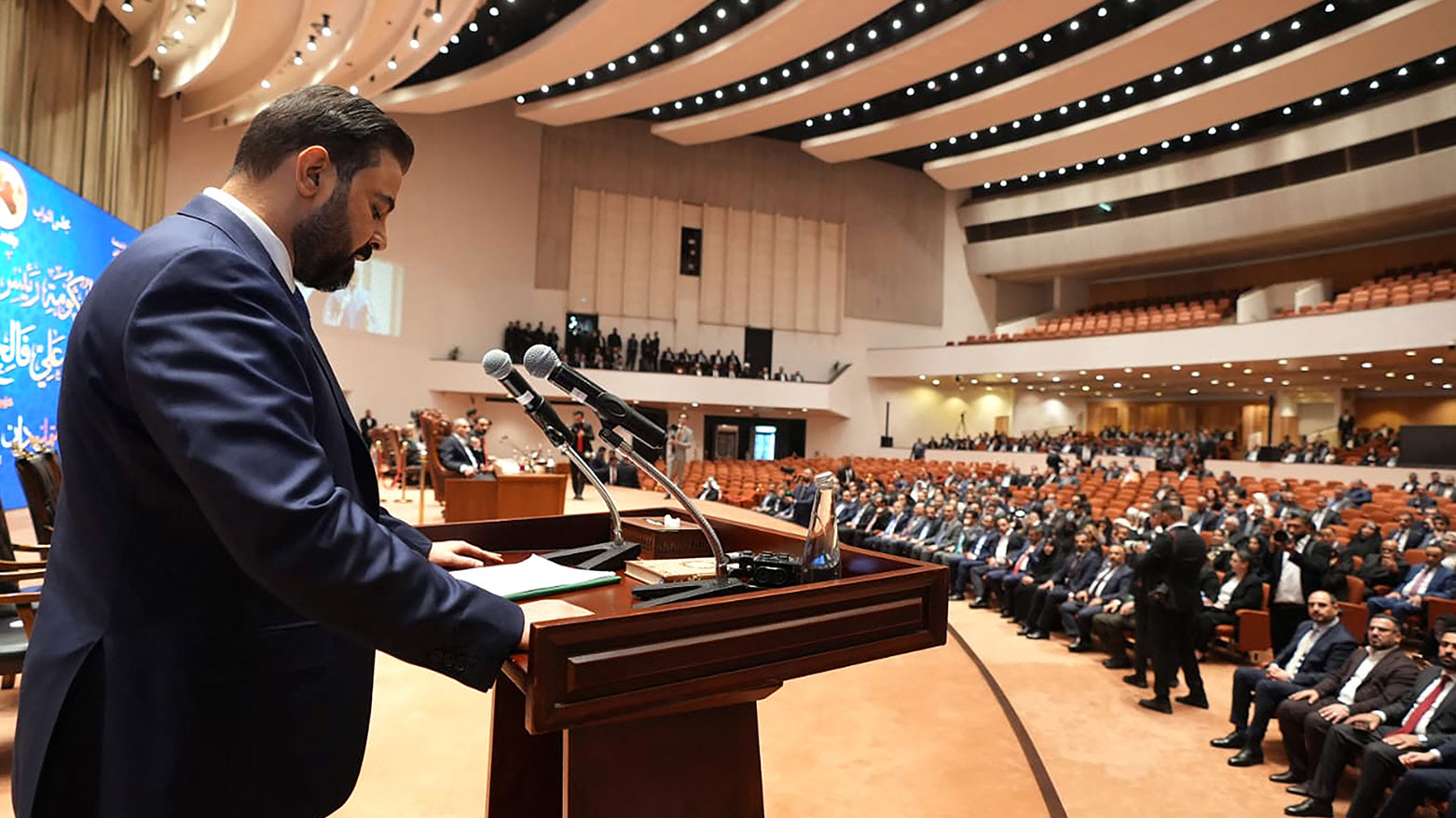
Iraqi lawmakers approved a new government on May 14 led by businessman Ali al-Zaidi, who took office after months of deadlock and mounting US pressure. (AFP)
Azm Alliance Outlines Political Stance
The press release issued by the Azm Alliance detailed the faction's core concerns regarding the allocation of ministerial portfolios.
According to the statement, the alliance called upon all political forces to operate with a spirit of national responsibility and to address pending issues in a manner that enhances mutual understanding.
The alliance warned against pursuing any political paths that could lead to increased tension or harm the delicate balance of the state.
The Azm Alliance explicitly clarified that its support for the stability of al-Zaidi's government does not equate to an abandonment of its political rights.
The statement emphasized that the alliance remains fully committed to defending its political presence and the entitlements of its public within established constitutional frameworks, indicating that negotiations over the remaining vacant ministries will likely involve rigorous bargaining.
Tensions During Cabinet Vote
The concerns raised by the Azm Alliance stem directly from the chaotic proceedings within the Iraqi Council of Representatives.
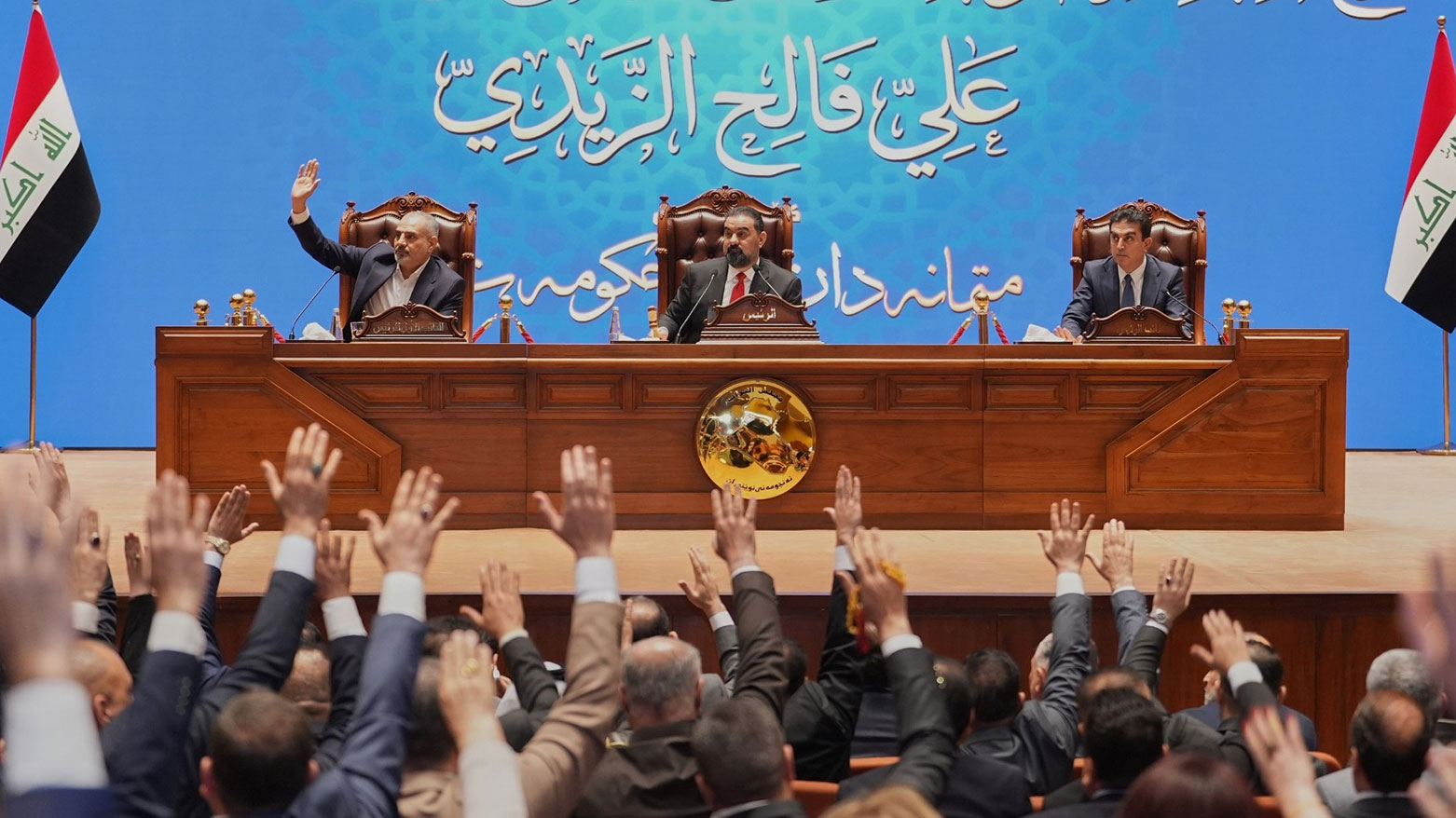
According to parliamentary reports, the session on Thursday successfully granted confidence to 14 ministers in al-Zaidi's cabinet after the prime minister-designate read his ministerial program, which was subsequently approved by a majority vote.
However, the voting process was abruptly halted due to severe disagreements between political blocs.
Reports indicated that chaos erupted over the nomination for the Ministry of Interior, a position sought by General Qasim Atta of the State of Law Coalition.
According to parliamentary sources, Shiite factions refused to vote for a Sunni candidate affiliated with the Azm Alliance; in retaliation, Sunni parliamentarians withheld their votes for the State of Law's interior minister candidate.
The dispute escalated significantly on the parliament floor.
Officials indicated that physical altercations broke out between parliamentarians representing the different components over the voting for the ministries of Interior, Planning, and Higher Education.
As a result of this friction, the voting process for the remainder of the ministerial cabinet was postponed until after the Eid al-Adha holiday.
Reactions From Political Figures
The partial confirmation and the accompanying disruptions generated immediate reactions from key political figures across the Iraqi spectrum.
In his first public message after securing parliamentary confidence, Prime Minister Ali al-Zaidi praised the political forces for demonstrating a spirit of partnership.
According to his statement, al-Zaidi described the confidence vote as a "great trust" and promised to work toward consolidating stability, restoring the prestige of the state, and providing a dignified life for the Iraqi people.
Speaker of the Parliament Haybat al-Halbousi congratulated al-Zaidi but acknowledged the hurdles ahead.
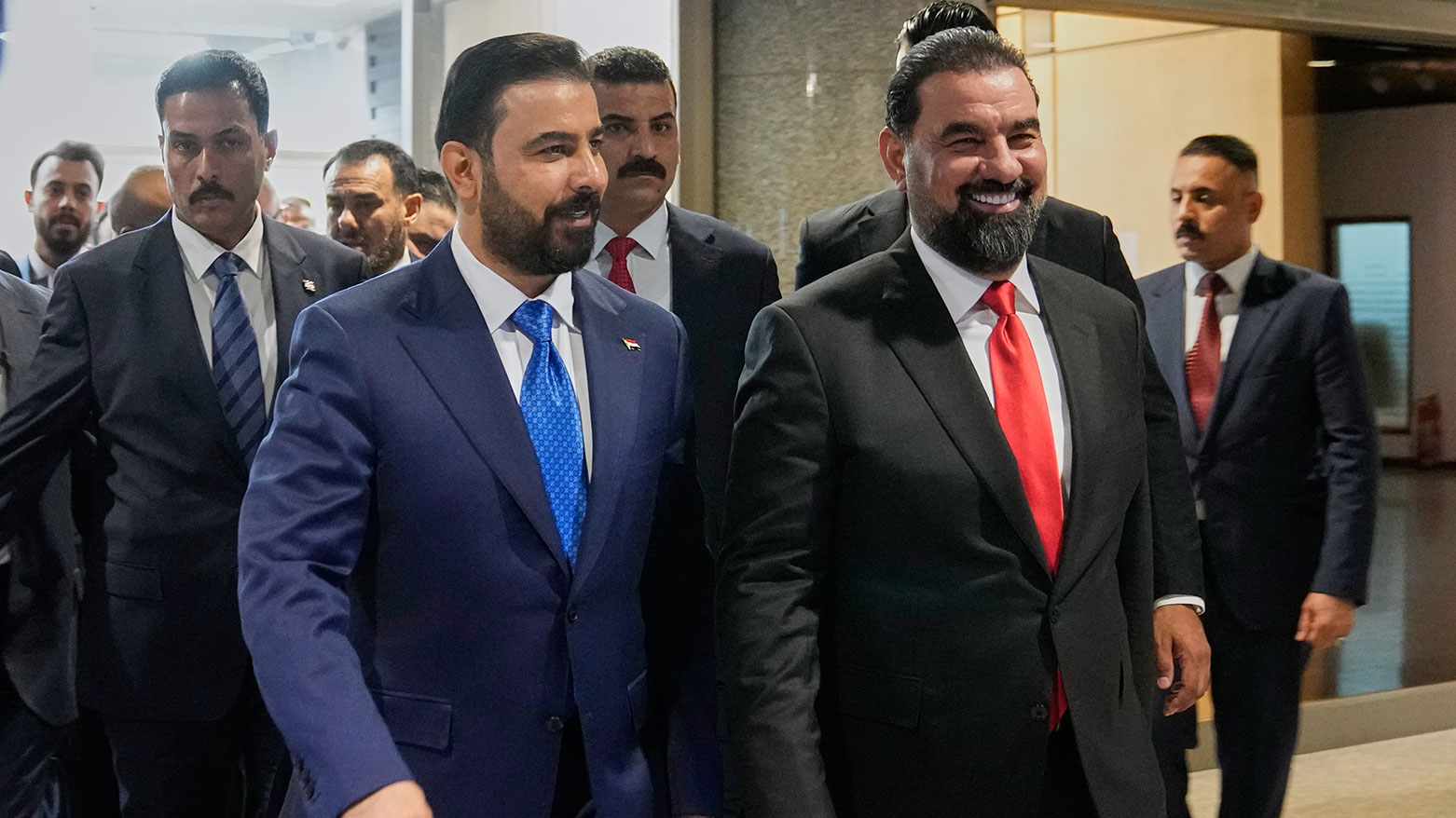
Halbousi stated that obtaining the support of the political forces represents a "great responsibility for confronting the political, economic, and service challenges facing the country." He emphasized that the upcoming phase requires extensive national coordination.
Conversely, Kurdish representatives voiced strong criticism regarding the procedural conduct of the session.
Shakhawan Abdullah, head of the Kurdistan Democratic Party (KDP) faction in the Iraqi Parliament, stated that the parliamentary presidency demonstrated bias and lost its neutrality.
Abdullah criticized the decision to prioritize the vote for the Minister of Electricity over critical sovereign portfolios such as Interior and Foreign Affairs, claiming that there was "injustice during the voting" as certain factions moved their preferred candidates forward in the schedule.
Kurdish Concerns and Constitutional Issues
The formation of the new government remains a vital issue for the Kurdistan Region, whose leadership was present during the tense parliamentary proceedings.
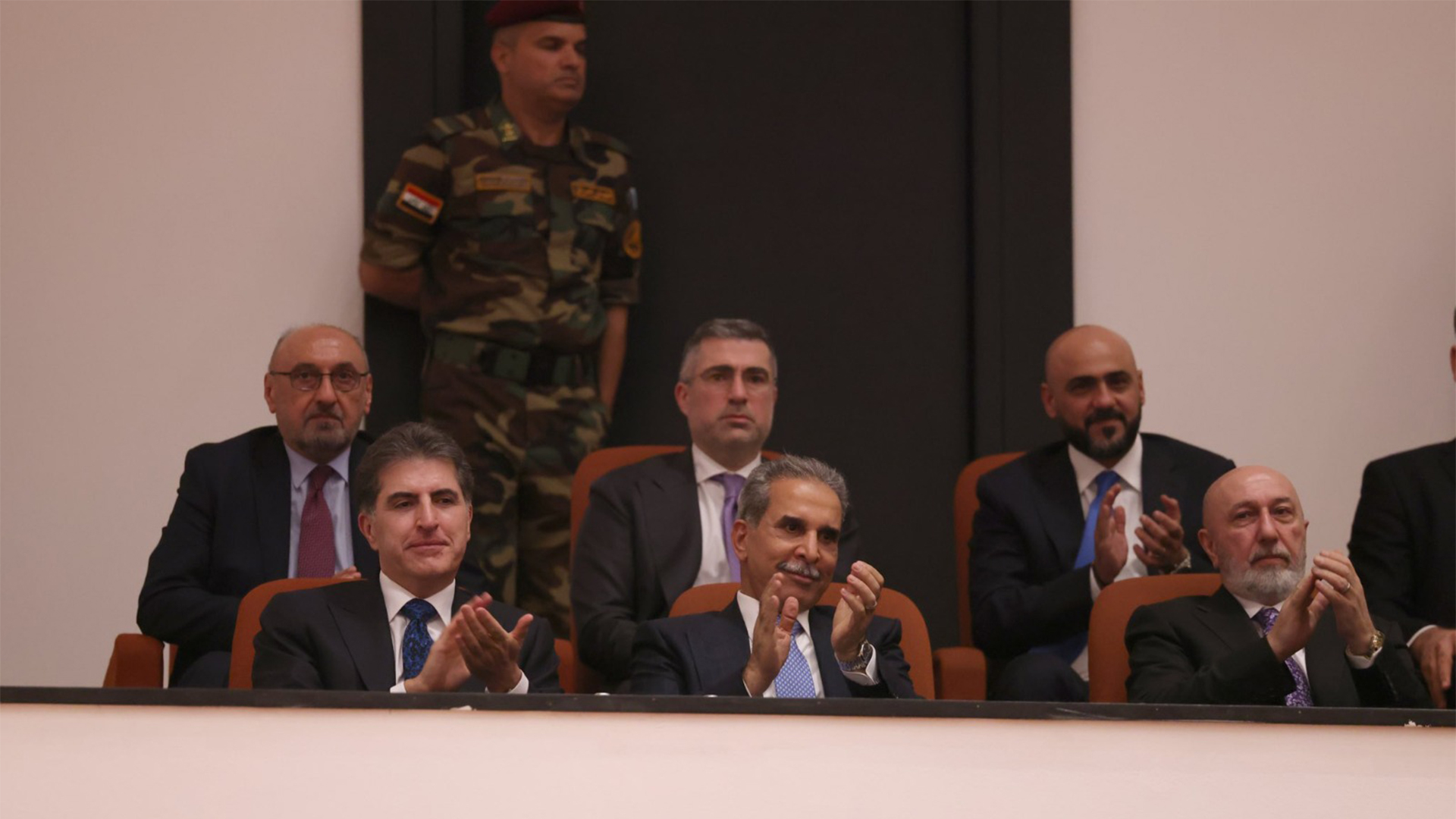
Kurdistan Region President Nechirvan Barzani attended the session to observe the granting of confidence.
Prior to the vote, Dilshad Shahab, spokesperson for the Kurdistan Region Presidency, outlined Erbil's expectations for the incoming administration.
According to Shahab, the Presidency of the Region supports the formation of the government but requests that federal principles be clearly reflected in its governance.
Shahab emphasized the necessity of protecting the constitutional rights of the Kurdistan Region and called upon all Kurdistani parties in Baghdad to maintain a unified stance regarding the rights and interests of their constituents, despite any internal political disagreements.
Regional and Institutional Implications
As the political dust settles on the initial round of voting, domestic institutions and regional partners are preparing for the next phase of engagement.
The Presidency of the Iraqi Parliament issued a statement calling on Prime Minister al-Zaidi to expedite the submission of candidates for the remaining vacant ministries.
The parliamentary leadership underscored its oversight role, declaring its intention to closely follow up on the government's performance and the execution of its ministerial program.
Regionally, the formation of the government has been met with supportive diplomatic messaging.
The Turkish Ministry of Foreign Affairs expressed confidence in the new Iraqi administration's program.
According to a formal release, Türkiye emphasized its determination to advance coordination with Iraq, expressing hope that the new government will take decisive steps toward strengthening stability and regional integration.
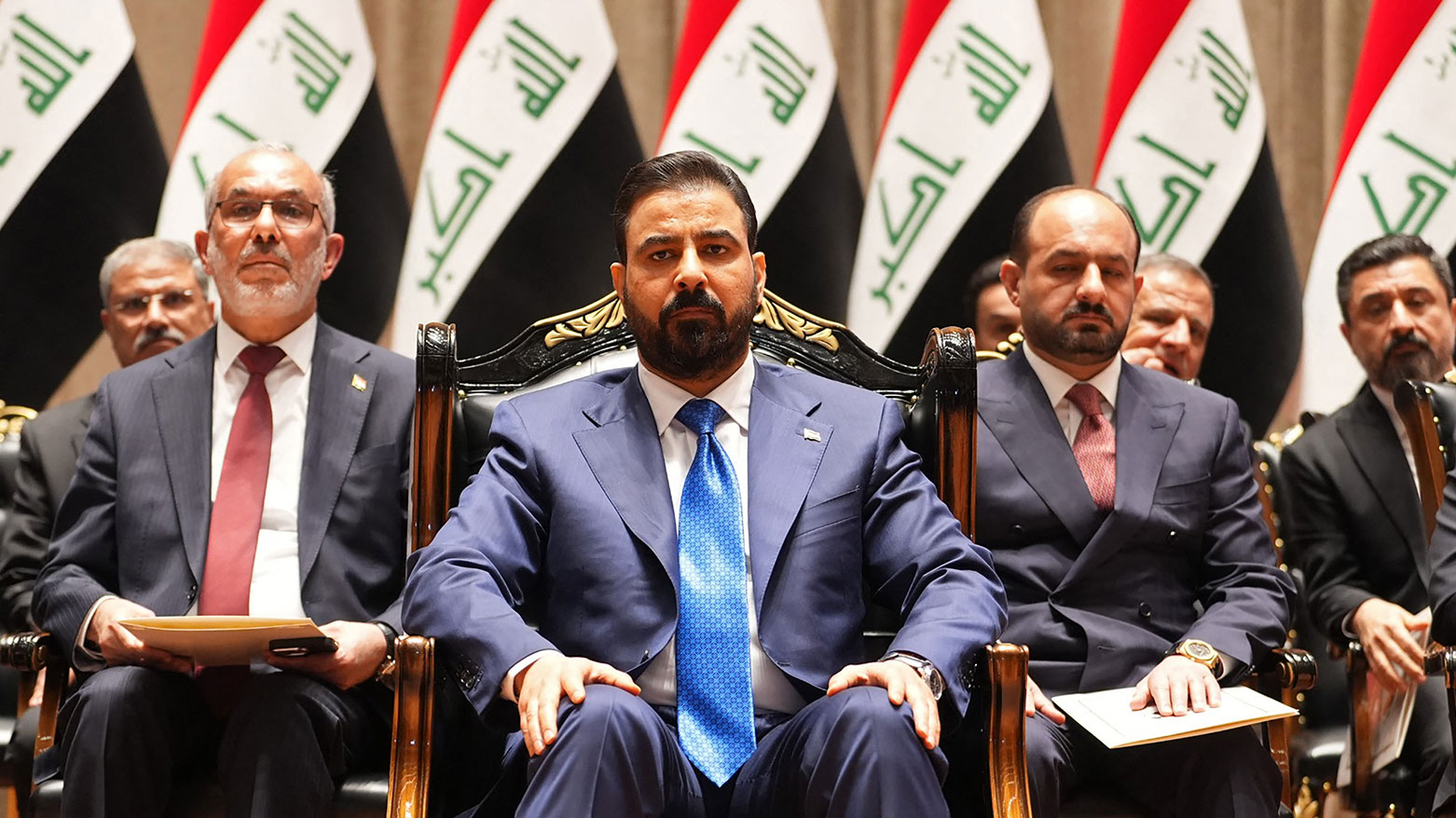
Iraqi lawmakers approved a new government on May 14 led by businessman Ali al-Zaidi, who took office after months of deadlock and mounting US pressure. (AFP)