Iraq’s New Prime Minister Promises ‘Real National Partnership’ And Comprehensive Reform Agenda
Iraq’s new prime minister pledged sweeping economic reforms, anti-corruption measures, and major infrastructure projects
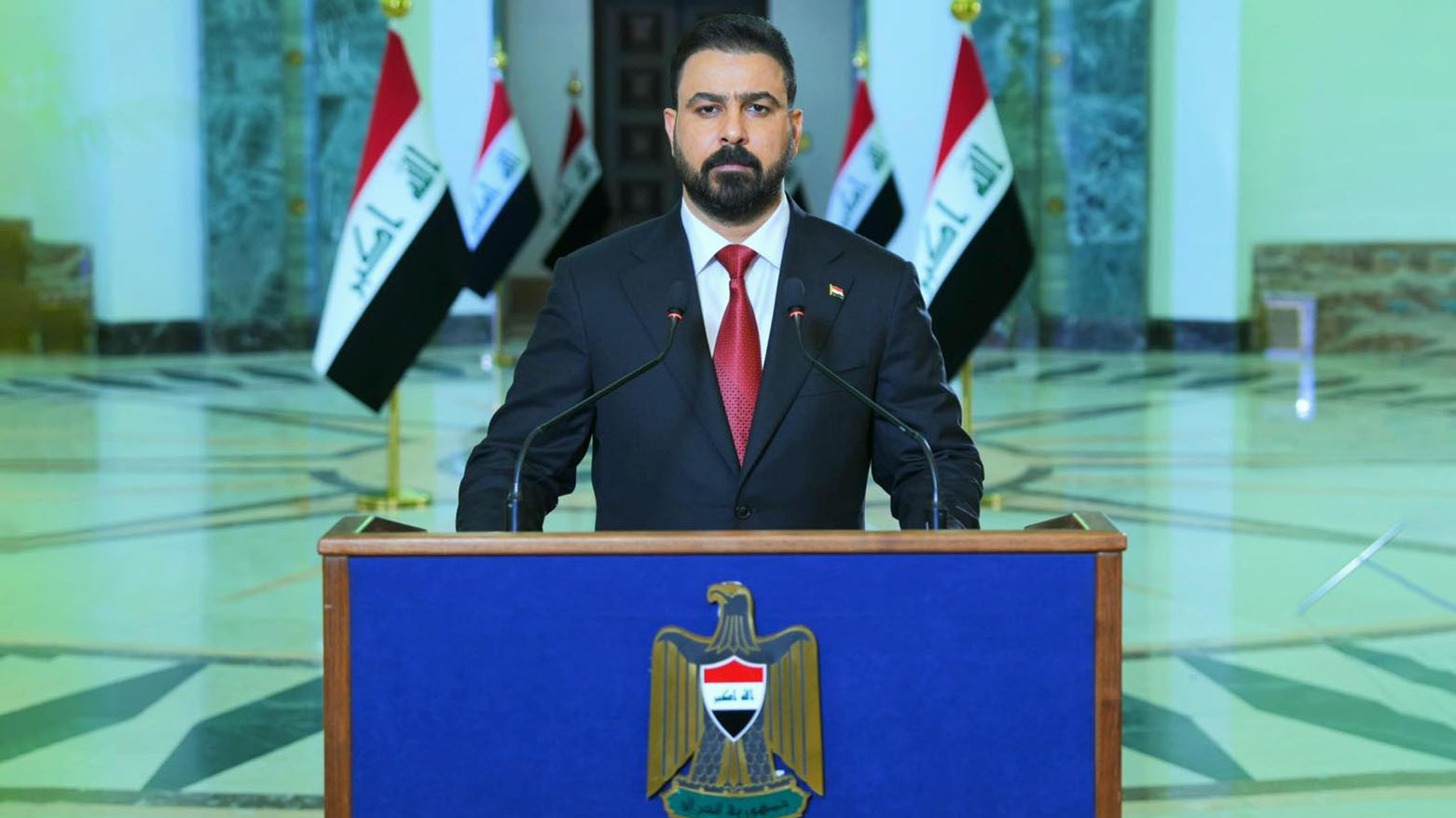
ERBIL (Kurdistan24) - Iraqi Prime Minister Ali Falih al-Zaidi pledged a broad reform program focused on economic recovery, anti-corruption efforts, public services, and institutional governance in his first televised address to the Iraqi people after officially assuming office as head of government.
In a speech delivered following the formal handover ceremony in Baghdad, al-Zaidi thanked the Iraqi Parliament for granting confidence to his government and praised the Coordination Framework leaders and political forces that contributed to forming the new cabinet.
“I extend my sincere thanks and appreciation to the Council of Representatives for this national confidence,” al-Zaidi said, adding that the coming period “will be a phase of genuine national partnership that rises above differences.”
He pledged that his government would work “sincerely to confront challenges” facing the country.
Economic reform at the center of the agenda
Al-Zaidi said one of the top priorities of his government would be launching a comprehensive economic and financial reform program aimed at building “a strong, diversified, and sustainable national economy” that no longer depends on a single resource.
According to the prime minister, the reform plan will focus on revitalizing Iraq’s industrial, agricultural, tourism, and investment sectors while encouraging Iraqi expertise and national talent.
The new premier also vowed to intensify efforts to protect public funds and combat administrative and financial corruption, describing corruption as a major obstacle to development and state-building.
“We will work with full force to protect public money and fight corruption in all its forms,” he said.
Jobs, education, and healthcare
Addressing Iraq’s growing economic pressures, al-Zaidi said creating employment opportunities for young people and reducing unemployment would remain among the government’s highest priorities.
He said the government plans to launch development and production projects, encourage investment, and support the private sector as “an essential partner in building the national economy.”
Al-Zaidi also promised to create a fair environment that guarantees equal opportunities for all Iraqis “away from favoritism and discrimination,” stressing that citizenship and social justice would remain central principles of his administration.
The prime minister pledged exceptional support for Iraq’s education sector through curriculum reform, rehabilitation of schools and universities, and support for educational institutions and academic development.
He also vowed to improve medical and healthcare services by developing hospitals and health centers, ensuring access to medicine and treatment, and expanding healthcare services across both urban and rural areas.
Infrastructure and state institutions
Al-Zaidi said infrastructure and public services would no longer remain “hostage to delayed promises,” pledging strategic projects aimed at improving electricity, water, roads, sewage systems, transportation, and housing.
“Our government will be a government of state institutions, a government of law and justice,” he said, adding that the administration would remain open to all Iraqis and attentive to public concerns.
He stressed that the strength of the Iraqi state “comes from the trust of its people.”
The new prime minister also pledged to reinforce security and stability, protect Iraq’s sovereignty, and strengthen Baghdad’s regional and international relations on the basis of mutual respect and shared interests.
“Iraq today deserves to rise,” al-Zaidi said. “Its people deserve to live with dignity and to see their state strong, fair, and capable of meeting their aspirations.”
Religious and national appreciation
Al-Zaidi expressed gratitude to Iraq’s highest religious authority for its “wise positions” and role in preserving civil peace, while also praising religious and national institutions from across Iraq’s diverse communities.
“The path of reform may be difficult,” he said, “but it is not impossible when intentions unite and efforts are sincere.”
Parliamentary confidence vote
Al-Zaidi formally assumed office after the Iraqi Parliament voted on Thursday to approve his government program and grant confidence to 14 ministers in his proposed cabinet.
The parliamentary session began at 5:45 p.m. and was attended by Kurdistan Region President Nechirvan Barzani alongside senior Iraqi political leaders.
At the start of the session, 166 lawmakers were present, with attendance later rising to 270 members of parliament as proceedings continued.
During the meeting, Parliament Speaker Mohammed al-Halbousi invited al-Zaidi to present his government program before lawmakers voted by majority to approve the cabinet agenda.
Parliament later approved ministers for the portfolios of Water Resources, Trade, Justice, Education, Transport, Foreign Affairs, Oil, Industry, Electricity, Health, Environment, Agriculture, Finance, and Communications.
The speech marked al-Zaidi’s first major political message after taking office, outlining the priorities of a government that now faces mounting economic, political, and service-related challenges across Iraq.