How KRG’s Ninth Cabinet Is Reshaping Kurdistan’s Water Sector
Through strategic dams, modern purification plants, and groundwater protection measures, the Kurdistan Regional Government says it is moving toward a long-term solution to the Region’s water crisis.
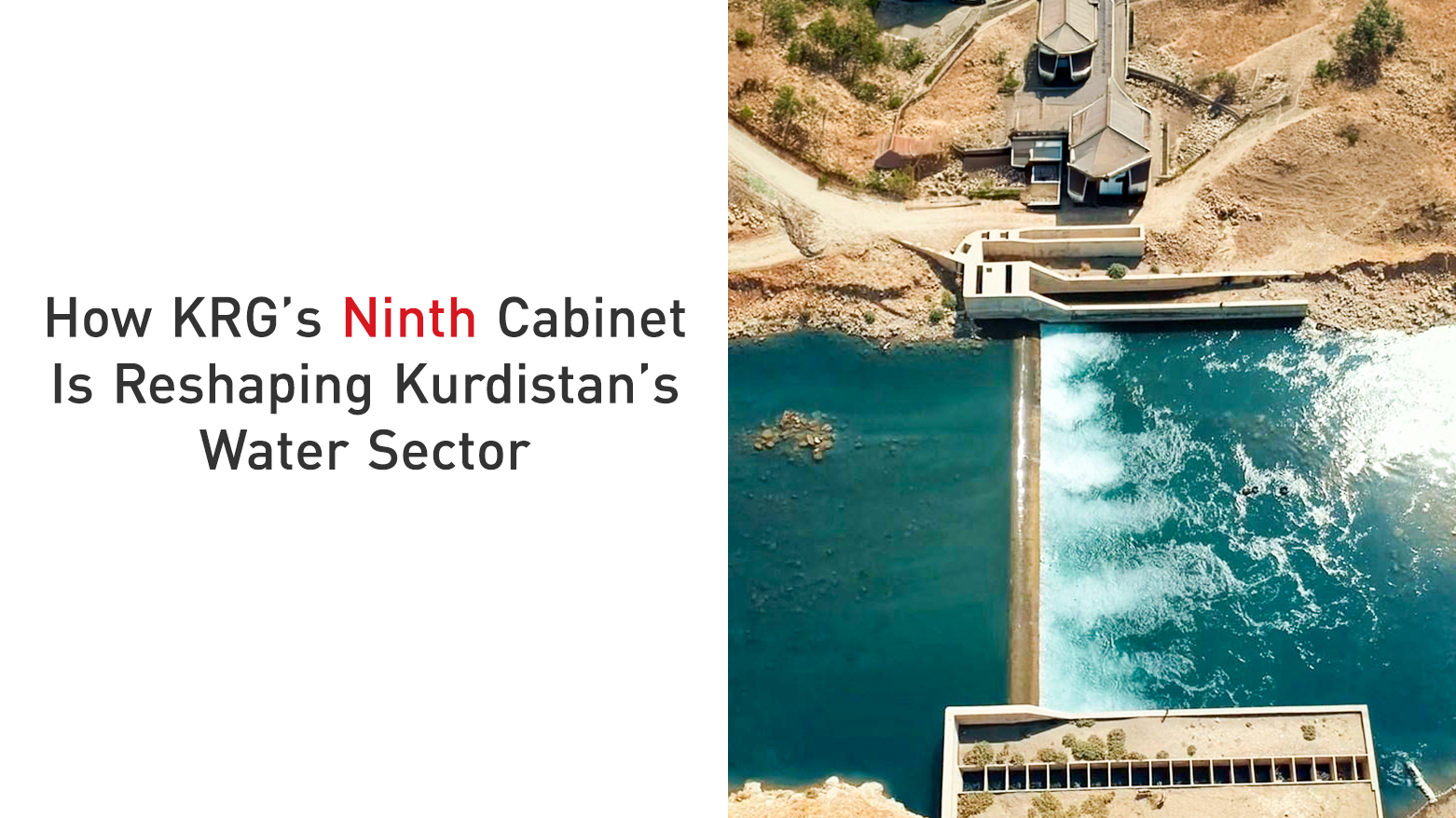
Erbil (Kurdistan24) - The Kurdistan Regional Government’s ninth cabinet has significantly expanded water infrastructure across the Kurdistan Region through a broad network of dams, purification plants, strategic pipelines, and groundwater protection projects aimed at securing long-term water sustainability and improving access to clean water for millions of residents.
According to official figures from the Kurdistan Regional Government (KRG), more than 2.564 million cubic meters of clean water are currently being produced daily across the Kurdistan Region through a network of strategic water projects, purification stations, wells, and natural springs.
The government says the initiative forms part of a broader long-term strategy aimed at permanently addressing water shortages while ensuring access to clean drinking water that meets international standards.
At present, water services across the Kurdistan Region are being supplied through 25 major strategic purification plants and stations, alongside 4,946 wells and 536 natural springs serving cities, towns, and villages across the Region.
Officials say the projects have significantly expanded access to high-quality drinking water while reducing dependence on emergency groundwater extraction.
Over the past five years, the ninth cabinet completed several major strategic water projects, including the Fast Water Projects of Erbil, Qushtapa, Pirmam, and Barzan.
According to government data, those projects played a major role in addressing decades-old water shortages in several areas and helped shut down more than 1,000 groundwater wells, a step officials describe as critical for preserving underground water reserves and reducing environmental stress.
The Kurdistan Regional Government has increasingly framed water security as part of a broader environmental and economic reform agenda under Prime Minister Masrour Barzani, particularly as climate change, lower rainfall, and regional drought continue to affect Iraq and the Kurdistan Region.
Government officials have repeatedly warned that unmanaged groundwater extraction and population growth could place long-term pressure on water sustainability if large-scale infrastructure reforms are not implemented.
According to official government data, there are currently 36 dams across the Kurdistan Region, including 25 completed dams, while 11 additional dams remain under construction or implementation.
Authorities have also established 178 ponds across different provinces to strengthen water collection, support agriculture, and improve environmental sustainability.
During the ninth cabinet period, dam and water infrastructure construction accelerated significantly. Over the past five years alone, the government completed nine new dams with a combined storage capacity exceeding 252 million cubic meters of water.
At the same time, 23 ponds were completed, while another 58 ponds remain under implementation across the Kurdistan Region.
Several additional strategic projects are currently under construction, including the Goptapa-Chamchamal water project, water systems for Akre, Khanke, Rania, Bardarash, and Derbandikhan, as well as the third Dukan-Sulaimani water pipeline.
The government is also advancing the Erbil wastewater recycling project as part of broader efforts to modernize water management systems and reduce waste.
According to official plans, new water projects in Koya, Soran, and Kalar are expected to begin soon.
KRG officials say the completion of those projects would mark the final major phase in establishing a long-term solution to water shortages across the Kurdistan Region.
Alongside water infrastructure, the ninth cabinet has increasingly linked water policy to food security, environmental protection, and climate adaptation efforts, positioning the sector as one of the central pillars of the Kurdistan Region’s long-term development strategy.