IRGC Navy Reports 35 Vessels Passed Through Strait of Hormuz
The IRGC Navy claims these measures form part of a broader maritime management framework in the Gulf, including monitoring and routing of vessels transiting the waterway.
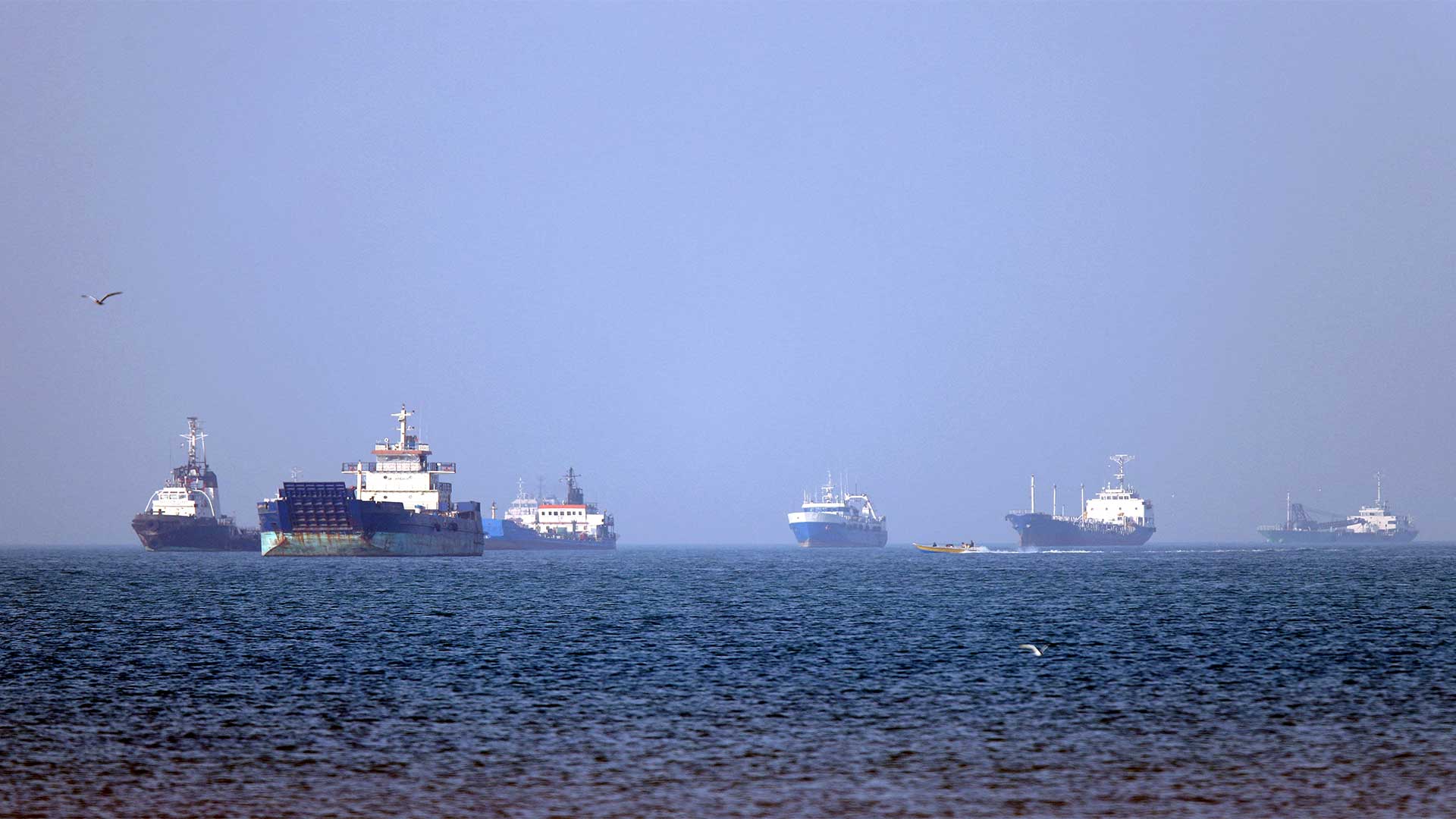
ERBIL (Kurdistan24) – The Islamic Revolutionary Guard Corps Navy on Friday released new details on its maritime monitoring operations in the Strait of Hormuz, stating that 35 oil tankers and commercial vessels passed through the narrow shipping lane within the past 24 hours under what it described as coordinated oversight.
According to the IRGC Navy, the traffic occurred after it established what it called an official operational boundary in the strategically vital strait. The defined surveillance zone reportedly stretches between coastal reference points linking Iran’s Kuh-e Mubarak to Fujairah in the United Arab Emirates, and from the edge of Qeshm Island to Umm Al Quwain on the UAE coast.
The IRGC Navy claims these measures form part of a broader maritime management framework in the Gulf, including monitoring and routing of vessels transiting the waterway.
The announcement comes amid heightened geopolitical tensions in the region. The IRGC Navy and Iranian authorities have asserted expanded maritime control measures, while describing the area as part of a regulated transit regime involving security oversight and passage coordination.
Meanwhile, the United States continues to enforce its own maritime security posture in the region through United States Central Command, which has maintained naval operations aimed at monitoring shipping activity and countering what it describes as illicit maritime networks linked to Iran.
The situation in the Strait of Hormuz remains highly contested, with overlapping claims of authority and security enforcement contributing to ongoing instability in one of the world’s most critical energy chokepoints. The strait, which connects the Persian Gulf with the Gulf of Oman, is a key transit route for global oil and liquefied natural gas shipments, making it central to international energy security.
Analysts continue to describe the maritime environment as fragmented, with competing control frameworks and heightened risk for commercial shipping operating in the area.