Environmentalist Documents Wild Plants of Mizuri Bala in Preservation Project
A new botanical documentation project in Mizuri Bala aims to protect indigenous plant knowledge threatened by climate change and generational loss.
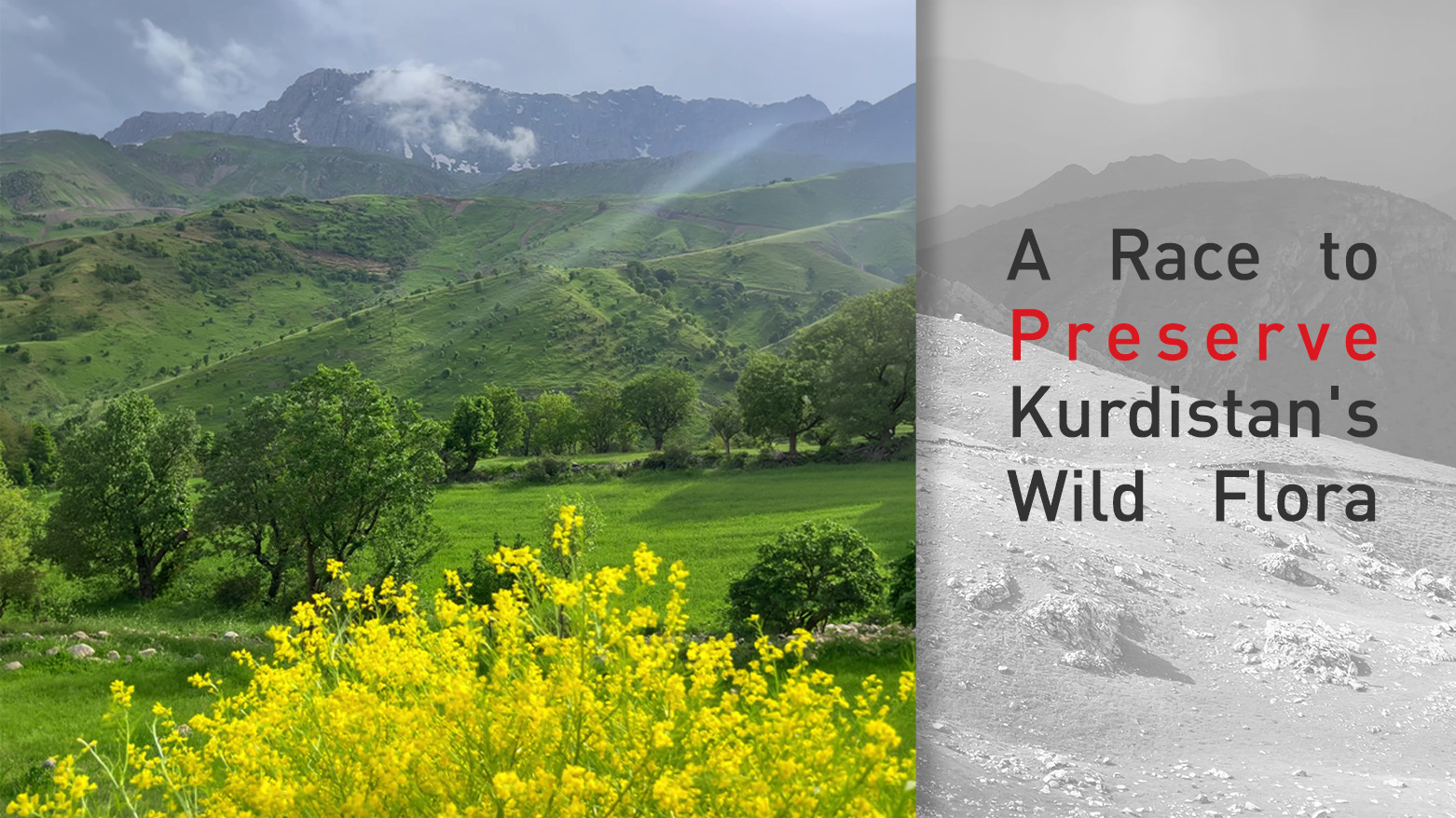
ERBIL (Kurdistan24) - A local environmental activist and researcher has launched a comprehensive voluntary initiative designed to catalog the native wild plants and medicinal herbs of the Mizuri Bala region, located within Erbil province. The project seeks to create a permanent botanical archive that will safeguard regional ecological knowledge and preserve indigenous plant terminology before it is lost to cultural shift and environmental degradation.
Rekar Mizuri told Kurdistan24 on Tuesday, that his documentation efforts stem from growing concerns regarding the gradual erasure of local ecological memory.
According to the activist, the names and traditional uses of many wild flowers and herbs are facing the threat of extinction as older generations pass away and rural lifestyles evolve.
The initiative highlights a growing awareness of the need to preserve both the environmental and cultural identity of the Kurdistan Region.
While modern scientific research frequently focuses on widespread ecological trends, localized documentation projects are increasingly vital for recording specific biodiversity data.
Oral traditions surrounding medicinal herbs are particularly vulnerable; as climate change and reduced rainfall alter the natural growth cycles and distribution patterns of mountain flora, the window for recording this deeply rooted indigenous knowledge is rapidly narrowing.
Documenting the Mountains
Rekar Mizuri's project extends beyond simply compiling local plant names.
According to Kurdistan24 reporting, the environmental researcher explained that the archive is being structured to include rigorous scientific classifications, such as identifying the Latin nomenclature for each species, alongside documenting their medical benefits and broader environmental significance.
To gather this data, Mizuri employs a dual-method approach.
The primary phase involves extensive fieldwork, where he travels through the rugged mountains and valleys of the Mizuri region to photograph and physically document the varied plant life.
The second, equally crucial method relies on the inherited knowledge of the local community.
The activist stated that he consults extensively with local farmers and regional herbal experts to verify indigenous terminology and record traditional methods of preparing and utilizing medicinal plants.
Native Plants and Ecological Diversity
The developing archive provides a detailed snapshot of the region's rich botanical diversity.
According to Kurdistan24 reporting, Mizuri has successfully recorded more than 75 types of plants, wild grains, and native fruits that local populations have historically utilized for nutritional and medicinal purposes.
The researcher explained that the catalog includes a wide variety of wild herbs, such as three distinct types of Gundelia (Kengir), alongside Arum (Kari), Rhubarb (Rewas), and Sorrel (Trshok).
Mizuri specifically highlighted the inclusion of Watercress (Kuzala), noting its perceived medicinal benefits.
The archive also systematically documents the region's wild trees, recording the presence of Walnut, Oak (Mazi), Sumac, and native almond varieties.
Furthermore, the environmentalist stated that the project includes a dedicated section on regional fungi.
Mizuri noted that he has documented several edible mushroom varieties while concurrently providing essential safety information identifying poisonous species found within the local ecosystem.
Climate Pressures on Biodiversity
The archiving process has also illuminated the immediate environmental threats facing the Kurdistan Region.
According to the report, Mizuri has integrated observational data regarding the impact of climate change into his research.
The activist explained to Kurdistan24 that he has documented how declining rainfall and shifting climate patterns are exerting negative impacts on the natural growth cycles and geographic distribution of native plants across the mountainous terrain.
These observations underscore the urgency of the project.
As ecological pressures alter the biodiversity of the region, the archive serves as a critical baseline record of the flora that currently defines the Mizuri landscape, capturing data that may be vital for future conservation efforts.
From Field Archive to Scientific Resource
The ultimate goal of the initiative is to transform the fieldwork into a permanent, accessible academic resource.
According to Kurdistan24, Mizuri has already transferred the collected information to the head of the Mergasor Institute, placing the data in a "scientific trust."
Looking ahead, the researcher stated his intention to establish a physical "Herbarium", a formal collection of preserved plant specimens, that will be available to scientists and academic researchers.
Additionally, Mizuri announced plans to publish his field efforts in the form of a comprehensive illustrated book accompanied by a digital archive, ensuring the information is permanently accessible to universities and scientific centers.
Ecotourism and Regional Expansion
Beyond its academic value, the project holds potential implications for regional economic development through the promotion of sustainable tourism.
Mizuri explained that the botanical archive will serve as a foundational resource for reviving and guiding ecotourism in the area.
By providing detailed, scientifically grounded information about the local environment, the archive will allow tourists and researchers to engage more deeply with the natural heritage of the Mizuri region.
While the current focus remains on Erbil province, the ambition of the project is broader in scope.
Mizuri told Kurdistan24 that he ultimately plans to expand this documentation methodology to encompass all other areas of the Kurdistan Region.
The creation of the botanical archive underscores the importance of citizen-led preservation efforts in safeguarding ecological knowledge and biodiversity.
Rekar Mizuri's ambition to expand the project across the Kurdistan Region highlights the enduring scientific and cultural value of documenting the natural environment.