Kurdistan Region Secures Over $7.5 Billion in Tourism Investment in Five Years
The Kurdistan Region recorded more than $7.5 billion in tourism investments over five years, with over 80 major projects launched under the KRG's Ninth Cabinet, expanding hotels, resorts, and entertainment infrastructure to boost economic diversification.
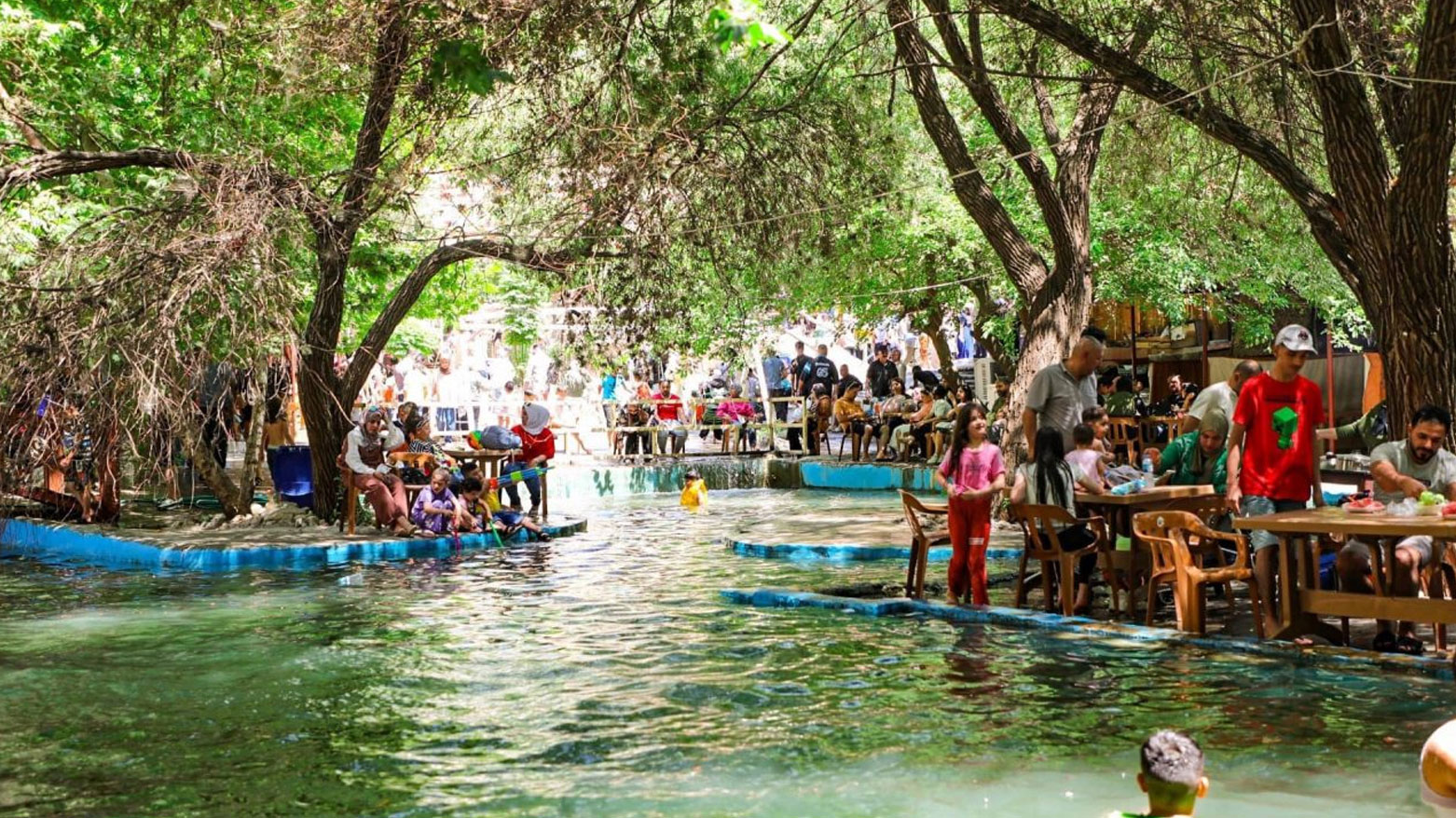
ERBIL (Kurdistan24) - The Kurdistan Regional Government (KRG) has achieved a significant milestone in its economic diversification agenda, recording more than $7.5 billion in tourism-related investments over the past five years. This capital influx underscores a strategic shift by the Ninth Cabinet to transform the tourism sector into a primary pillar of the regional economy, moving beyond a historical reliance on oil and gas revenues.
According to Ibrahim Abdulmajid, the spokesperson for the Kurdistan Region's General Board of Tourism, the prioritisation of this sector has transitioned from a policy objective into a tangible reality on the ground.
In a detailed statement provided to Kurdistan24 on Saturday, Abdulmajid revealed that more than 80 major tourism projects have been implemented since the current cabinet took office, representing a total capital investment of approximately $7.5 billion.
The momentum of this growth remains strong.
In 2023 alone, the General Board of Tourism licensed 39 new projects with an estimated value of $345 million.
This wave of investment is part of a deliberate government strategy to foster "sustainable tourism."
By modernising infrastructure and diversifying attractions, authorities aim to ensure that the Kurdistan Region remains a viable and attractive destination for visitors throughout all four seasons, rather than relying solely on peak summer or spring travel periods.
The scale of this expansion is reflected in the comprehensive data provided by the Board of Tourism.
The Region currently hosts more than 3,000 diverse tourist facilities and service centers, ranging from high-end hospitality to recreational hubs.
The hospitality infrastructure now includes 480 hotels and 282 motels, which are supported by a broader network of 44 tourist complexes and 20 dedicated tourist villages.
The growth has also spurred significant development in the food and beverage and entertainment sectors.
Statistics indicate that approximately 1,000 restaurants and fast-food outlets, alongside nearly 700 cafeterias, are now operational to cater to the rising number of domestic and international travelers.
Additionally, 28 large-scale amusement parks have been established, providing the necessary entertainment infrastructure to support family-oriented tourism.
This infrastructure surge is viewed by economic analysts as a critical driver of private-sector growth.
By facilitating massive private investment, the KRG is not only diversifying its state revenue sources but also generating significant employment opportunities for the local workforce.
The expansion of hotels and resorts requires a vast ecosystem of service providers, ranging from logistics and food supply to hospitality management, creating a ripple effect across the regional economy.
Beyond long-term infrastructure goals, the KRG is currently focused on the immediate requirements of the upcoming Eid holiday season. Abdulmajid detailed extensive preparations involving both public and private stakeholders to handle the expected surge in visitors.
A primary component of this plan is a high-level coordination effort with the Ministry of Interior to streamline the movement of tourists through checkpoints, ensuring a welcoming and efficient entry process for travelers arriving from other parts of Iraq and the surrounding region.
To maintain service quality and protect the interests of visitors, the Board of Tourism has activated monitoring committees across the Kurdistan Region's four provinces and four independent administrations. These committees are tasked with conducting field inspections and ensuring that all tourism facilities remain fully operational during the holiday period.
To address traveler concerns in real-time, authorities have established eight dedicated "Hotlines" to receive and respond to complaints or inquiries from tourists.
One of the most critical aspects of the government's oversight involves price regulation. During peak holiday travel, tourism destinations globally often struggle with price gouging.
To mitigate this, Abdulmajid stated that all establishments are legally obligated to display clear price lists for services, including cabins and gazebos.
He warned that any facility found to be manipulating prices or engaging in deceptive practices would face immediate legal consequences and penalties, as the government seeks to protect the reputation of the Kurdistan Region's hospitality industry.
The analytical dimension of this tourism boom suggests that the Kurdistan Region is successfully positioning itself as a stable and modern destination amid a wider regional environment often characterised by economic and geopolitical uncertainty.
By investing in permanent hospitality assets and entertainment infrastructure, the KRG is building an economic resilience that is less vulnerable to the fluctuations of global energy markets.
As the tourism sector continues to mature, the long-term objective of the Ninth Cabinet remains clear: to present the Kurdistan Region as a year-round, exemplary destination that offers a blend of natural beauty, modern hospitality, and secure environmental conditions.
This multi-billion dollar investment roadmap serves as a blueprint for a future where tourism stands as a central, sustainable driver of prosperity and development for the people of the Kurdistan Region.