Deadly Heatwave Sweeps India as Officials Warn of More Extreme Heat
At least 16 people have died from heatstroke in southern India as temperatures exceeding 45°C intensify a nationwide heatwave. Officials warned of worsening conditions, while soaring power demand and rising nighttime temperatures deepen concerns over climate-driven extreme weather.
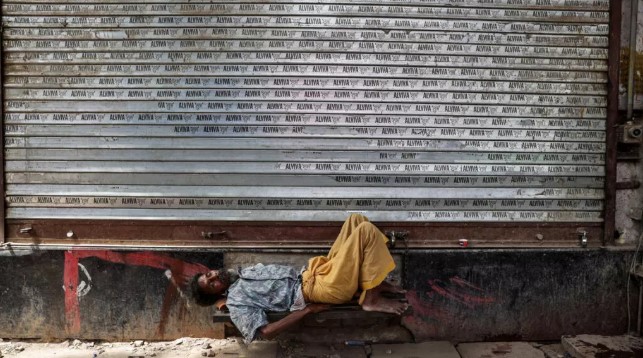
ERBIL (Kurdistan24) - At least 16 individuals have succumbed to heatstroke in southern India as a severe heatwave sweeps across the country, local officials confirmed on Sunday. The fatalities occur amid a summer season marked by soaring temperatures that have surpassed 45 degrees Celsius in multiple urban centers, placing a massive strain on the nation's public health systems and energy infrastructure.
The escalation of dangerous temperatures in South Asia is increasingly viewed by scientists and global policymakers as a primary indicator of the regional impact of climate change.
India's recurring extreme heat events are no longer considered seasonal anomalies but have evolved into a major national security and public health concern.
As heatwaves become longer, more frequent, and significantly more intense, they threaten to destabilize the social and economic fabric of the world's most populous nation, making the country a focal point for global climate adaptation studies.
The recent deaths were concentrated in the southern state of Telangana, where Revenue Minister Ponguleti Srinivasa Reddy has issued an appeal for "statewide vigilance."
In a statement released by his office, the minister described the current intensity of the heat as reaching "unprecedented levels." He directed local officials to disseminate advance warnings and clear instructions regarding the necessary precautions to mitigate the effects of the heatwave as temperatures continue to climb.
Medical professionals have raised alarms over the physiological toll of sustained exposure to such conditions.
According to reporting by Agence France-Presse (AFP), health experts noted that extreme heat triggers severe dehydration, which can lead to the thickening of the blood and, in severe scenarios, total organ failure.
Consequently, the local government in Telangana has specifically advised vulnerable populations, including the elderly, children, and pregnant women, to avoid outdoor activities during daylight hours unless absolutely essential.
The India Meteorological Department (IMD) recently issued comprehensive forecasts indicating that the current trend is unlikely to abate soon. The department has predicted that above-normal temperatures and "intense heatwave conditions" will continue to plague central and southern regions throughout the coming weeks.
In the capital, New Delhi, and its neighboring industrial hubs, thermometers have consistently hovered above 40 degrees Celsius for several consecutive days. This relentless thermal pressure has pushed India's power grid to the edge, as electricity demand for air conditioning and industrial cooling has spiked to unprecedented heights.
A particularly dangerous aspect of the current crisis is the high overnight minimum temperatures. Unlike previous years, where evenings provided a cool reprieve, nighttime temperatures remain elevated in many regions, offering little physiological respite to those without access to advanced climate control.
While the heatwave causes immediate human suffering, it also highlights the broader geopolitical and environmental tensions India faces as a global power. As the world's most populous nation and its third-largest emitter of greenhouse gases, India is at a crossroads between development and sustainability.
The nation remains heavily dependent on coal for power generation, making its 2070 net-zero target a distant, albeit essential, goal.
However, many environmental advocates argue that the 2070 timeline, which lags two decades behind much of the industrialized West, may be too slow given the rapid intensification of climate-related disasters like the current heatwave.
The current crisis recalls the record-breaking summer of 2016, when temperatures in Phalodi, Rajasthan, reached 51 degrees Celsius—the highest ever officially recorded in India.
The mounting death toll and infrastructure pressure are placing Indian authorities under significant scrutiny.
There is an increasing demand for the government to strengthen heat preparedness plans and enhance public health responses. As climate-driven weather events become the new norm in South Asia, the ability of the government to safeguard its 1.4 billion citizens from the hazards of extreme heat remains one of the most pressing challenges of the decade.