Kurdish Lawmaker Points to Weak Implementation of Federal Deals in Baghdad
KDP MP Sherwan Dubardani said Iraq's Finance Minister's presence in Baghdad talks signals a possible breakthrough on salary payments, but stressed urgency with less than 24 hrs before Eid al-Adha. He also noted Iraq's interest in adopting the "Runaki" electricity model.
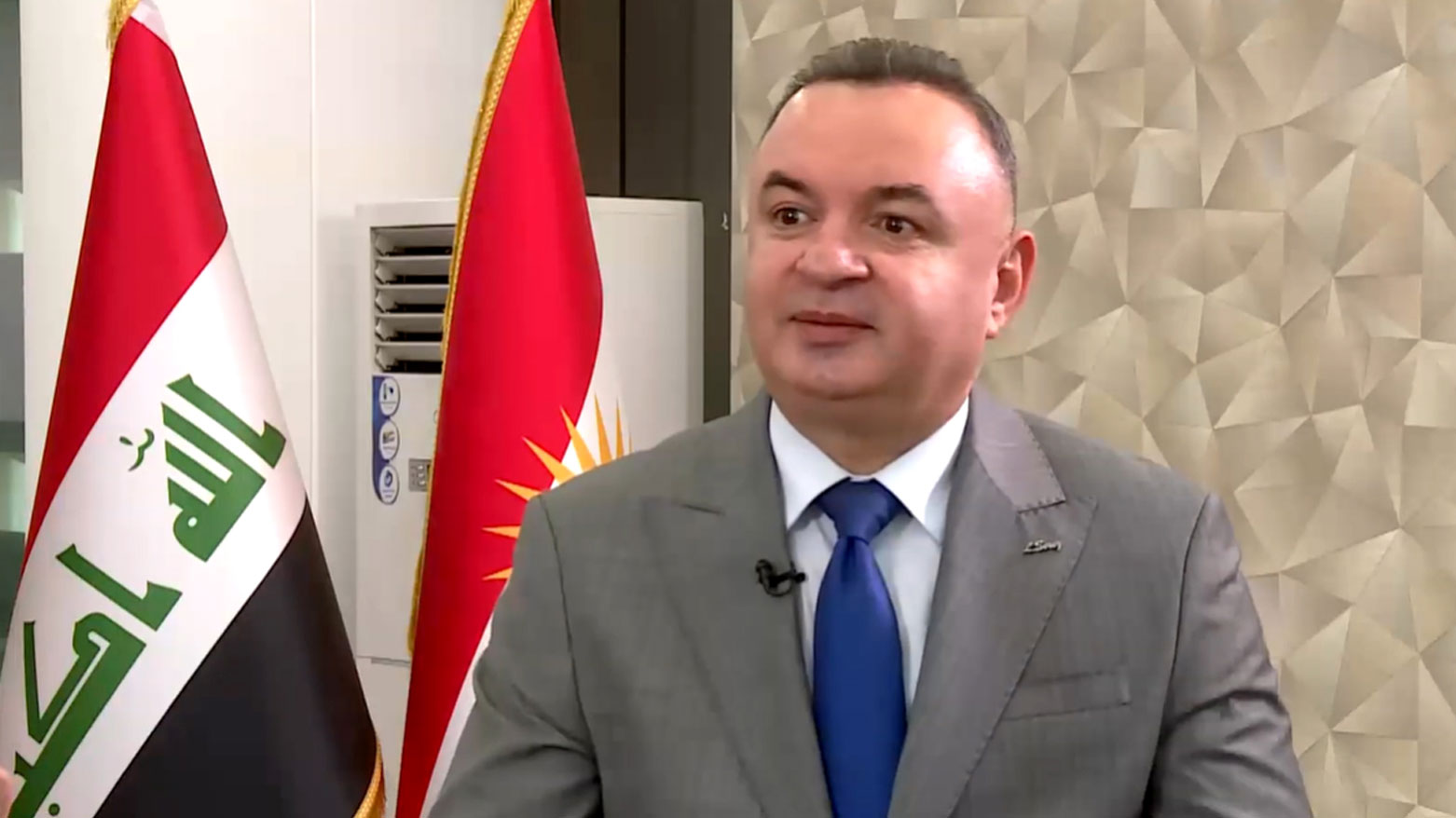
ERBIL (Kurdistan24) - Sherwan Dubardani, a Kurdistan Democratic Party (KDP) representative in the Iraqi Parliament, issued a sharp critique of the political climate in Baghdad on Sunday, asserting that many federal political factions fail to honor signed agreements.
Speaking in a special interview with Kurdistan24, the lawmaker highlighted a critical high-level meeting scheduled for tonight that could determine the fate of public sector salary payments ahead of the Eid al-Adha holiday.
The meeting, hosted by Ammar al-Hakim, will bring together Kurdistan Region Prime Minister Masrour Barzani and the Iraqi Minister of Finance.
Dubardani noted that the presence of the Finance Minister at the dinner and subsequent discussion indicates a potential breakthrough regarding the distribution of employee wages. However, he emphasized the urgency of the situation, noting that less than 24 hours remain before the official start of the holiday.
A central theme of Dubardani's remarks was the systemic failure of political actors in Baghdad to adhere to negotiated settlements.
He argued that while successive Iraqi Prime Ministers have frequently promised to resolve outstanding disputes, the implementation of these solutions is often stymied by political parties that disregard their own commitments.
"Political parties in Baghdad often do not adhere even to signed agreements," Dubardani told Kurdistan24, expressing a deep-seated skepticism regarding the reliability of federal political promises.
He specifically appealed to the various blocs to separate the humanitarian and administrative issue of civil servant pay from broader, more complex political friction between Erbil and Baghdad.
According to the lawmaker, the KDP remains committed to its pledges and expects the same level of integrity and respect for agreements from its federal counterparts.
The parliamentarian also addressed the precarious security environment, casting doubt on assurances given to prevent attacks on the Kurdistan Region.
While he acknowledged that promises of protection have been made, he questioned the actual capacity of the central authorities to enforce control over the actors responsible for such hostilities.
Dubardani suggested that current realities on the ground indicate a lack of effective oversight regarding these security threats.
Turning to the broader challenges of government formation in Iraq, Dubardani indicated that significant institutional hurdles remain. He pointed to ongoing disputes involving Nouri al-Maliki and various lawsuits currently pending before the Federal Court as major factors delaying political progress.
Within this context, he noted that the KDP has not yet decided on its definitive parliamentary candidate, stating it is yet to be determined if the party will retain Rebaz Hamlan as its nominee or opt for a different representative.
Finally, Dubardani commented on the federal government's interest in adopting the Kurdistan Region's "Runaki" electricity model, which seeks to provide 24-hour power while eliminating reliance on private generators. While he characterized the initiative as vital for Iraq's infrastructure, he warned of unique obstacles in the capital.
He noted that certain areas in Baghdad are under the influence of armed groups that use force to maintain control over local interests, creating an uncertain environment for the government's reform efforts.
Dubardani's warnings reflect the continued fragility of the relationship between Erbil and Baghdad. His remarks underscore a landscape defined by weak compliance with political agreements and ongoing institutional dysfunction, leaving the outcome of current negotiations, and the stability of the federal system, in a state of persistent uncertainty.