Iraqi PM al-Zaidi Seeks Full Cabinet to Advance Stability and Reform Agenda
Lawmakers aim to hold a final confidence vote within two weeks, but unresolved portfolios and Supreme Court appeals threaten to delay the process.
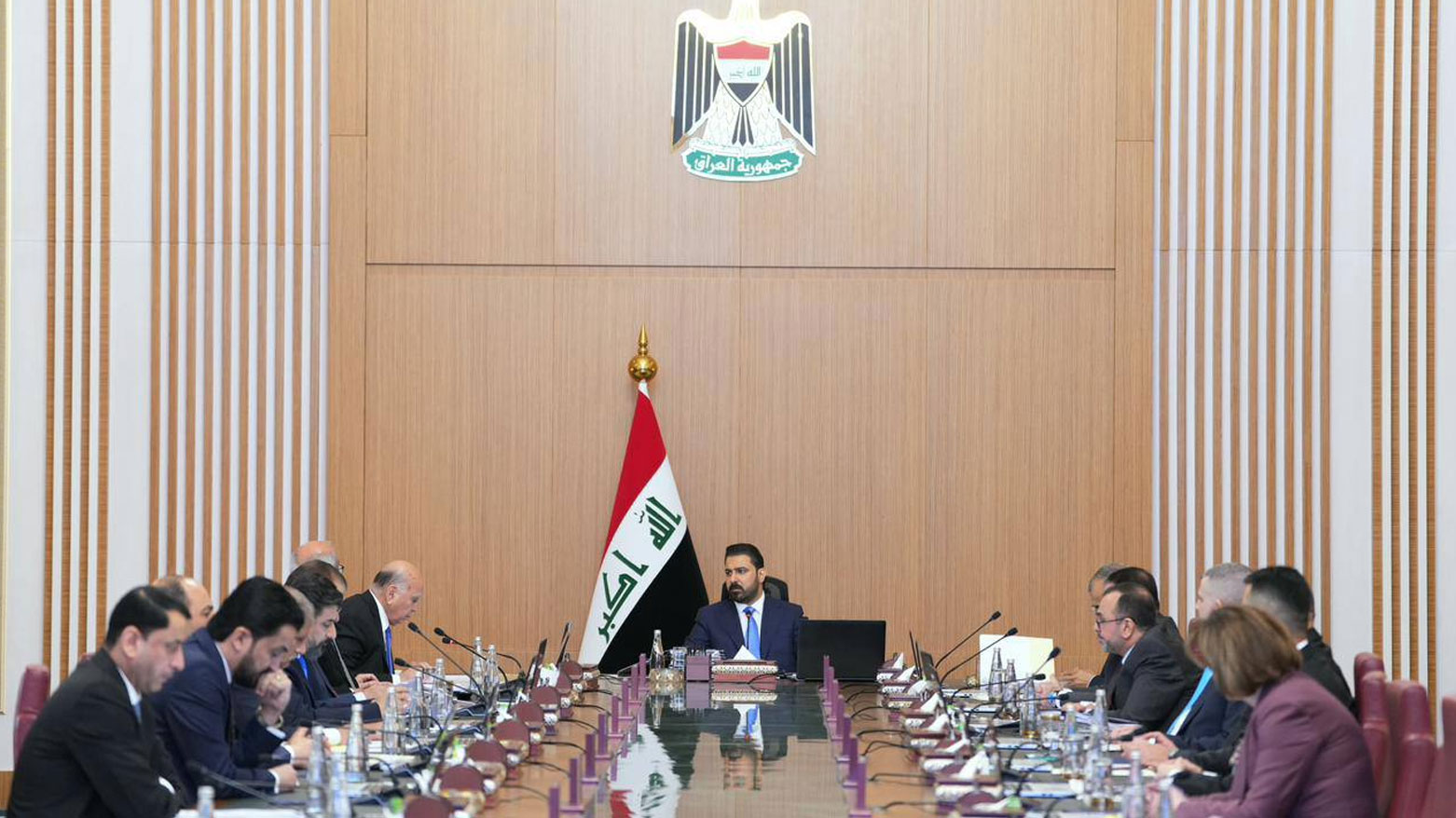
ERBIL (Kurdistan24) - A coalition of Iraqi political factions intends to hold a parliamentary confidence vote to fill the remaining vacancies in Prime Minister Ali al-Zaidi's cabinet within the next 10 to 15 days, according to a source within the ruling Coordination Framework who spoke to Kurdistan24 on Sunday.
The renewed push to finalize the government comes just over two weeks after lawmakers approved a majority of the new administration's ministers, but ultimately postponed action on several key portfolios due to last-minute disputes.
A Vision for Stability and Governance
The Iraqi Parliament convened a high-profile session on May 14, attended by Kurdistan Region President Nechirvan Barzani and other senior political leaders.
Lawmakers overwhelmingly approved al-Zaidi's government program and granted confidence to 14 ministers, cementing leadership for vital ministries including Foreign Affairs, Finance, Oil, Health, and Education.
For al-Zaidi, completing the cabinet is not merely a procedural obligation, but a fundamental requirement for executing his mandate.
Following the initial parliamentary approvals, the new prime minister took to the social media platform X to emphasize that the confidence vote was a solemn commitment to the Iraqi public.
He stressed that a fully realized, unified government is essential to advancing national stability, reinforcing state authority, and delivering justice and improved living standards.
With the core of his government now in place, the successful installation of the remaining ministers is seen as a critical test of the administration's ability to maintain political consensus and fulfill its promises of sweeping state-building reforms.
Overcoming Political Gridlock
Despite the early momentum of the May 14 session, deeply entrenched political disagreements forced the Speaker of Parliament to halt the proceedings before the entire cabinet could be confirmed.
To resolve the deadlock, the Coordination Framework is scheduled to meet this week to negotiate the final selection process.
The alliance source informed Kurdistan24 that candidates for the delayed ministries, as well as those who failed to secure enough votes in the first round, will be presented to parliament once again, noting that the coalition remains determined to finish forming the government as quickly as possible.
Among the most prominent vacancies is the Ministry of Construction and Housing.
This portfolio is officially allocated to the Kurdish political components, specifically the Kurdistan Democratic Party (KDP), making its resolution a key factor in preserving the delicate ethno-sectarian power-sharing balance of the federal government.
Legal Hurdles and the Path Forward
While the Coordination Framework aims for a rapid conclusion, the targeted timeline remains highly fragile.
Ashwaq Jaf, a KDP Member of Parliament, informed Kurdistan24 that the legislature has not yet scheduled an official date to vote on the outstanding cabinet positions.
The delay is severely compounded by ongoing legal challenges.
Jaf noted that several ministerial candidates who were rejected by lawmakers during the initial May 14 session have since filed formal appeals with the Iraqi Federal Supreme Court.
Until the judiciary issues a definitive ruling on these petitions, parliament is legally paralyzed from voting on replacement nominees for those specific roles.
To finalize the federal government, Iraq's political blocs must now simultaneously navigate courtroom delays and intense backroom negotiations.
Only when the Federal Supreme Court clears its legal docket and factional leaders reach an agreement on the remaining distribution of power will parliament reconvene, allowing al-Zaidi to complete his cabinet and fully launch his governance agenda.