Kurdistan Region Overhauls Autism Care Infrastructure Amid Push for Expanded Financial Rights
KRG Minister of Labor Kwestan Mohamad announced efforts to secure financial rights for 3,927 children diagnosed with autism, of which only 310 receive monthly allowances. Autism centers expanded from 11 to 69, as the ministry pushes Baghdad for 2026 budget allocations to support families.
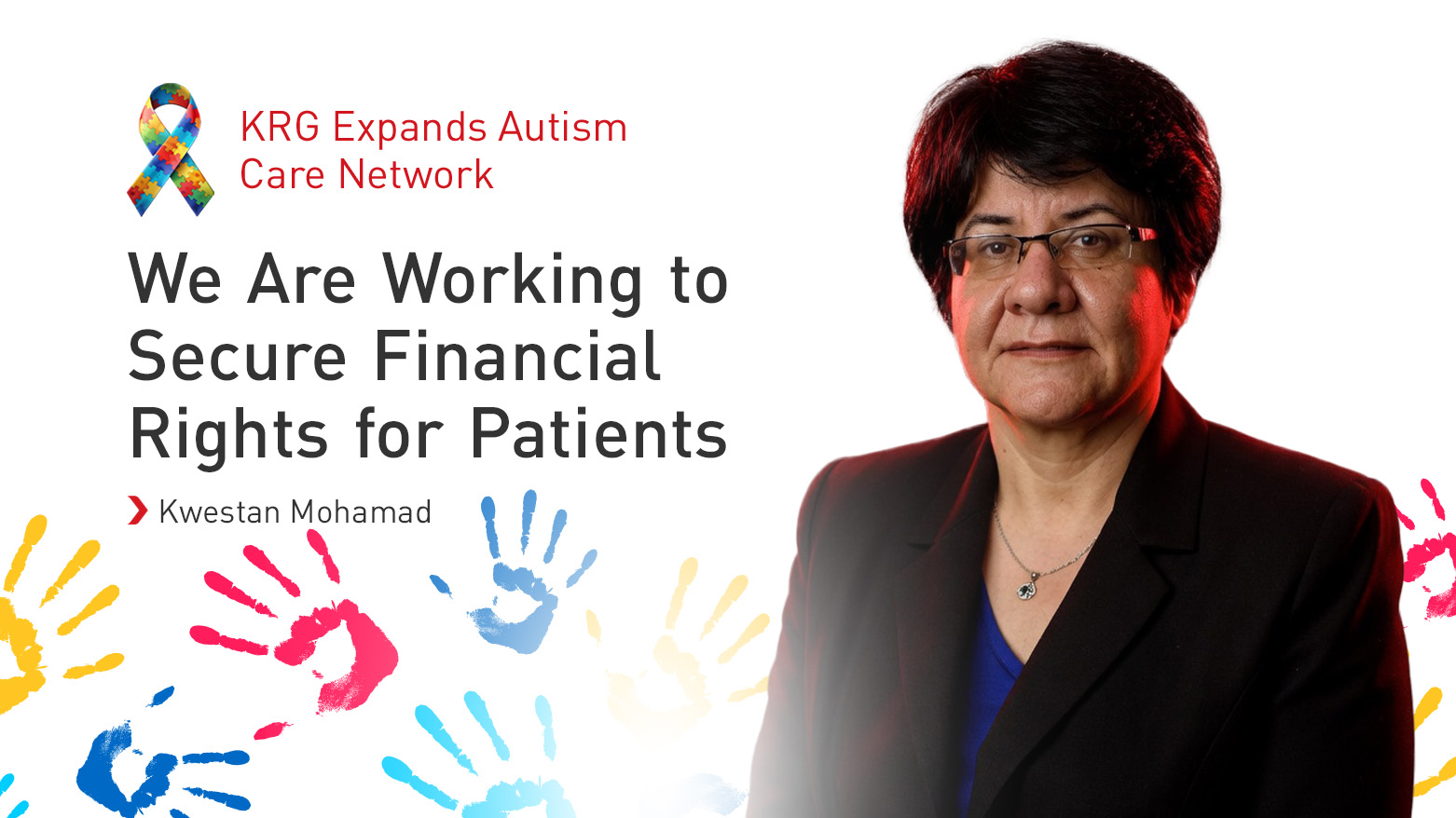
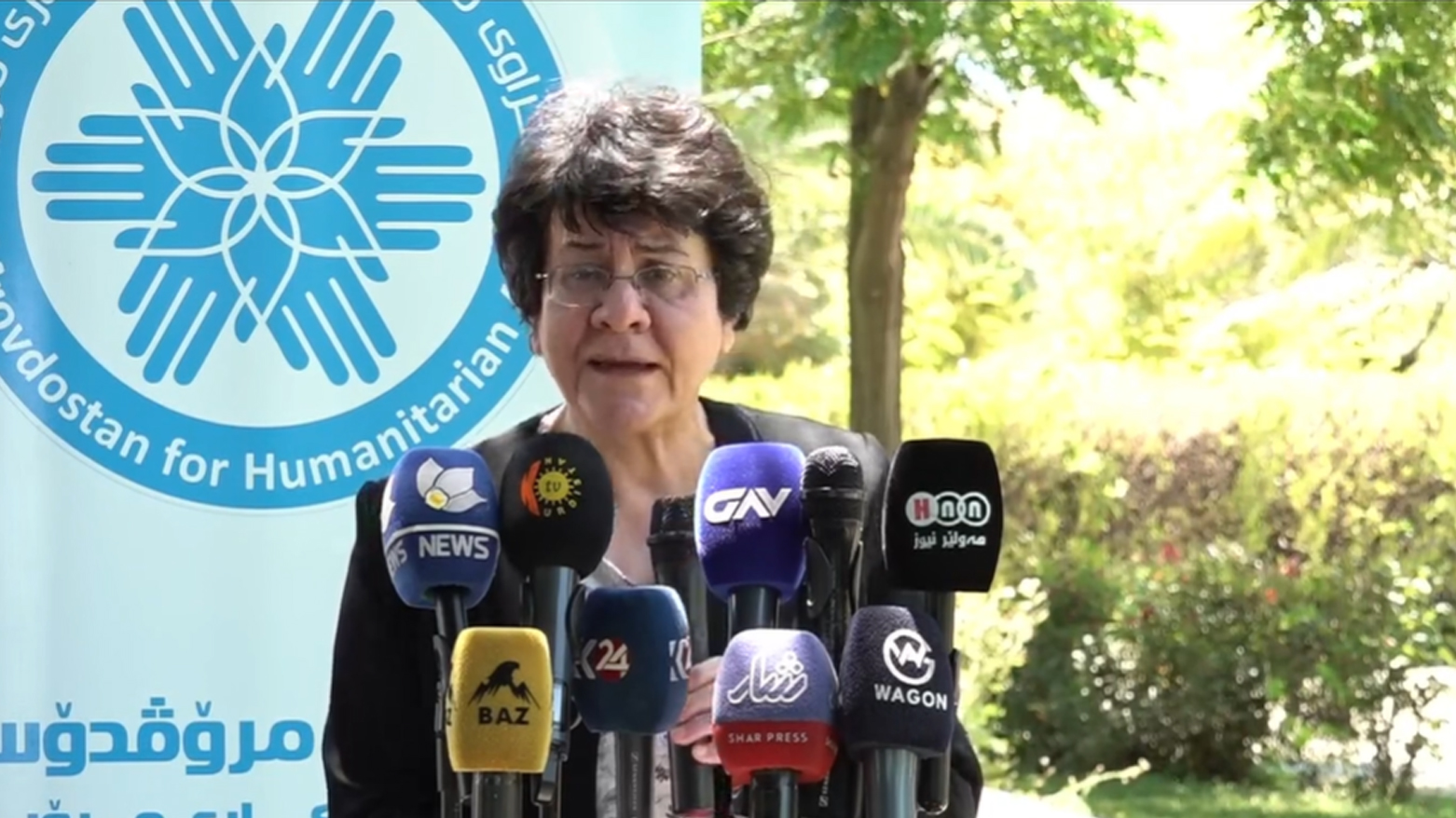
ERBIL (Kurdistan24) - Kwestan Mohamad, the Kurdistan Regional Government's (KRG) Minister of Labor and Social Affairs, outlined a sweeping overhaul of autism care and disability services on Monday. Speaking at a press conference, the minister emphasized her department's urgent ongoing efforts to secure essential financial rights for autism patients, framing the initiative within the KRG's broader push for inclusive social welfare policies and disability rights.
The press briefing highlighted a massive infrastructural leap in specialized care.
Mohamad revealed that the region's autism centers have surged from a mere 11 facilities, comprising three public and eight private institutions, at the start of the current cabinet's tenure, to 69 active centers today. The network now includes 13 public and 56 private facilities.
This rapid transformation stems directly from targeted regulatory reforms designed by the Ministry of Labor and Social Affairs.
By amending guidelines to actively incentivize private sector participation, the ministry successfully fostered market competition.
This strategy directly alleviated the financial strain on families, driving down exorbitant service fees that had previously soared to $1,000 per child.
To ensure that rapid expansion does not compromise care, the ministry coupled its privatization push with stringent quality control mechanisms.
Mohamad detailed the establishment of specialized, high-level monitoring committees deployed to audit clinical and therapeutic standards across the newly expanded network.
This rigorous oversight ensures adherence to modern care protocols and has already led to the permanent closure of several centers found operating in violation of the ministry's strict regulatory compliance mandates.
Currently, these modernized facilities provide critical services to 1,756 children across the region. However, the broader demographic reality underscores the scale of the challenge, with 3,927 children officially diagnosed with autism in the Kurdistan Region.
Recognizing the immense daily challenges these families navigate, the KRG has instituted substantial caregiver reforms.
The ministry recently amended its "Caregiver Leave" policy; in households caring for multiple autistic children, both parents are now legally eligible for specialized leave, ensuring better home support. To date, 569 parents have utilized this vital welfare provision.
Despite significant infrastructural and social advancements, a severe financial gap remains a primary hurdle. Mohamad disclosed that of the 3,927 diagnosed children, only 310 currently receive a government-issued monthly allowance. To rectify this inequity, the ministry recently finalized comprehensive medical evaluations for all remaining children.
emonstrating the scale of the regional need, Mohamad stated that the comprehensive files of 16,000 individuals with diverse disabilities have been formally submitted to the federal government in Baghdad.
To guarantee these rights are recognized, she confirmed that a dedicated ministry delegation will travel to the Iraqi capital to actively negotiate during the 2026 federal budget discussions, aiming to secure dedicated allocations for these monthly stipends.
While awaiting federal budget resolutions, the KRG has enacted immediate institutional relief measures.
Under directives approved by the Prime Minister's office, children with autism are now guaranteed free medical examinations and treatment across all public hospitals in the Kurdistan Region.
Furthermore, to ease the logistical and psychological burdens of travel, these individuals and their families are now granted priority processing at airports, effectively eliminating stressful wait times.
These policy shifts represent a critical evolution in the Kurdistan Region's broader social welfare and disability inclusion framework.
During her address, Mohamad expressed gratitude for the ongoing collaboration between public sector agencies, private healthcare providers, and humanitarian organizations, which has been instrumental in supporting families with special needs.
As the Ministry of Labor and Social Affairs prepares for its high-stakes financial negotiations in Baghdad, the regional government's dual focus on infrastructure growth and financial advocacy signals a firm, forward-looking commitment to building a more accessible, equitable, and financially secure environment for its most vulnerable citizens.