Trump Expected to Attend NATO Summit in Ankara, Turkish FM Says
Hakan Fidan says US and Iran making “sincere” efforts on ceasefire extension, warns Israeli actions in Lebanon could derail talks
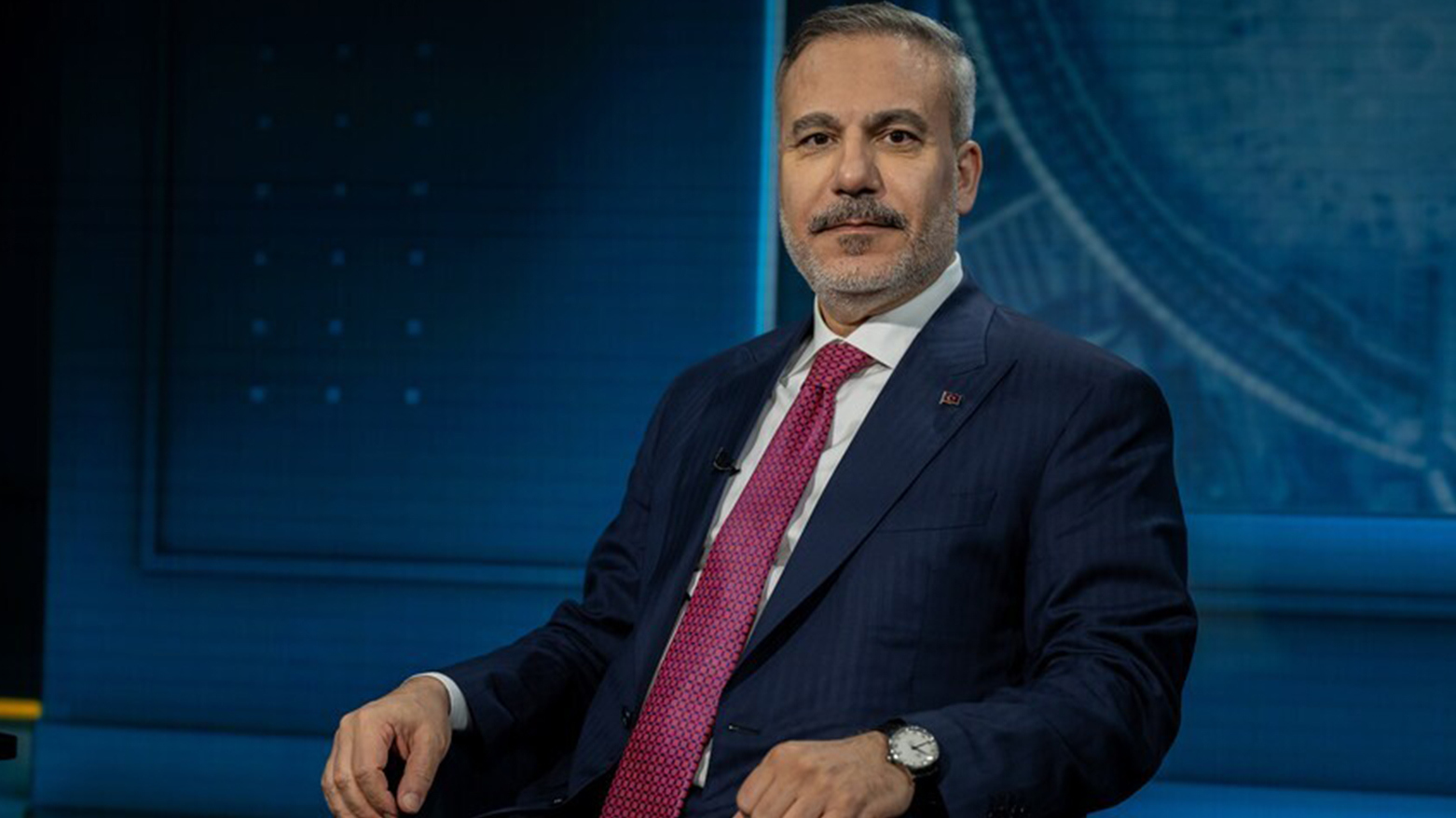
ERBIL (Kurdistan24) — US President Donald Trump is expected to attend the upcoming NATO summit scheduled for July 7–8 in Ankara, Turkish Foreign Minister Hakan Fidan said on Tuesday, while also pointing to ongoing diplomatic efforts involving the United States and Iran aimed at sustaining a fragile ceasefire in the Middle East.
Speaking to Bloomberg TV during a visit to Singapore, Fidan said Ankara understood that Trump intended to participate in the summit based on recent communications with Turkish President Recep Tayyip Erdogan.
“As far as we know, yes, he plans to attend,” Fidan said when asked whether the US president would travel to Ankara.
He added that Erdogan and Trump held several phone calls last month, during which the US president repeatedly indicated his intention to attend the NATO gathering.
Fidan emphasized that despite periodic political rhetoric questioning US commitment to the alliance, Washington remains firmly engaged in NATO structures.
“There are no signs that Washington intends to act on warnings that it could withdraw from NATO,” he said, adding that both the US State Department and the Pentagon continue close cooperation with alliance partners.
He also noted that Washington continues to push European allies to increase defense spending and assume greater responsibility for collective security, a message he said has already prompted budget increases across Europe.
“When leaders come together, we will review the progress achieved,” Fidan said.
US–Iran diplomacy and regional tensions
Turning to Middle East developments, Fidan said both Washington and Tehran are making “sincere” efforts to extend the current ceasefire, underscoring Türkiye’s support for ongoing negotiations.
However, he warned that Israeli military operations against Hezbollah in southern Lebanon risk undermining diplomatic progress.
“I am sure the Americans and the Iranians are sincere. They want a ceasefire and the reopening of the Strait of Hormuz, but I am not sure about Israel’s intentions,” he said.
Fidan said he recently discussed the situation in Lebanon with Iranian Foreign Minister Abbas Araghchi, noting Tehran’s view that Israel’s actions constitute violations of existing understandings.
According to him, Iran continues to engage in negotiations under the belief that a broader ceasefire framework had been agreed with Washington, but Israeli escalation could make continued diplomacy “extremely difficult.”
He also referenced comments attributed to Trump following a call with Israeli Prime Minister Benjamin Netanyahu, in which both sides reportedly agreed not to attack each other.
Fidan said mediators are working to preserve diplomatic channels and prevent renewed escalation, warning that a return to conflict could have severe global economic consequences, particularly for energy markets and inflation.
Regional economic pressure
The Turkish foreign minister also highlighted the economic impact of regional conflicts on Türkiye, noting that the country’s growth model—driven by exports, tourism, and industry—remains vulnerable to external shocks.
He said successive crises, including the COVID-19 pandemic, the Russia–Ukraine war, and the Iran-related conflict, have contributed to rising energy costs and inflationary pressure.
While Türkiye benefits from diversified pipeline imports from Russia, Azerbaijan, and Iran, he said global price increases continue to affect the domestic economy.
Fidan concluded by stressing that diplomatic efforts remain focused on preventing further escalation and creating conditions for stability, development, and trade across the region.
He also said he was not aware of any immediate plans for a US dollar swap line with Washington, adding that such financial arrangements would require internal government consultation and presidential approval.