Senior Iranian Official Warns of Wider Regional War if U.S.-Iran Talks Collapse
Mohsen Rezaee says the release of $24 billion in frozen Iranian assets remains central to negotiations as Tehran threatens to expand conflict beyond the Gulf
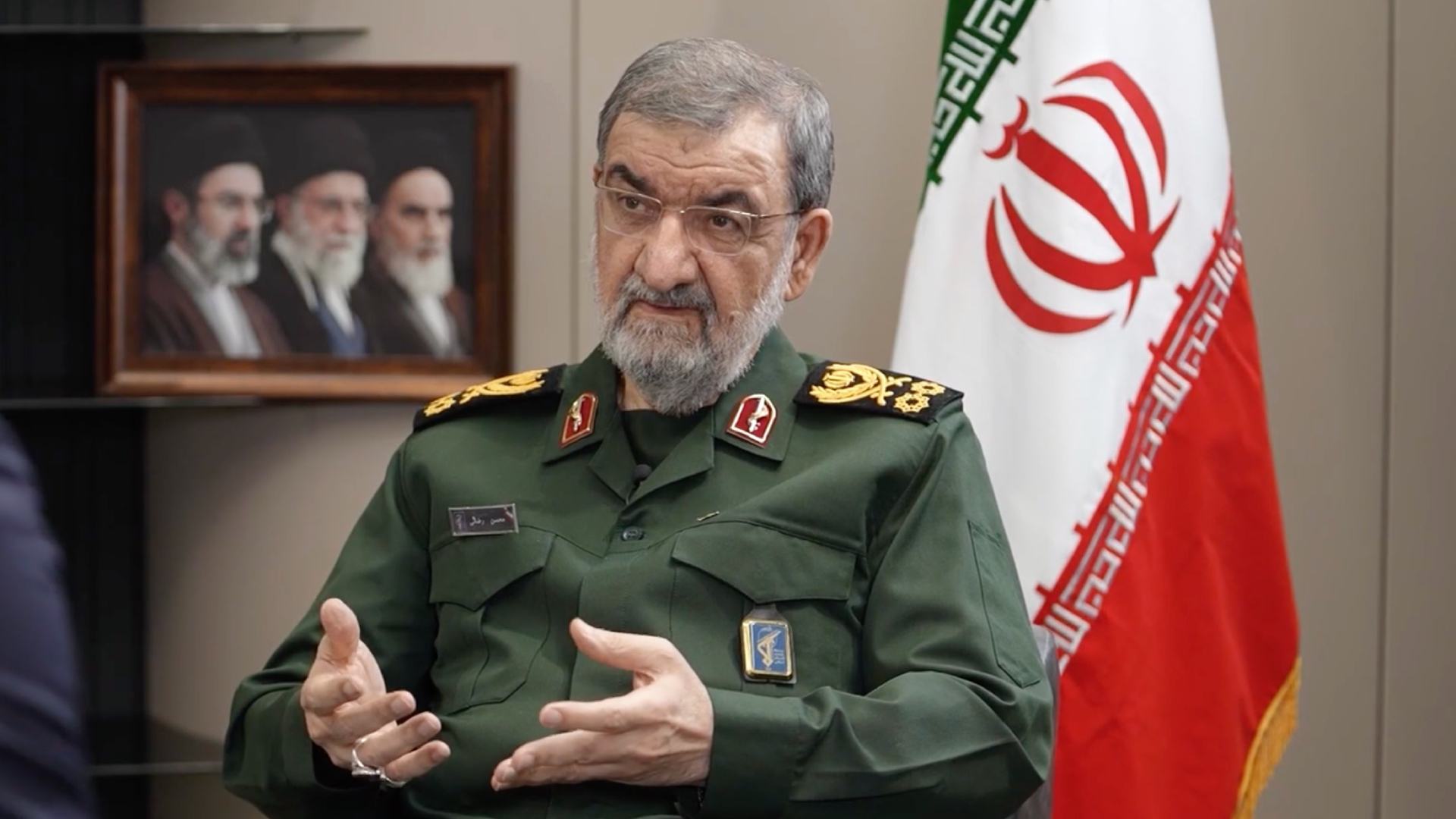
ERBIL (Kurdistan 24) – Senior Iranian official Mohsen Rezaee said the future of negotiations between Tehran and Washington may depend on the release of $24 billion in frozen Iranian assets, describing the issue as a crucial test of trust between the two sides.
In an interview with CNN published on Friday, Rezaei said diplomatic efforts have reached a critical stage and suggested that the next move rests with U.S. President Donald Trump.
“The negotiations are at a deadlock, and Trump must break this deadlock,” Rezaei said. “The ball is in Trump’s court.”
According to Rezaei, Iran is seeking the phased release of the funds, with $12 billion becoming available after an interim agreement and the remaining $12 billion released at a later stage. He characterized the proposal as a confidence-building measure rather than a concession, arguing that the assets belong to Iran and should be returned as part of any broader understanding.
The comments offer a rare glimpse into the thinking of Iran’s political and security establishment as indirect talks continue through regional mediators. Rezaei, a former commander of the Islamic Revolutionary Guard Corps and a longtime member of Iran’s Expediency Council, remains one of the country’s most influential strategic figures.
While emphasizing diplomacy, Rezaei also warned that a breakdown in negotiations could lead to renewed instability. He said Iran would not remain confined to the Persian Gulf if hostilities resumed, suggesting that any future conflict could affect strategic waterways stretching from the Indian Ocean and Bab-el-Mandeb Strait to the Red Sea and Mediterranean Sea.
The senior Iranian official further reiterated Tehran’s position on the Strait of Hormuz, maintaining that Iran and Oman share responsibility for the management of the waterway and arguing that vessels using the route could be required to contribute to its maintenance.
His remarks come as negotiations continue over sanctions relief, frozen Iranian assets, maritime security, and restrictions on Iran’s nuclear program. Although President Trump recently said talks were “proceeding nicely,” major disagreements remain between the two sides on the scope of a final agreement and the sequencing of concessions.
Rezaei also expressed skepticism about the long-term durability of any accord, citing Washington’s withdrawal from the 2015 nuclear agreement and arguing that Tehran remains cautious about future U.S. commitments.
Despite the ongoing diplomacy, he stressed that Iran remains prepared for any scenario, while maintaining that a negotiated settlement remains preferable to renewed confrontation.