Iran's Araghchi Tells Lebanese President to Save Country From 'Real Enemy' Israel
Iran's foreign minister sharply rebuked Lebanese President Joseph Aoun after the latter accused Tehran of interfering in Lebanon's affairs
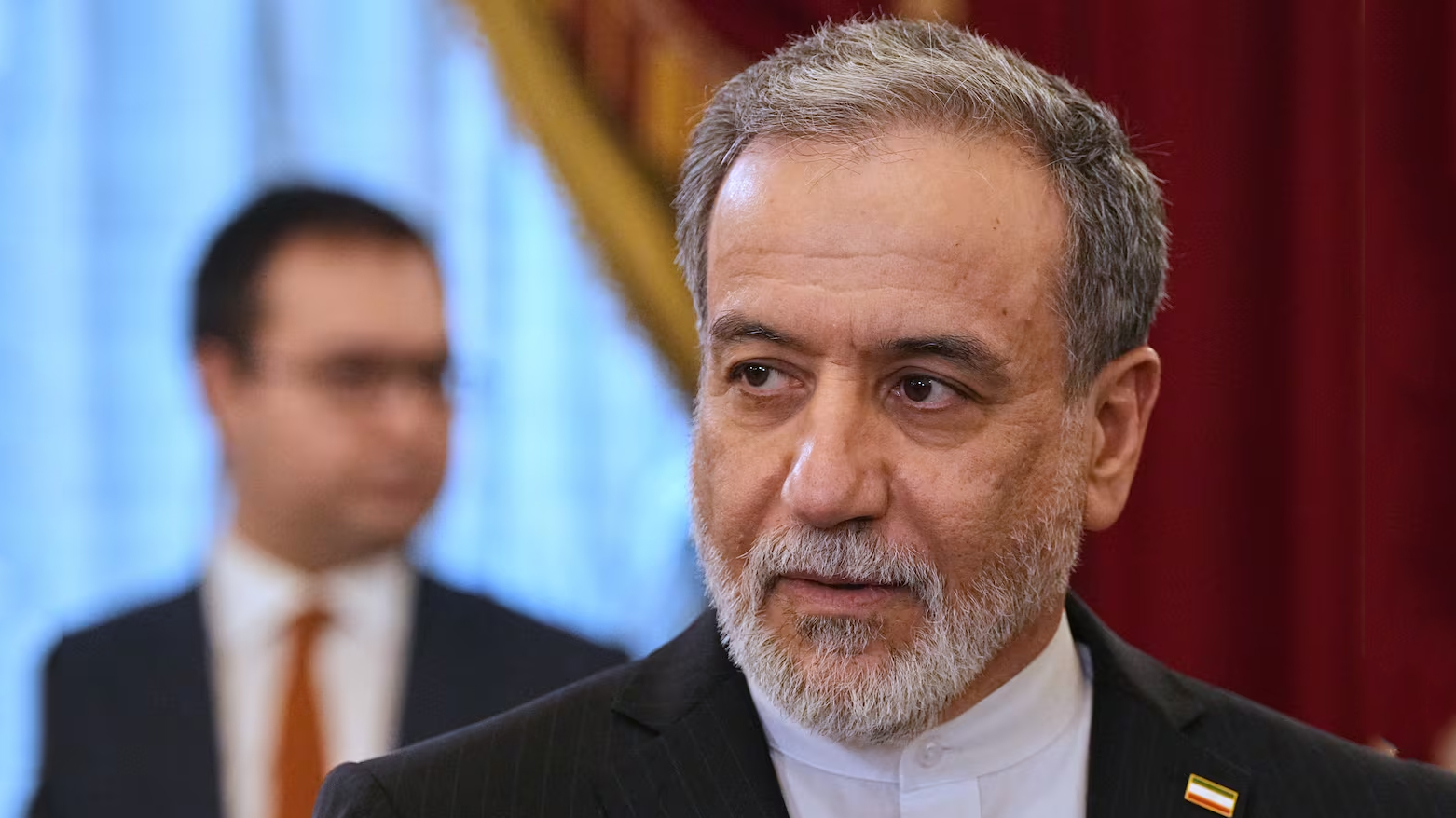
ERBIL (Kurdistan24) - A war of words erupted between Tehran and Beirut on Saturday after Iranian Foreign Minister Abbas Araghchi responded forcefully to criticism from Lebanese President Joseph Aoun, urging him to focus on confronting Israel rather than blaming Iran for Lebanon's crisis.
The exchange comes amid escalating tensions over Iran's role in Lebanon, ongoing direct talks between Lebanon and Israel, and efforts to secure a broader ceasefire linked to regional negotiations between Tehran and Washington.
Writing on X on Saturday, Araghchi dismissed Aoun's remarks and argued that Iran was being unfairly portrayed as responsible for Lebanon's suffering.
"Based on Mr. Aoun's statements, one might think that Iran occupied one-fifth of Lebanon, displaced a quarter of its population, and bombed the country every day," Araghchi wrote.
"If Lebanon were a bargaining chip for Iran, we would have reached an agreement long ago. Save Lebanon from your real enemy, Mr. President."
His comments came one day after Aoun, in an interview with CNN, called on Iran to stop interfering in Lebanese affairs following the collapse of a new ceasefire announced by Washington between Israel and the Iran-backed Hezbollah movement.
Aoun stated: "This is not your country; it is our country. Your duty is not to interfere in our affairs. Our people are being killed, and our homes are being destroyed."
Aoun has faced opposition from Hezbollah and segments of Lebanese society since the launch of direct negotiations with Israel, the first such talks between the two countries in decades despite the absence of diplomatic relations.
Lebanese Prime Minister Nawaf Salam has also urged Iran to stop using Lebanon as a bargaining tool to improve its position in negotiations with the United States.
Tehran, however, has insisted that any agreement with Washington aimed at ending the broader regional conflict must include a ceasefire on the Lebanese front and a withdrawal of Israeli forces.
The current conflict began on March 2, following Hezbollah rocket attacks against Israel in response to the killing of Iran's Supreme Leader Ali Khamenei during initial U.S.-Israeli strikes on Iran.
Israel subsequently launched a large-scale military campaign involving extensive airstrikes and ground operations in southern Lebanon.
According to the latest official figures, Israeli strikes have killed more than 3,560 people in Lebanon since the conflict began. On the Israeli side, 27 soldiers and one civilian contractor have been killed in Lebanon.
The latest exchange highlights the widening political divide over Lebanon's future as the country navigates war, negotiations, and competing regional pressures.
While Lebanese leaders continue to push for an end to the conflict and a restoration of state authority, Tehran maintains that any lasting settlement must address both Israeli military operations and broader regional security concerns.