Sulaimani Completes Preparations for New Taximeter System Ahead of KRG Approval
Sulaimani's transport authorities say preparations for the new taximeter system are complete, with implementation awaiting final KRG approval as part of broader transportation reforms designed to ensure transparent taxi fares and strengthen public confidence.
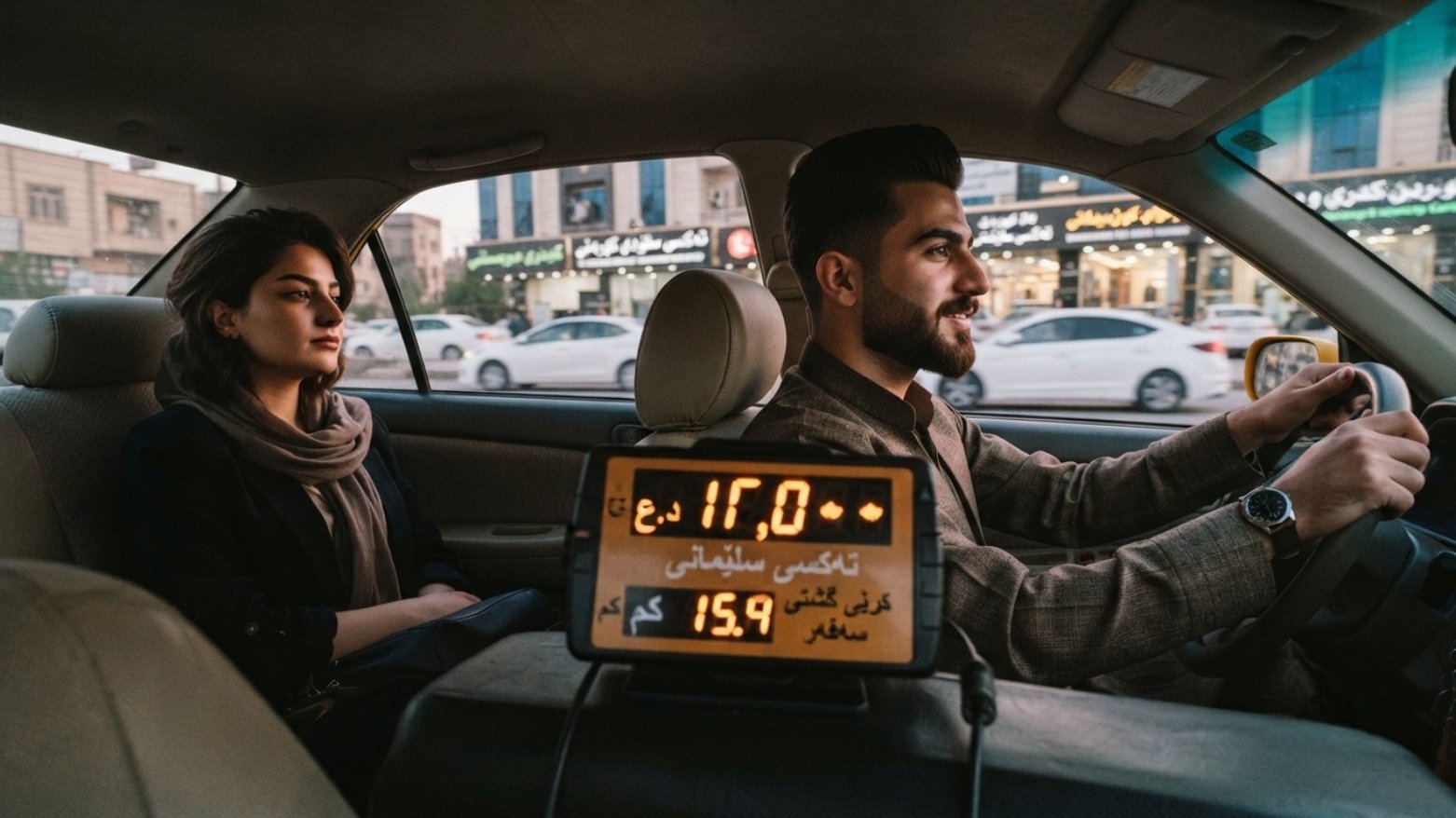
ERBIL (Kurdistan24) - Sulaimani is preparing to introduce a new electronic taximeter system that officials say will bring greater transparency, consistency and accountability to one of the Kurdistan Region's busiest public transportation sectors, with local authorities confirming that all technical and administrative preparations have been completed ahead of the project's launch.
The initiative now awaits final authorization from the Kurdistan Regional Government's Ministry of Transport and Communications before it can move into implementation, marking what officials describe as an important milestone in the modernization of taxi services.
Jamil Kamal, Director of Transport for Sulaimani, told Kurdistan24 that the governorate has completed its responsibilities for the project and is ready to proceed once approval is issued by the ministry.
Rather than introducing higher transportation costs, Kamal emphasized that the new system has been designed with passengers' interests at its core.
The objective, he said, is to replace inconsistent fare negotiations with a standardized pricing model that allows travelers to know how fares are calculated from the beginning of each journey.
The taximeter will activate automatically when a passenger enters the vehicle, removing uncertainty over when fare calculations begin and helping establish a uniform process for every trip.
Officials also outlined a pricing mechanism intended to make longer journeys proportionally more affordable. Instead of applying a fixed rate for every kilometer traveled, the proposed model reduces the cost per kilometer as the journey length increases.
Kamal offered an example in which the first kilometer could carry a higher charge than subsequent kilometers, creating a graduated pricing structure that he said is intended to benefit passengers while reflecting the economics of longer trips.
The approach represents a shift away from fare arrangements that often depend on direct negotiation between drivers and passengers, replacing them with an automated system designed to provide predictable and transparent pricing.
Implementation will take place in phases across the Kurdistan Region. According to Sulaimani's transport directorate, Erbil will become the first city to introduce the system before the rollout expands to Sulaimani and other governorates.
Officials said taximeter devices will not be distributed simultaneously to every taxi. Instead, installation will occur in stages, allowing authorities to manage implementation while ensuring participating vehicles meet regulatory requirements.
A key condition is that drivers must first obtain the government's approved taxi identification and official branding before receiving a taximeter device.
Authorities view this requirement as an important element of broader efforts to standardize taxi services and strengthen regulatory oversight throughout the sector.
The measure is intended to ensure that only officially recognized taxis participate in the new system, making it easier for passengers to identify licensed vehicles while improving accountability across the industry.
The scale of the reform illustrates its potential impact on daily transportation.
According to the Ministry of Transport and Communications, approximately 90,000 taxis currently operate across the Kurdistan Region, including more than 32,000 in Sulaimani alone.
Introducing standardized electronic fare calculations across such a large fleet would affect one of the Region's most frequently used public services.
For passengers, officials expect the system to reduce disagreements over fares while providing greater confidence that prices are calculated consistently. Taxi operators, meanwhile, would benefit from a clearly defined pricing framework that reduces uncertainty and establishes common operating standards.
The Sulaimani initiative also forms part of a wider transportation modernization strategy pursued by the Kurdistan Regional Government.
Transport and Communications Minister Ano Abdoka has previously described the taxi meter project as the next phase of reforms intended to bring the Region's taxi industry closer to internationally recognized standards.
Read More: KRG Nears Launch of Taxi Meter System to Ensure Fair Fares, Minister Says
Those reforms have already introduced official identification cards, unified vehicle branding and standardized markings, placing more than 71,000 taxis within a regulated framework designed to improve oversight and reduce complaints.
The planned taximeter system builds upon those earlier measures by introducing transparent electronic fare calculations that officials believe will strengthen public confidence while further professionalizing the industry.
The project also complements the ministry's broader emphasis on digital governance across the transportation sector, including expanded electronic monitoring, digital licensing systems and technology-driven oversight intended to improve efficiency and regulatory compliance.
Taken together, these initiatives reflect a long-term strategy aimed at modernizing public transportation through clearer regulations and greater use of digital technologies rather than relying solely on traditional administrative controls.
For Sulaimani, the completion of local preparations represents an important step toward that broader objective.
Once final authorization is granted, the governorate will move from planning to implementation, joining a regional effort to make taxi services more transparent, predictable and accountable.
If introduced as planned, officials believe the taximeter system will not only standardize fare calculations but also strengthen trust between passengers and drivers, improving the overall quality of taxi services while reinforcing confidence in one of the Kurdistan Region's most essential public transportation networks.
|
Summary Sulaimani says preparations for its new taximeter project are complete and implementation now awaits final KRG approval. Officials say the system will introduce transparent, distance-based fares, strengthen taxi regulation, improve passenger confidence and modernize public transportation services. |