KRG Releases 3.5 Million Fish Fingerlings into Reservoirs to Boost Domestic Production
New initiative supports food security, economic diversification, and sustainable management of water resources across the Kurdistan Region
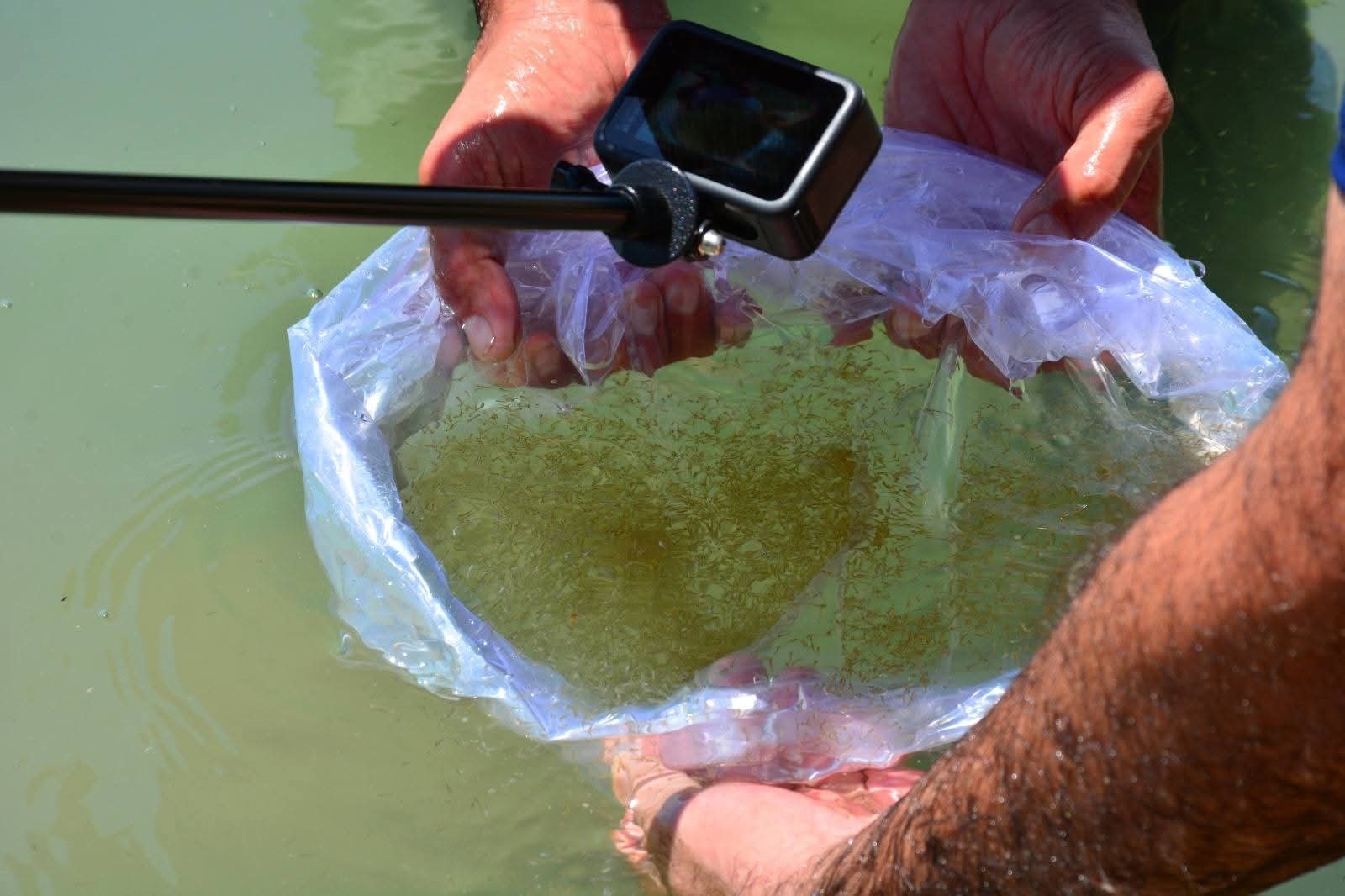
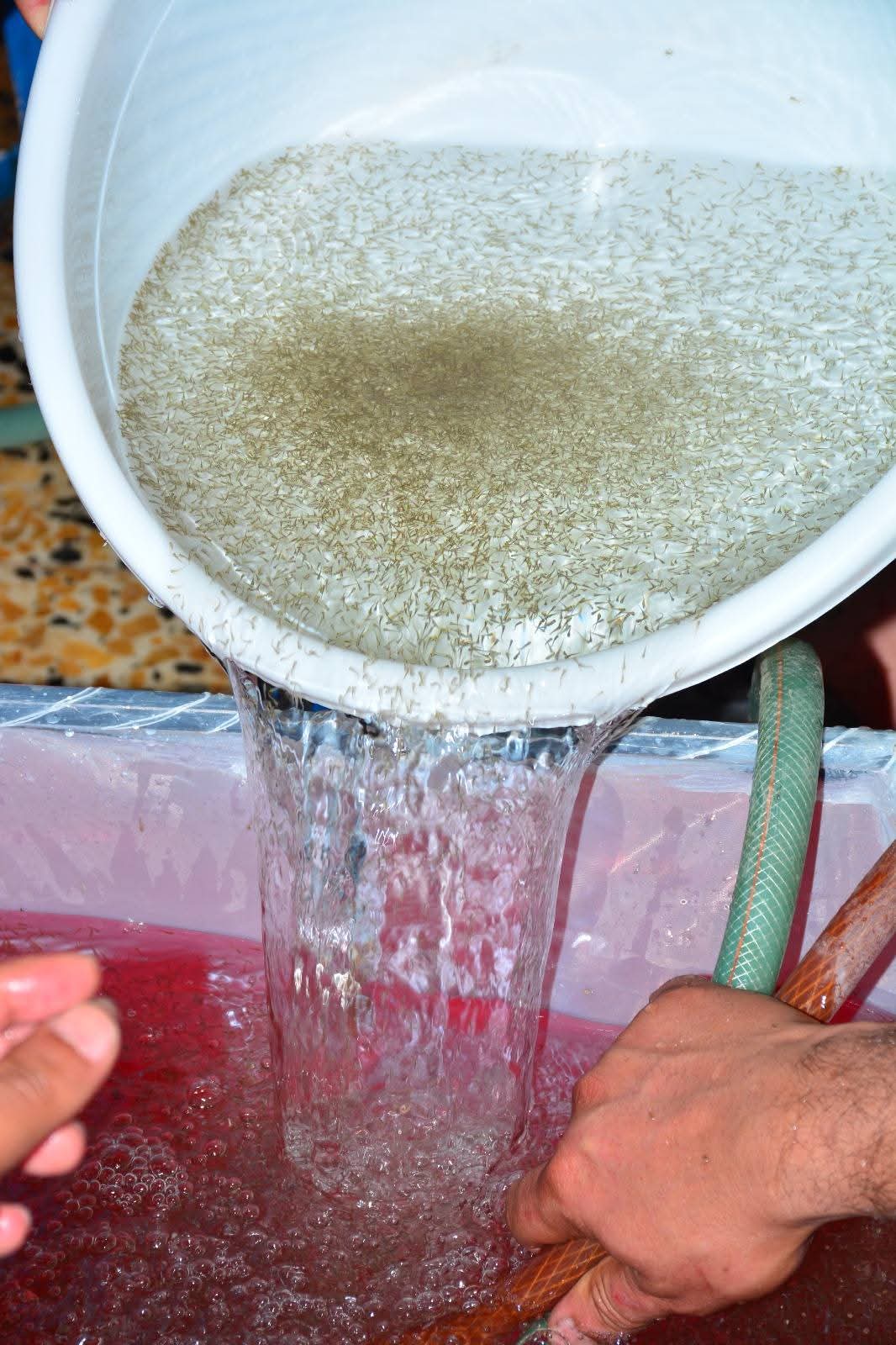
ERBIL (Kurdistan24) — The Kurdistan Regional Government (KRG) has released 3.5 million fish fingerlings into several reservoirs across the Kurdistan Region as part of a broader strategy to strengthen domestic fish production, support food security, and expand non-oil sectors of the economy.
Speaking to Kurdistan24 on Saturday, Bestoon Najmaddin, Director of Fisheries Resources at the Ministry of Agriculture and Water Resources, said the fingerlings were introduced into the waters of the Gomaspan, Bestora, Smaquli, and Aqoban dams as part of a comprehensive government program to develop economic infrastructure and increase fish stocks.
Najmaddin added that nearly 700,000 additional fingerlings will be released into other dams and waterways across the Kurdistan Region in the coming days.
“As support for the domestic sector and to increase fish resources, an additional 500,000 to 800,000 fish fingerlings will be released into the Region’s reservoirs over the next two months,” he said.
The initiative forms part of ongoing efforts by the Ministry of Agriculture and Water Resources to enhance local fish production and reduce dependence on imports while creating new economic opportunities for local communities.
Regarding the reopening of the fishing season, Najmaddin said fishing activities will officially resume on June 16 following a three-month ban designed to protect fish populations during critical breeding periods.
He also warned fishermen against using illegal fishing methods, including electricity, poison, explosives, and fine-mesh nets, stressing that such practices destroy fish stocks and threaten environmental balance.
According to data from the Ministry of Agriculture and Water Resources, the Kurdistan Region requires approximately 65,000 tons of fish annually. Currently, around 40,000 tons are produced domestically on nearly 15,000 dunams of land and water-based production facilities, while the remaining demand is met through imports and commercial suppliers.
The latest fish-stocking campaign reflects the KRG’s broader economic strategy under the leadership of Prime Minister Masrour Barzani, which has placed increasing emphasis on diversifying sources of revenue and reducing reliance on the oil sector.
Since taking office, the Ninth KRG Cabinet has pursued policies aimed at strengthening agriculture, livestock, fisheries, and food production as key pillars of sustainable economic growth.
Government initiatives have focused on supporting farmers, expanding agricultural output, improving irrigation systems, developing livestock resources, and encouraging investment in fisheries and aquaculture to increase self-sufficiency and create jobs across rural areas.
The fisheries sector has emerged as one of several strategic areas identified by the government for growth, alongside agriculture, tourism, industry, and trade. Officials view the expansion of domestic fish production as an important step toward enhancing food security while generating additional non-oil revenues.
The fish-stocking program is also linked to the KRG’s wider environmental and water-management policies. In recent years, the government has accelerated the construction of dams and water-harvesting projects across the Kurdistan Region to address the growing challenges posed by climate change, declining rainfall, and recurring drought conditions.
These projects are designed to preserve water resources, improve irrigation capacity, recharge groundwater reserves, and secure long-term water supplies for agricultural and urban use.
The reservoirs created by these dams have also become important ecosystems that support fish populations and biodiversity.
Beyond their agricultural and environmental benefits, many of the Region’s dams and reservoirs have become attractive destinations for recreation and tourism. The KRG has increasingly incorporated these sites into its tourism development plans, seeking to transform lakes and waterfront areas into economic assets that attract visitors, stimulate local businesses, and contribute to broader efforts to diversify the Kurdistan Region’s economy.
Officials have repeatedly stressed that investments in agriculture, water infrastructure, fisheries, and tourism are central to the government's vision of building a more resilient and sustainable economy—one that relies on a diverse range of productive sectors while protecting the Kurdistan Region’s natural resources for future generations.