US Shoots Down Iranian Drones Over Strait of Hormuz as Gulf Tensions Escalate
Conflict enters its 100th day as missile exchanges, stalled diplomacy, and a widening regional crisis deepen uncertainty across the Middle East
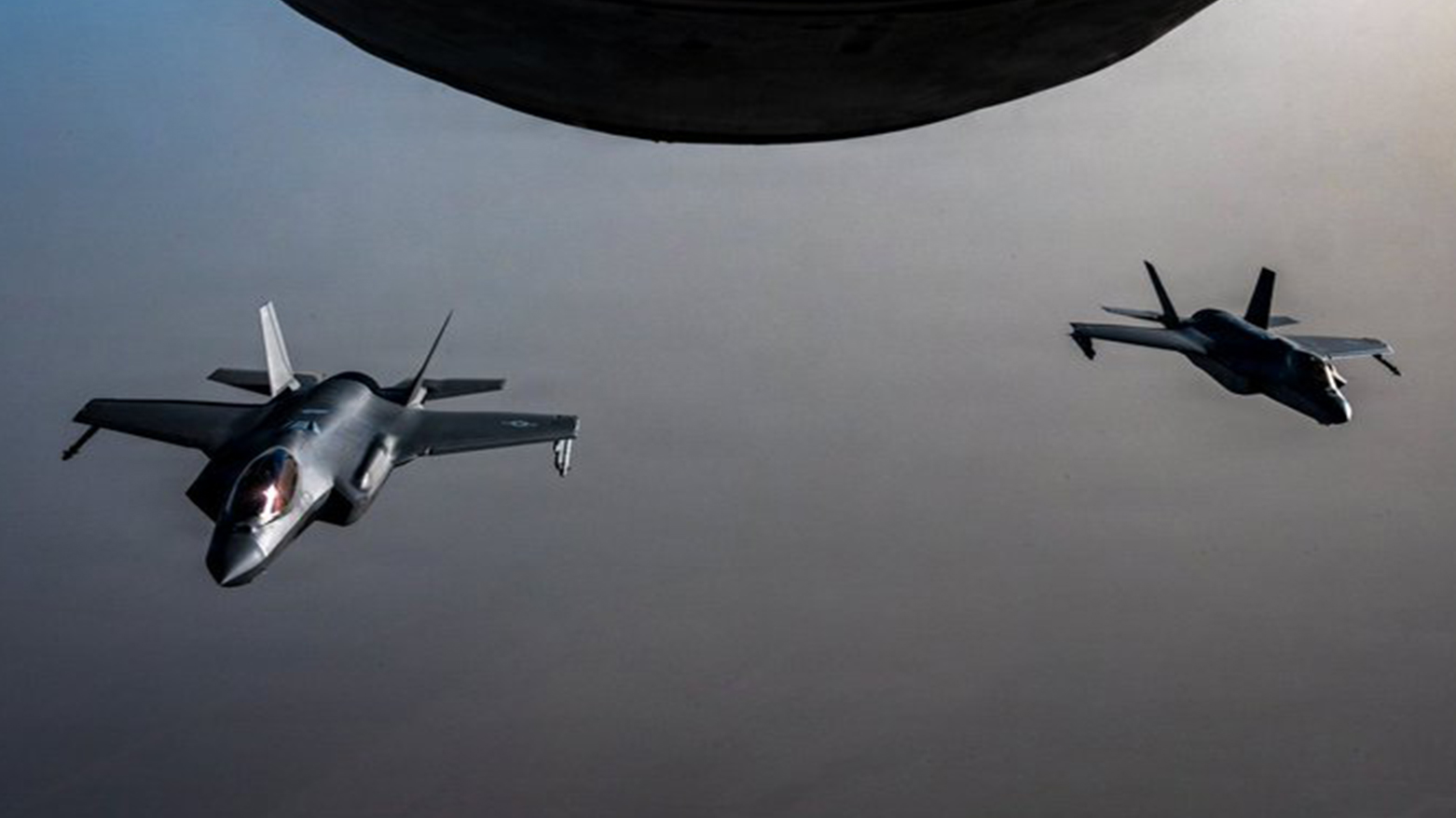
ERBIL (Kurdistan24) — The United States said on Sunday it had shot down two Iranian drones that threatened international maritime traffic in the Strait of Hormuz, marking the latest escalation in a conflict that has now entered its 100th day with no clear path toward resolution.
The incident came amid continued hostilities between Washington and Tehran, despite weeks of indirect negotiations aimed at securing a lasting ceasefire and reopening the strategically vital Strait of Hormuz, a critical route for global oil and gas shipments.
US Central Command (CENTCOM) said its forces destroyed the two drones after determining they posed a threat to maritime navigation in the narrow waterway. The announcement followed earlier US operations targeting four additional Iranian drones and several coastal surveillance radar sites.
Iran responded on Saturday by launching a volley of ballistic missiles toward Bahrain and Kuwait, significantly raising tensions across the Gulf. According to CENTCOM, seven missiles were fired, with six intercepted before reaching their targets and one falling short.
Iran's Islamic Revolutionary Guard Corps said the strikes targeted what it described as "enemy bases in the area."
The attacks drew swift condemnation from Gulf states. Bahrain, home to the headquarters of the US Fifth Fleet, described the missile launches as "blatant aggression," while Kuwait warned they represented a "dangerous escalation" that threatened regional stability.
Residents in both countries reported scenes of panic as air raid sirens sounded. In Bahrain's capital, Manama, explosions were heard shortly after warning systems were activated. In Kuwait, blasts were reported near the international airport, where a previous strike earlier in the week reportedly killed one person.
"We woke up to a huge explosion," said Reem, a Kuwaiti mother of two. "My children were terrified, and I couldn't calm them down."
Diplomatic Deadlock
The latest military exchanges underscore the failure of diplomatic efforts to transform a fragile ceasefire reached on April 8 into a durable settlement.
Iran's Foreign Ministry condemned the recent US strikes as "flagrant" violations and accused Washington of engaging in "hostile and provocative behavior."
Meanwhile, Mohsen Rezaei, a military adviser to Iran's supreme leader, said negotiations had reached an impasse and called on US President Donald Trump to break the deadlock.
In remarks to CNN, Rezaei urged the release of approximately $24 billion in frozen Iranian assets as part of any broader settlement.
However, US officials have signaled that Washington may instead seek to use the funds to assist Gulf allies affected by Iranian attacks. A source familiar with discussions within the US Treasury Department said authorities were considering mechanisms to make Iranian assets available for reconstruction and repair efforts in allied Gulf states.
The prolonged conflict has rattled global energy markets and increased political pressure on President Trump ahead of the upcoming midterm elections.
Lebanon Remains a Flashpoint
The broader regional crisis continues to engulf Lebanon, which became deeply involved in the conflict after the Iran-backed Hezbollah movement launched attacks against Israel on March 2.
Lebanese officials have increasingly voiced frustration with Tehran's role. On Friday, Beirut called on Iran to cease interference in Lebanese affairs, reflecting growing concerns about the country's involvement in wider regional confrontations.
In a sign of intensified diplomatic activity, Lebanese Army Commander Rodolphe Haykal departed for Pakistan on Saturday, while Pakistani Interior Minister Mohsin Naqvi traveled to Tehran for talks with Iranian Foreign Minister Abbas Araghchi.
Pakistan has emerged as an important intermediary in efforts to reduce tensions between the United States and Iran. Iran has maintained that developments in Lebanon and the Gulf conflict are closely connected and should be addressed as part of a comprehensive settlement.
Despite ceasefire efforts, violence in Lebanon has continued. Lebanese authorities reported that an Israeli strike in southern Lebanon killed three soldiers on Saturday. Israel said it was reviewing the incident and reiterated that its military operations were directed against Hezbollah rather than Lebanese state institutions.
The Lebanese Health Ministry also reported that two women were killed and 22 others wounded in an Israeli strike on the southern town of Saksakiyeh. Israel, meanwhile, announced the deaths of two of its soldiers.
A new conditional truce proposal introduced this week was rejected by Hezbollah, further dimming prospects for de-escalation.
Visa Dispute Adds New Friction
The conflict has also spilled into the sporting arena, as a dispute emerged over US visa restrictions imposed on members of Iran's national football team ahead of the FIFA World Cup.
Iranian state media reported that players and technical staff had received visas, but said 15 administrative and managerial officials were denied entry permits.
A US administration official defended the decision, stating that authorities would not allow individuals to exploit the visa system to enter the United States under false pretenses.
Iran's embassy in Turkey called on FIFA to hold Washington accountable for what it described as discriminatory treatment and violations of international sporting regulations.
The Iranian Football Federation, whose president Mehdi Taj was reportedly among those denied visas, condemned the move as "political interference in sport in its worst form."
Further controversy emerged after Iran's ambassador to Mexico said the team had been informed that the terms of their visas would require players and staff to enter and leave the United States on the same day as their matches, adding another layer of tension to an already strained relationship between Tehran and Washington.
As military confrontations continue across the Gulf and diplomatic efforts remain stalled, the conflict shows few signs of abating, raising concerns that further escalation could destabilize an already volatile region and disrupt critical global energy supplies.