Israel Strikes Iranian Petrochemical Facility as Regional Tensions Escalate Despite Trump’s Call for Restraint
Explosions reported across Iran as Tehran warns of broader retaliation and diplomatic efforts to end the conflict remain stalled
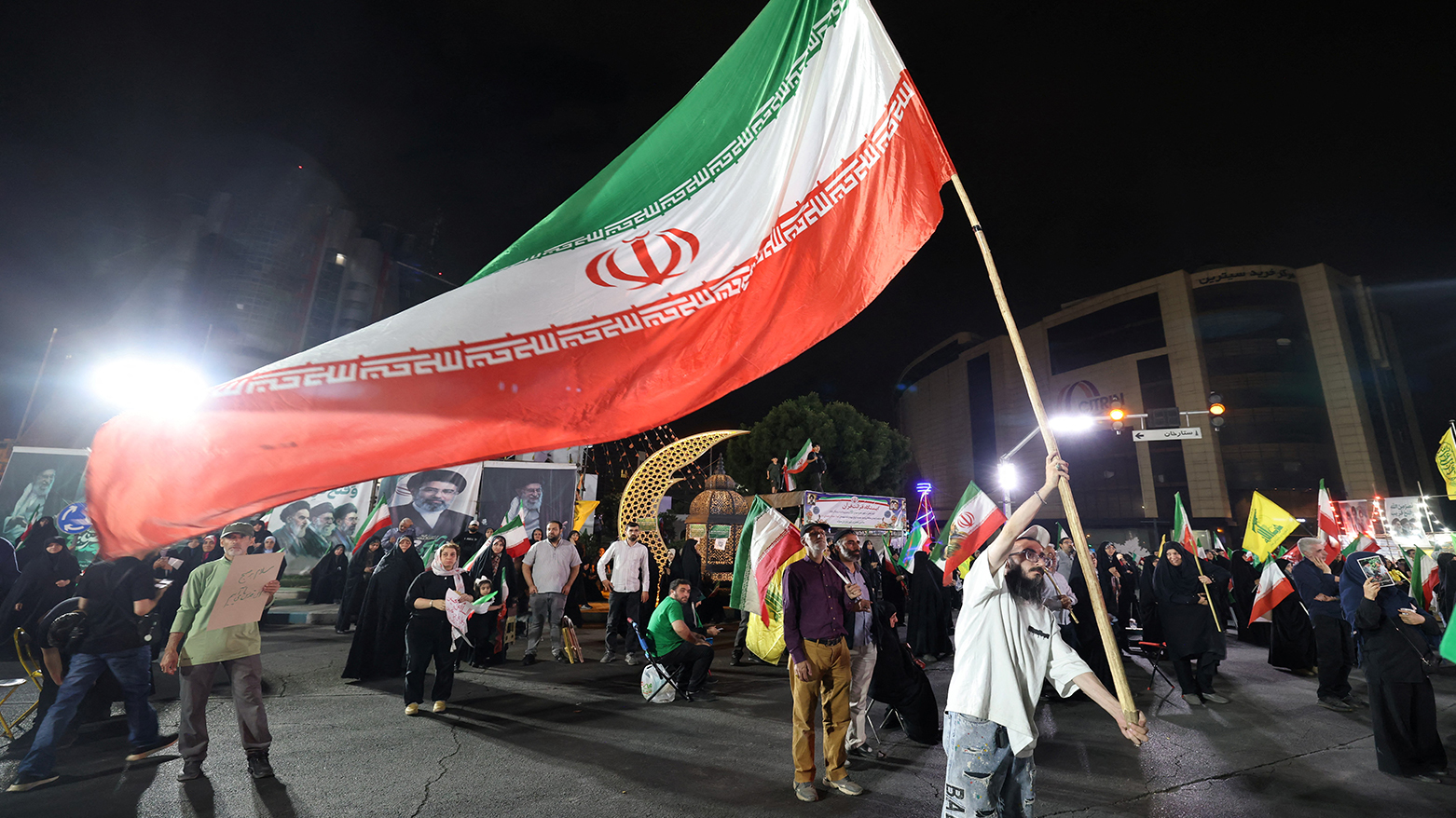
ERBIL (Kurdistan24) — Israel launched a series of strikes across Iran on Monday, including an attack on a petrochemical facility in the southwestern city of Mahshahr, as hostilities between the two regional rivals intensified despite a public appeal for restraint by U.S. President Donald Trump.
Iranian media reported that Israeli projectiles struck the Karoon Petrochemical Company in Mahshahr, located in Khuzestan province. Local outlets cited a law enforcement official as confirming that the facility had been targeted in an Israeli air attack.
The strikes came hours after Iran launched 11 missiles toward Israel on Sunday. According to Israeli authorities, all of the missiles were intercepted and no casualties were reported. Israel described Monday’s operation as a retaliatory response and said its military had struck multiple targets in western and central Iran.
Iranian state television reported explosions in at least three cities, including Tehran, while the Israeli military confirmed carrying out attacks on military-related targets across the country. The latest exchanges have further strained a fragile truce reached on April 8, as the conflict entered its 100th day.
The escalation unfolded despite efforts by Trump to prevent further military action. According to Axios journalist Barak Ravid, Trump said he intended to call Israeli Prime Minister Benjamin Netanyahu and urge him not to retaliate against Iran.
“Israel had its strike and Iran had its strike. We don't need another one,” Trump reportedly said, referring to Netanyahu by his nickname, “Bibi.”
Ravid later reported that a U.S. official confirmed Trump had spoken with Netanyahu, although neither the White House nor Trump had publicly commented on the conversation.
British Foreign Secretary Yvette Cooper also called for restraint, warning that renewed conflict between Iran and Israel serves no one's interests and urging all sides to return to diplomacy.
Tehran, however, maintained that any lasting agreement to end the conflict must also address developments in Lebanon, where Israel has intensified operations against the Iran-backed Hezbollah movement.
Iranian officials warned that further attacks on Beirut could trigger a full-scale resumption of hostilities. Iranian Foreign Ministry spokesman Ali Safari said Tehran's missile strikes were carried out after weeks of restraint in the face of what he described as Israeli aggression.
Meanwhile, Iran’s Islamic Revolutionary Guard Corps characterized its attack on Israel as a “warning” following an Israeli strike on Beirut’s southern suburbs earlier on Sunday.
Israel also reported that it was attempting to intercept a missile launched from Yemen, where Iran-aligned Houthi rebels have repeatedly targeted Israeli territory since the outbreak of the broader conflict.
On Sunday, Netanyahu’s office announced that Israeli forces had struck a Hezbollah command center in Beirut’s Dahiyeh district in response to rocket fire toward northern Israel. Lebanon’s health ministry said the attack killed two people and wounded 20 others.
Hezbollah later acknowledged launching missiles and drones at two Israeli military barracks earlier that day. The exchange has heightened fears that the conflict could expand further across the region.
Mohammad Bagher Ghalibaf, Iran’s parliament speaker and chief negotiator in talks with Washington, accused the United States of giving Israel a “green light” for the Beirut strike. He warned that both U.S. and Israeli assets were now considered “legitimate targets.”
Iran’s military leadership also condemned the Beirut attack, stating that Israel had crossed “all red lines” and demanding an end to its military campaign in Lebanon. The Revolutionary Guards warned that any future Israeli attacks would be met with broader retaliation targeting “all U.S.-Zionist interests” across the region.
Following the latest escalation, Iran announced the closure of its western airspace, while neighboring Iraq and Syria imposed similar restrictions. Tehran also suspended all incoming flights to its main international airport.
The renewed fighting has sent global energy markets on edge. Crude oil prices surged amid growing concerns over the continued disruption of shipping through the Strait of Hormuz, a critical route for global oil and gas exports that has effectively remained closed by Iran during the conflict.
Amid the worsening situation, diplomatic efforts continued behind the scenes. Pakistani Interior Minister Mohsin Naqvi arrived in Tehran over the weekend carrying messages from Pakistan’s military chief and prime minister to Iran’s leadership.
Pakistan has played a mediating role between Tehran and Washington following earlier rounds of direct negotiations. However, prospects for a breakthrough remain uncertain.
Mohsen Rezaei, a military adviser to Iran’s Supreme Leader Ayatollah Mojtaba Khamenei, told CNN that negotiations with the United States had reached a deadlock and called on Washington to release approximately $24 billion in frozen Iranian assets.
Trump rejected the possibility of unfreezing Iranian funds before a preliminary agreement is reached. “If they behave, if they do a good job, we start talking,” he told NBC on Sunday, underscoring the continuing diplomatic impasse between Washington and Tehran.