Iran warns US over escalation as it signals new conditions for Strait of Hormuz transit
Tehran links regional fighting with Washington’s policy, while proposing regulated passage fees in a key global shipping lane
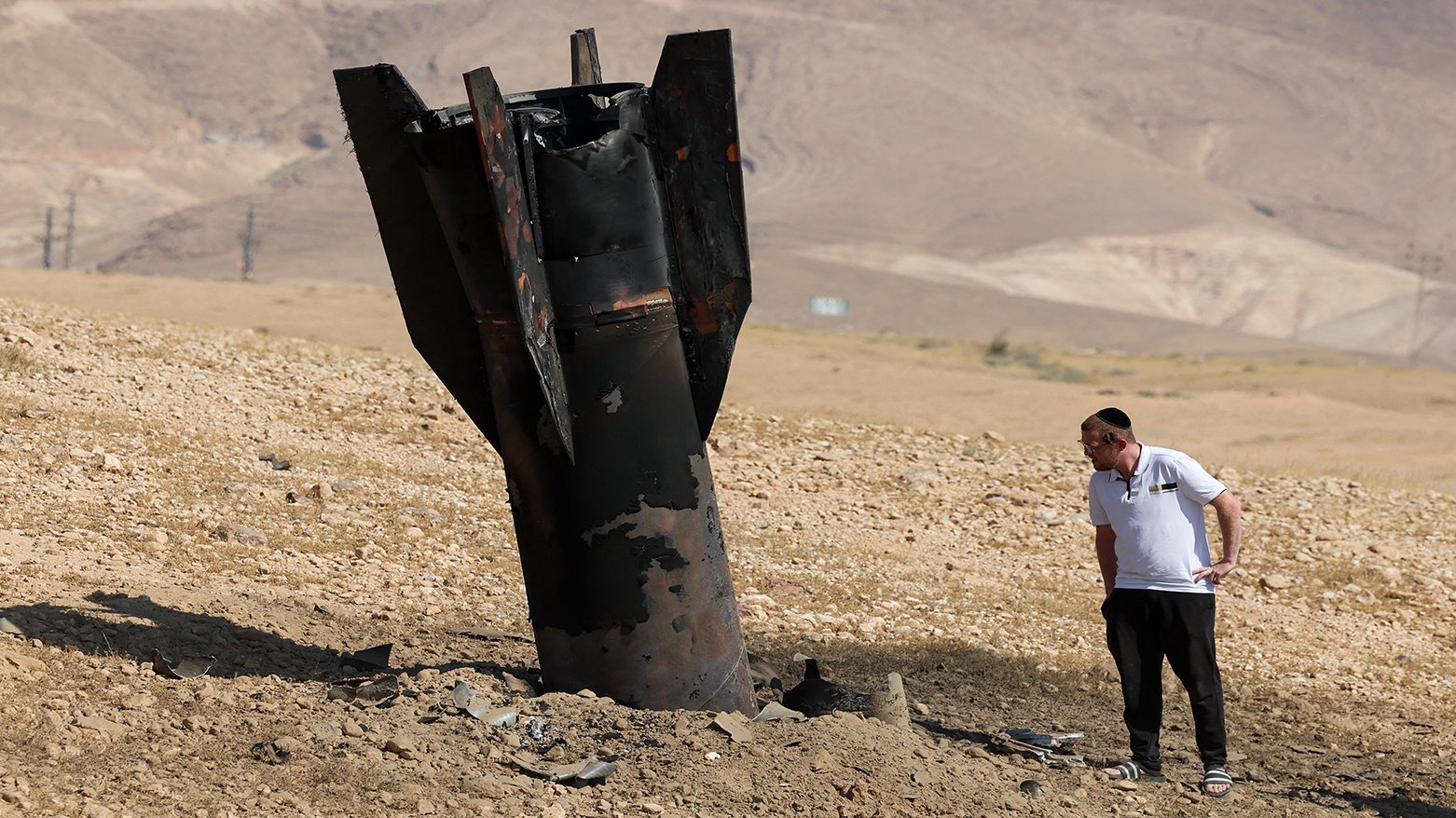
ERBIL (Kurdistan24) — Iran has warned that the United States would bear responsibility for any escalation in the Middle East tied to the ongoing conflict with Israel, while also signaling plans to impose new transit conditions in the strategic Strait of Hormuz, including possible fees for passing vessels.
Speaking at a press conference on Monday in Tehran, Foreign Ministry spokesman Esmaeil Baqaei said Israel’s actions in the region could not be separated from US policy.
“Without a doubt… the actions of the Zionist regime in the region cannot be separated from US policies,” Baqaei said, adding that “no one believes that the Zionist regime would carry out any action without prior coordination and cooperation with the United States,” according to remarks reported by AFP.
His comments come amid heightened regional tensions following renewed fighting between Israel and Iran, with Tehran repeatedly accusing Washington of direct involvement in Israel’s military posture.
Separately, Iran’s ambassador to Moscow, Kazem Jalali, said the Strait of Hormuz would remain open but under “new conditions” jointly defined by Iran and Oman, including potential service charges for maritime transit.
“This strait will be open, but with new conditions to be determined by the Iranian and Omani authorities,” Jalali was quoted as saying in an interview published by the Russian newspaper Izvestia.
He added that Iran and Oman provide services related to navigation in the waterway and that fees would be introduced, varying according to vessel type, cargo, and conditions.
The proposal marks a significant shift in Iran’s long-standing position on the Strait of Hormuz, through which roughly one-fifth of global oil supply flowed before the current conflict disrupted shipments.
Oil and liquefied natural gas flows have since been heavily constrained, although several tankers have recently managed to pass.
The idea of introducing transit charges has been firmly rejected by US officials. US President Donald Trump has opposed any such move, while Treasury Secretary Scott Bessent warned earlier that Oman should not participate in any arrangement that would impose tolls on shipping.
In late May, Washington cautioned Muscat against supporting any Iranian proposal to monetize passage through the strategic chokepoint, with Omani officials reportedly indicating no plan to introduce fees.
Meanwhile, Israel said it carried out strikes on military targets in western and central Iran on Monday, even after reports that Trump had urged Israeli Prime Minister Benjamin Netanyahu to avoid further escalation.
Japan, which historically relied heavily on Middle Eastern crude—previously importing around 95% of its oil needs from the region—said it did not pay any transit fee when a Japan-linked tanker recently passed through the waterway in May.
The overlapping diplomatic warnings and maritime tensions underscore growing instability around one of the world’s most critical energy corridors, as competing political and military pressures continue to shape the region’s trajectory.