An Expanded World Cup Kicks Off Amid High Drama, Strict Security, and Global Politics
The 48-team tournament, co-hosted by Mexico, the United States, and Canada, began with a thunderous victory for El Tri, even as FIFA navigated diplomatic friction, visa controversies, and intense scrutiny over ticket pricing.
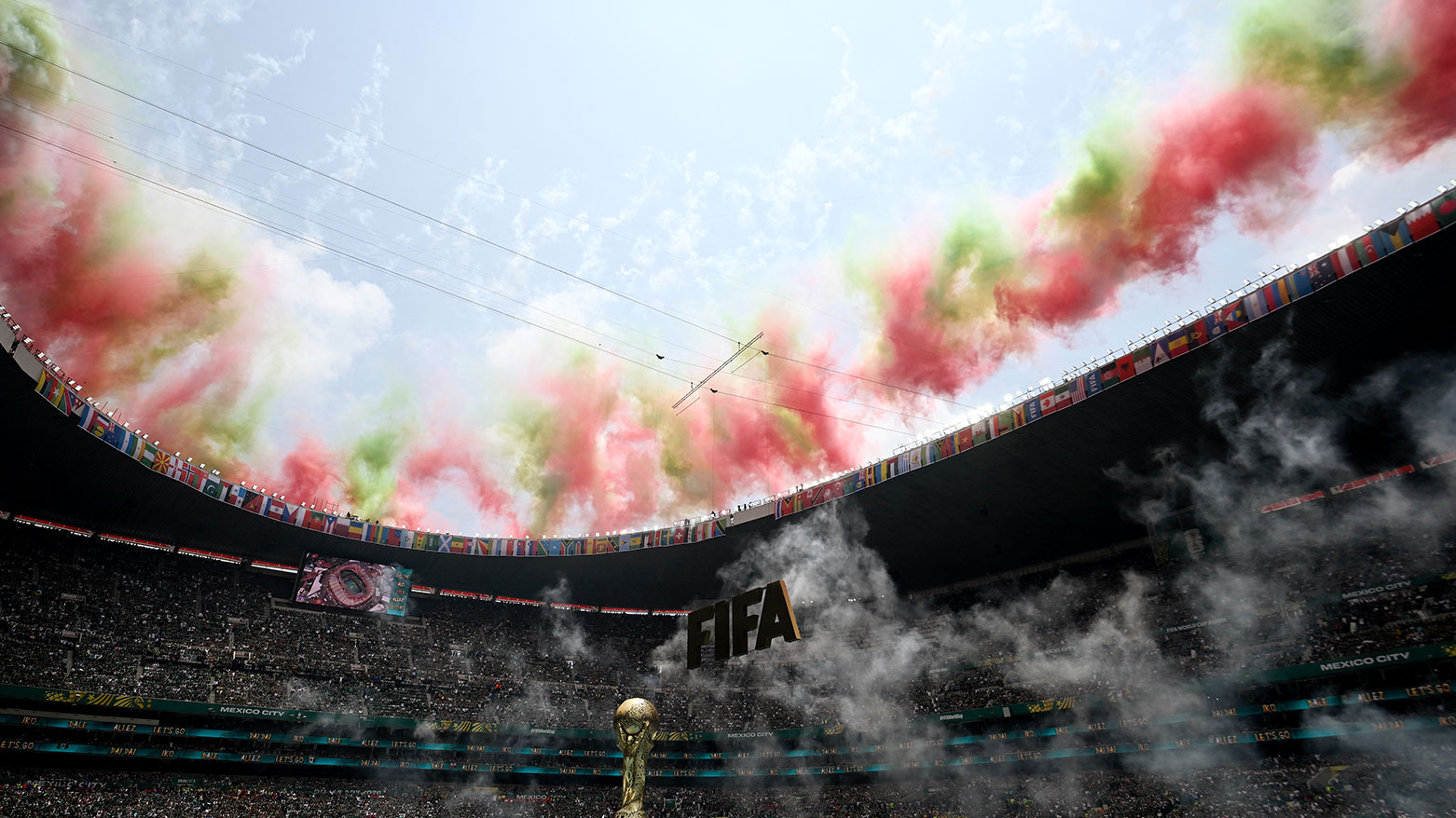
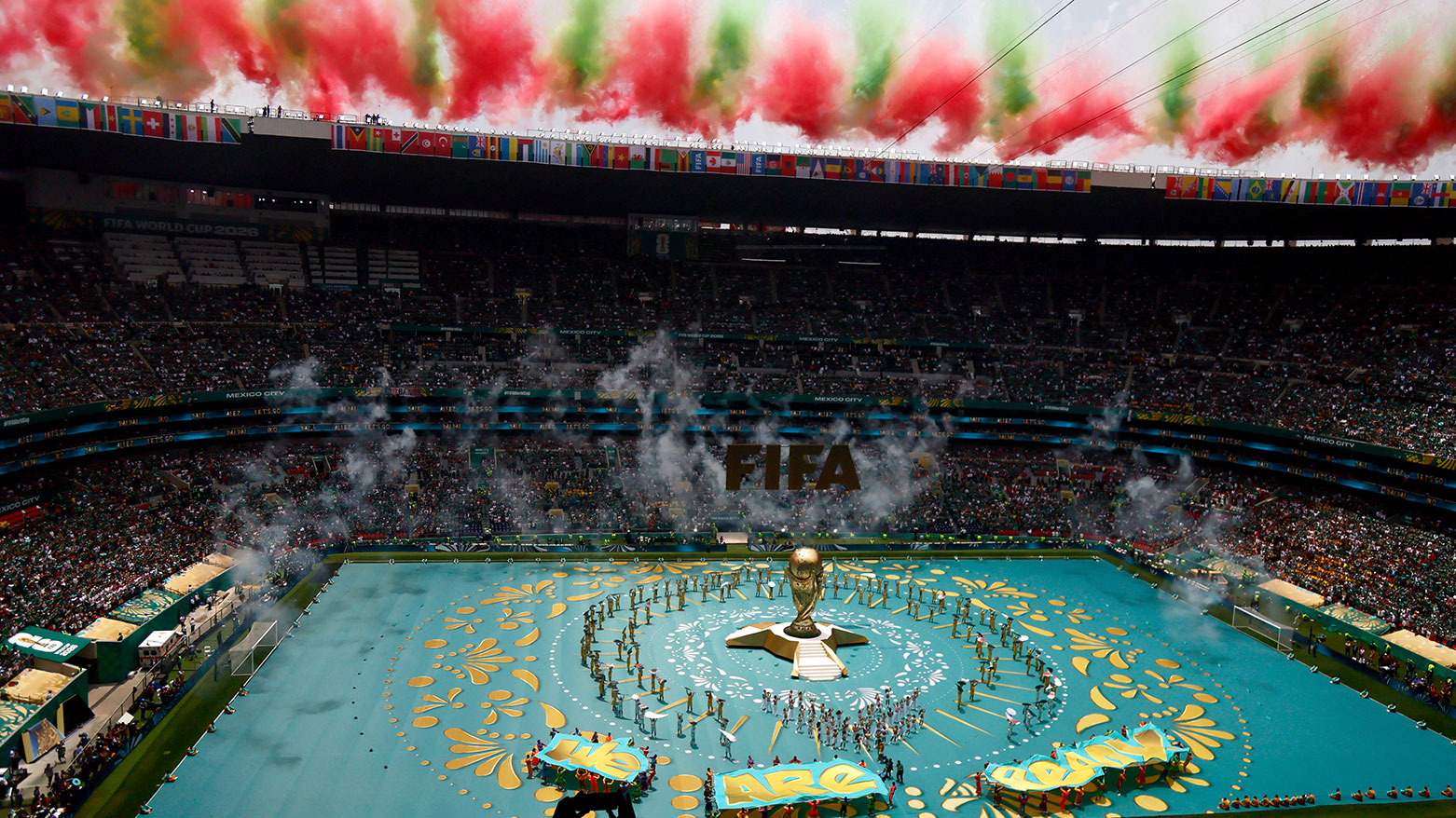
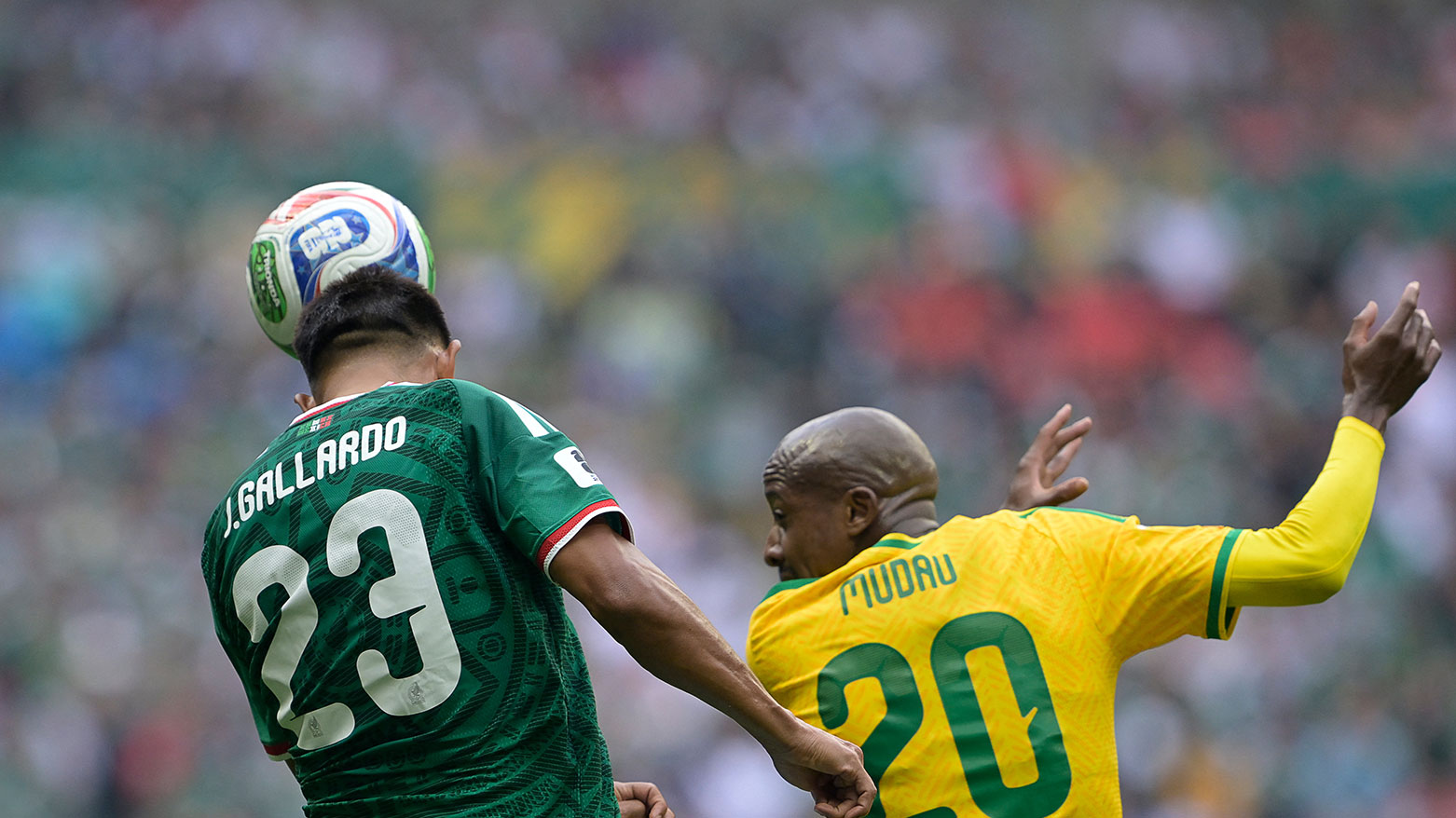
ERBIL (Kurdistan24) - The 2026 FIFA World Cup roared to life on Thursday beneath the towering concrete arches of Mexico City's Estadio Azteca. The iconic venue, which just became the first stadium to host matches in three separate World Cups, reverberated with the cheers of 80,000 fans as Mexico secured a dramatic 2-0 victory over South Africa, officially launching the largest edition of the tournament in the history of the sport.
According to reporting by The Associated Press (AP) and Agence France-Presse (AFP), the opening match delivered the intense emotion and friction that define global soccer.
Julián Quiñones netted the tournament's first goal in the ninth minute, setting the tone for the hosts. Midway through the second half, veteran striker Raúl Jiménez delivered a decisive header, securing the win and capping a remarkable personal comeback after suffering a fractured skull in 2020.
The match was not without controversy.
AFP and AP reported that the opener was marred by three red cards, two issued to South African players and one to Mexico's César Montes, setting a record for the most ejections in a World Cup opening match.
The pressure of the global stage was palpable. "When you're starting out the World Cup, of course your legs will shake," Mexico coach Javier Aguirre told AFP, revealing that three of his players suffered from stage fright-induced cramps. "But we never suffered."
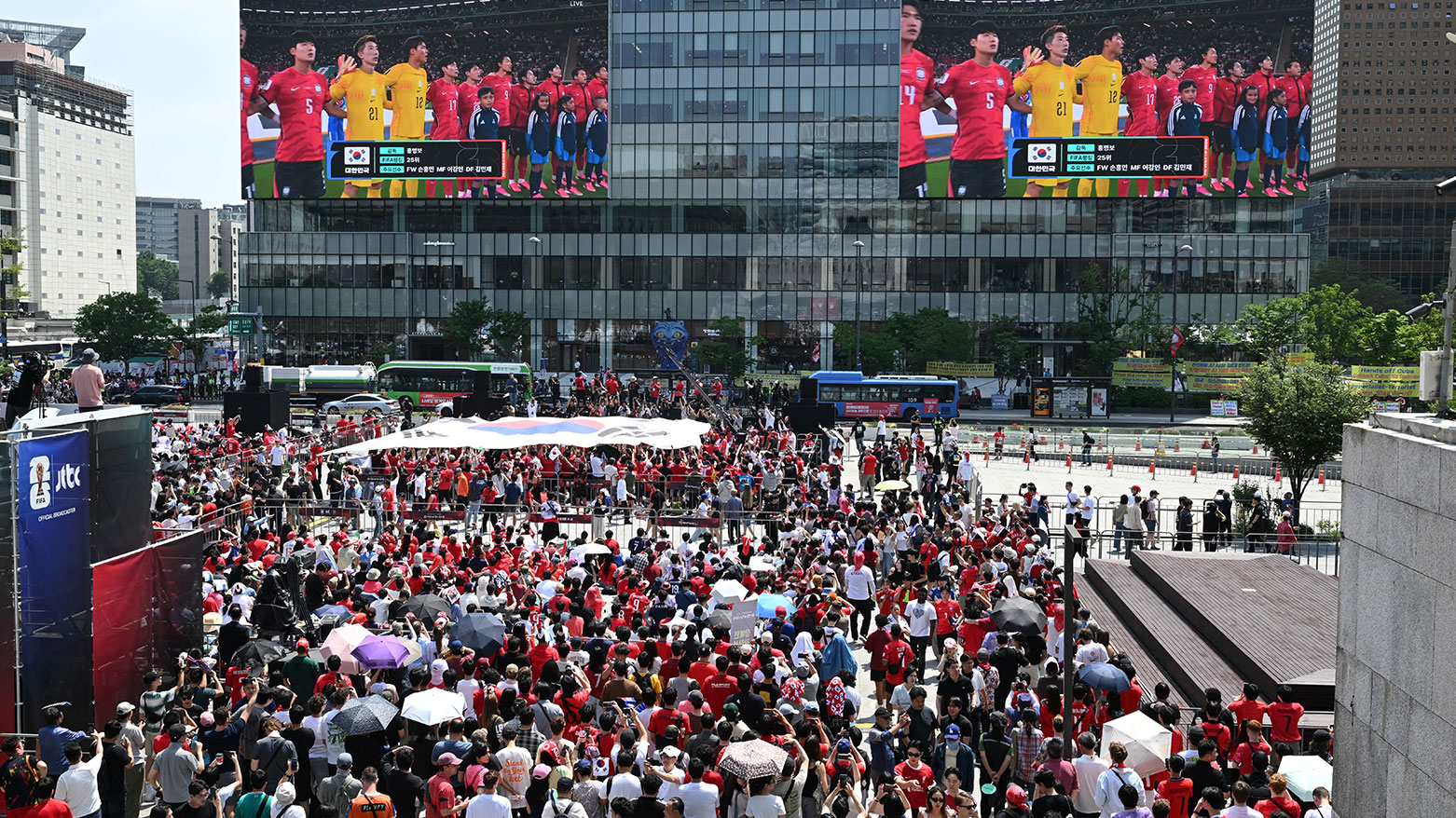
Thursday's opening nightcap in Guadalajara featured another dramatic clash, with South Korea rallying to defeat the Czech Republic 2-1, according to AP and AFP. Substitute Oh Hyeon-gyu secured the decisive goal late in the match, launching the South Korean campaign with a crucial victory.
A Sprawling North American Stage
The victories in Mexico set the stage for a sprawling, six-week tournament co-hosted by the United States and Canada, featuring a record 48 national teams. On Friday, the spotlight shifts northward.
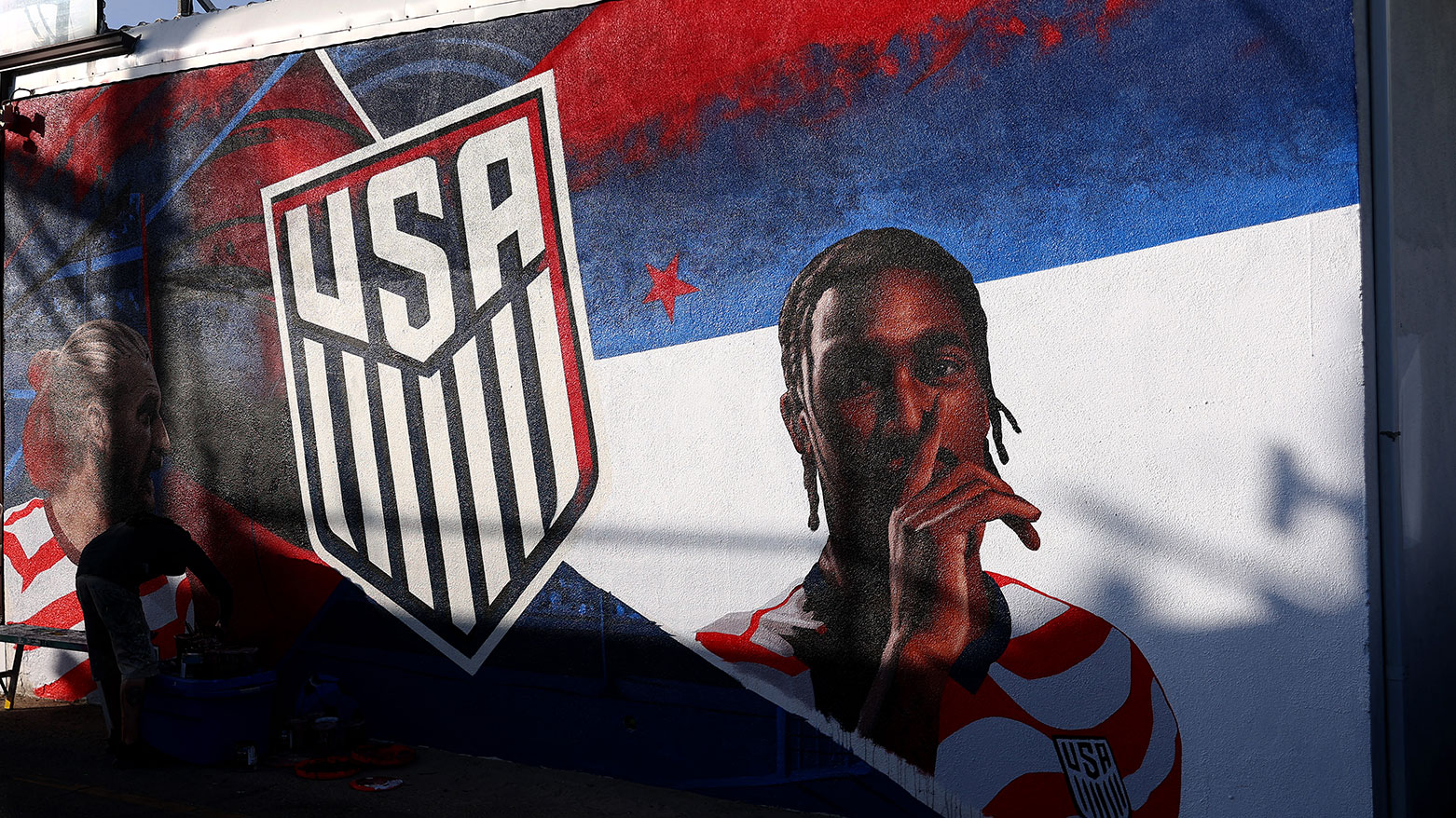
According to the AP, the United States will face Paraguay in Inglewood, California, hoping a home-soil advantage will propel them past the quarterfinals for the first time in modern history.
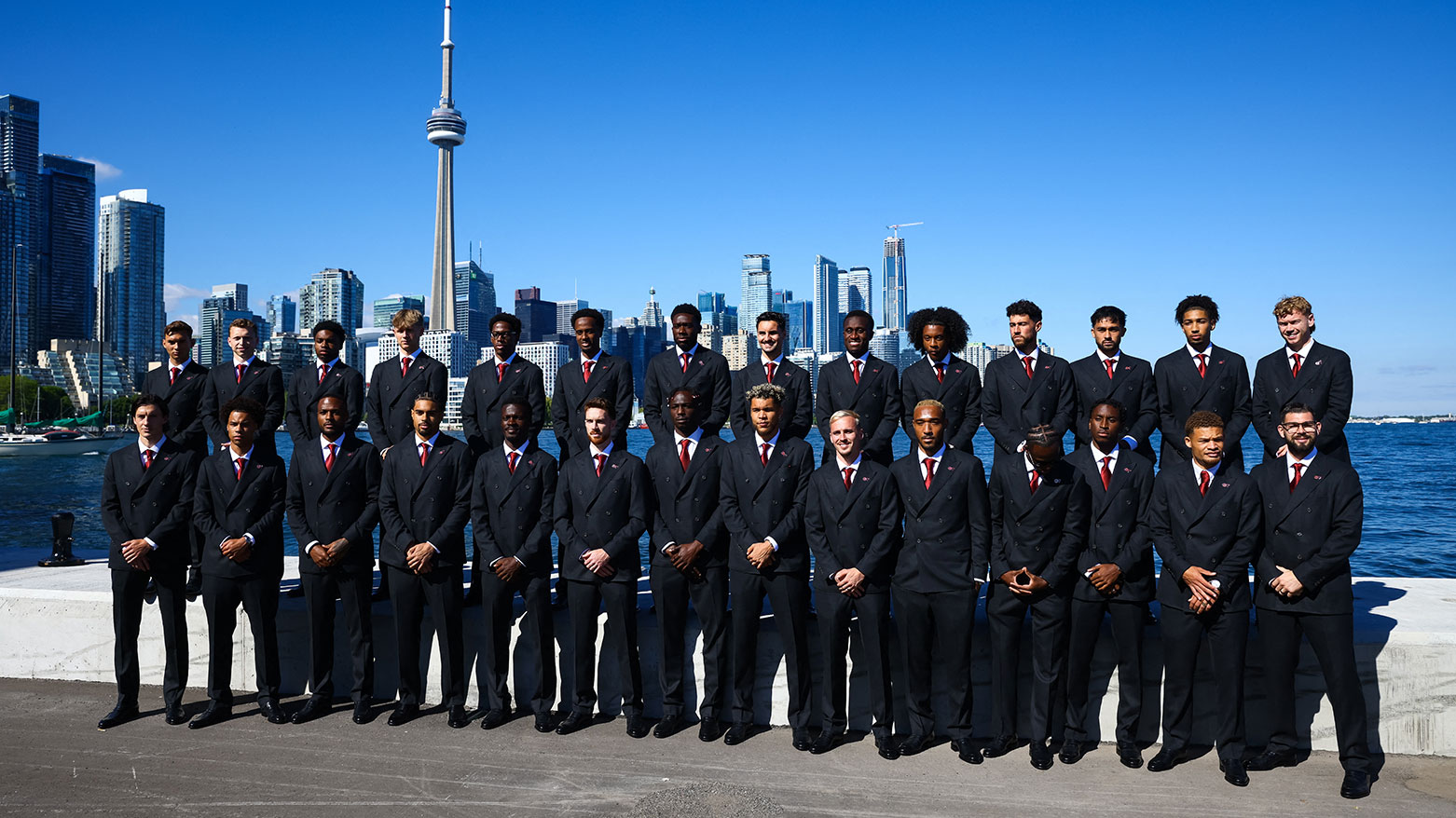
Meanwhile, Canada is still seeking its first-ever World Cup victory as it prepares to face Bosnia-Herzegovina in Toronto.
Yet, as the action unfolds on the pitch, the sheer scale of the tournament presents massive logistical and security hurdles.
With 78 of the 104 matches taking place in the United States, federal and local authorities are mounting an unprecedented security operation.
Markwayne Mullin, the U.S. Department of Homeland Security chief, assured fans the event would be highly secure, though he acknowledged the persistent threat of isolated violence.
"We feel like we're as safe as we can possibly be. But we can't control, you know, the lone wolf," Mullin told Fox News, according to AFP.
Mullin emphasized the staggering scale of the event, equating the U.S. matches to hosting "78 Super Bowls in 38 days."
The security apparatus includes robust anti-drone measures. Following the detection of 355 drone incursions during the 2024 Paris Olympics, U.S. authorities have deployed extensive resources to protect stadiums.
Andrew Giuliani, head of the White House Task Force for the World Cup, confirmed to AFP that while there are currently no credible threats, the intelligence community is heavily focused on the tournament.
Diplomacy, Visas, and FIFA's Defiance
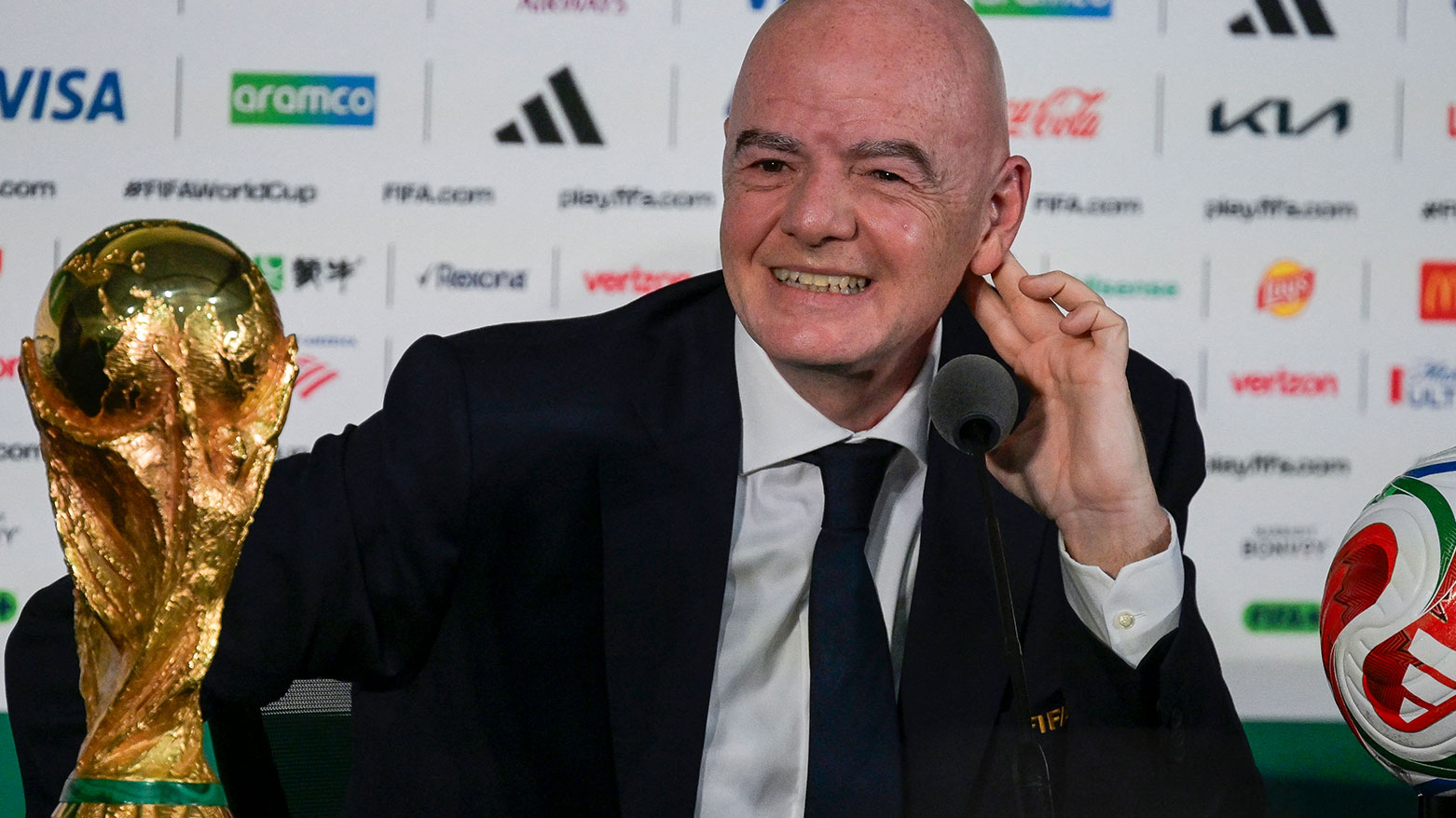
The tournament's expansion has inevitably tangled global sports with international politics. On the eve of the opening match, FIFA President Gianni Infantino faced rigorous questioning regarding sky-high ticket prices and high-profile diplomatic disputes.
According to the AP, Infantino aggressively defended the organization's ticketing strategy, which saw regular seats for the July 19 final in New Jersey listed at up to $8,680, with hospitality packages soaring above $70,000.
Infantino dismissed investigations by U.S. state attorneys general, stating, "If we do something wrong, then probably everyone selling tickets in North America is doing something wrong."
Infantino also addressed severe immigration crackdowns by the U.S. government, which resulted in a Somali referee being denied entry due to unspecified vetting concerns.
While expressing regret over the decision, Infantino stated that FIFA is powerless to overrule national security directives, telling critics they should "chill" and "relax," according to the AP.
However, Infantino claimed a major diplomatic victory regarding Iran.
Despite the ongoing military conflict between Tehran and Washington, the Iranian national team successfully navigated the geopolitical minefield.
According to AFP, the Iranian squad shifted its base camp to Tijuana, Mexico, and will only enter the United States for brief periods surrounding their matches. "I don't know who else would have been able to ensure in these circumstances... Iran could come and play," Infantino remarked.
Symbolism and the Pursuit of Glory
As the tournament progresses, the cultural and historical narratives surrounding the teams are taking center stage.
The AP highlighted the Netherlands' arrival in the U.S. as arguably the greatest nation never to win a World Cup. Having lost three finals, the Dutch squad, captained by Virgil van Dijk, is determined to finally secure the trophy. "We all have big dreams, and we'll give all we have," van Dijk told reporters.
Meanwhile, historical symbolism sparked a dispute involving the Haitian national team.
According to the AP, FIFA forced Haiti to alter its jersey design after deeming a depiction of an 1803 battle from the Haitian War of Independence "too political."
The censure echoed a similar controversy during the Winter Olympics, highlighting the ongoing tension between national pride and international sporting regulations.
As the opening matches conclude and the global spectacle moves deeper into North America, the 2026 World Cup is already proving to be a colossal undertaking, one where the drama of the game is matched only by the logistical, diplomatic, and security complexities of hosting the world.
|
Summary The 2026 FIFA World Cup opened in Mexico City with a dramatic 2-0 victory for the hosts over South Africa. As the expanded 48-team tournament begins across North America, FIFA faces intense scrutiny over ticket pricing, visa denials, and the challenge of managing immense security logistics. |