Iraqi Parliament Set to Vote on Completing Al-Zaidi Cabinet After Legislative Recess
Lawmakers say strong domestic and international pressure is mounting to fill remaining ministerial posts as budget prospects remain uncertain
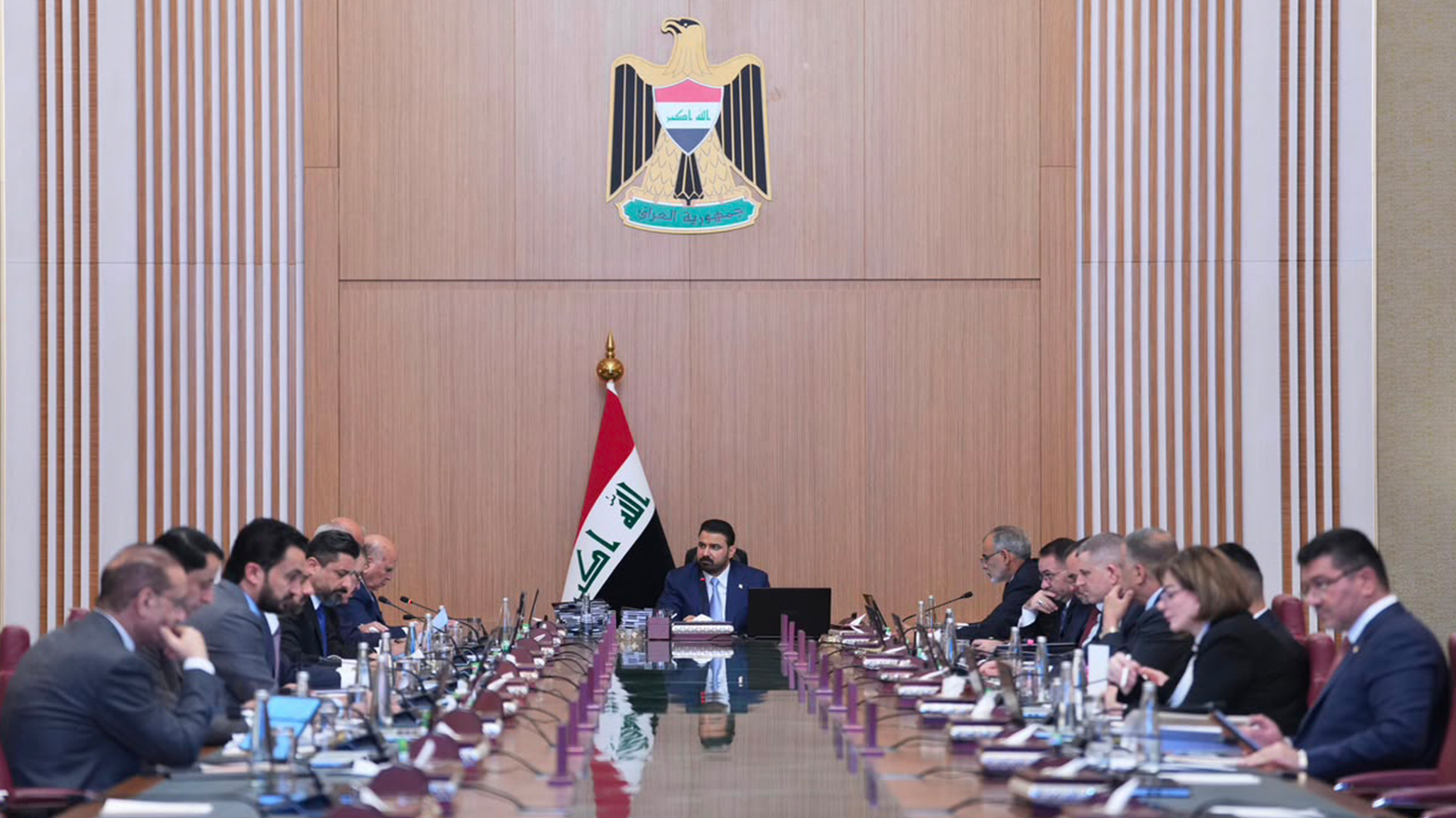
ERBIL (Kurdistan24) — Iraq's parliament is expected to vote on completing Prime Minister Ali Al-Zaidi's cabinet following the conclusion of its legislative recess on July 1, according to a Kurdish lawmaker, as political efforts continue to fill the remaining vacant ministries in the government.
Speaking to Kurdistan24 on Wednesday, Sirwa Mohammed, a member of parliament from the Patriotic Union of Kurdistan (PUK), said preparations for completing Al-Zaidi's government have been finalized, and that parliament is awaiting the end of its legally mandated recess before holding a vote on candidates for the nine ministerial positions that remain unfilled.
"The procedures related to completing Prime Minister Ali Al-Zaidi's government have been completed, and the cabinet lineup is ready," Mohammed said. "Parliament is waiting for the legislative recess to end so that lawmakers can vote on candidates for the remaining ministries."
She added that significant domestic and international pressure is being exerted to ensure the completion of the cabinet, underscoring the importance attached to stabilizing the new government and enabling it to fully exercise its executive responsibilities.
Addressing complaints filed by candidates who failed to secure ministerial posts, Mohammed expressed doubt that Iraq's Federal Supreme Court would rule in favor of unsuccessful nominees.
She suggested that the legal challenges are unlikely to alter the political process surrounding the formation of the cabinet, which has remained incomplete since Al-Zaidi assumed office.
On the issue of Iraq's 2026 federal budget, Mohammed indicated that prospects for passing a comprehensive budget law this year remain slim despite more than six months having already elapsed in the fiscal year.
She said it is unlikely that parliament will approve a full budget law for 2026, describing the process as difficult under current circumstances. Instead, she noted that the government is expected to submit spending allocations covering public expenditures and salary payments to parliament for review and assessment.
The delay would continue a pattern of budget-related challenges that have frequently complicated financial planning and government operations in Iraq, including disputes over spending priorities and revenue distribution.
Mohammed also provided an update on the formation of parliamentary committees, revealing that committee memberships have already been finalized, while the selection of committee chairpersons remains pending.
At present, she said, the oldest member of each committee is temporarily overseeing its activities until permanent leadership is appointed.
According to Mohammed, the appointment of committee chairs is expected to coincide with the completion of the cabinet formation process, allowing parliament to finalize its internal structure and resume full legislative activity after the recess.
The anticipated votes on both the cabinet and parliamentary committee leadership are expected to serve as key tests of political consensus within Iraq's newly formed legislature as lawmakers seek to advance government formation and address pressing fiscal and administrative issues in the months ahead.