US–Iran Interim Nuclear Deal Faces Skepticism as 60-Day Negotiation Window Begins
Washington warns of tight timeline and unresolved technical disputes as critics question feasibility of rapid agreement
ERBIL (Kurdistan24) — An interim agreement between the United States and Iran is set to open a 60-day negotiation window aimed at resolving the most contentious issue in decades of hostility between the two countries: Tehran’s nuclear program, according to U.S. officials and diplomatic sources.
The deal, expected to be formally signed on Friday in Switzerland, comes amid cautious optimism in Washington but widespread skepticism among lawmakers, analysts, and regional allies about whether a comprehensive agreement can realistically be achieved within such a short timeframe.
Under the framework, the Strait of Hormuz would be reopened for global oil shipments, Iran would receive phased financial incentives tied to compliance benchmarks, and both sides would enter intensive negotiations on the future of Iran’s nuclear program.
U.S. President Donald Trump has said the initiative was launched to prevent Iran from acquiring a nuclear weapon, arguing that Tehran’s nuclear ambitions remain the central threat to regional stability.
However, critics note that the new arrangement leaves far less time for complex technical negotiations than previous diplomatic efforts. The 2015 nuclear agreement, known as the Joint Comprehensive Plan of Action (JCPOA), took more than 18 months to finalize through extensive multilateral talks involving global powers.
Republican Senator Lindsey Graham expressed skepticism about the prospects for a durable agreement, questioning whether Iran would agree to halt enrichment activities entirely.
“My skepticism is Iran itself. What would a good deal look like? No enrichment. And we’ll see if we can get there,” Graham said, warning that the second phase of negotiations may be difficult to achieve.
David Schenker of the Washington Institute for Near East Policy also questioned whether the current U.S. administration has the sustained focus required for such a technically demanding process, emphasizing that nuclear diplomacy requires prolonged engagement and expert-level coordination.
“This is the kind of thing that requires dogged attention, attention to detail and numerous technical experts involved,” Schenker said, noting that past negotiations involved years of structured diplomacy and international coordination.
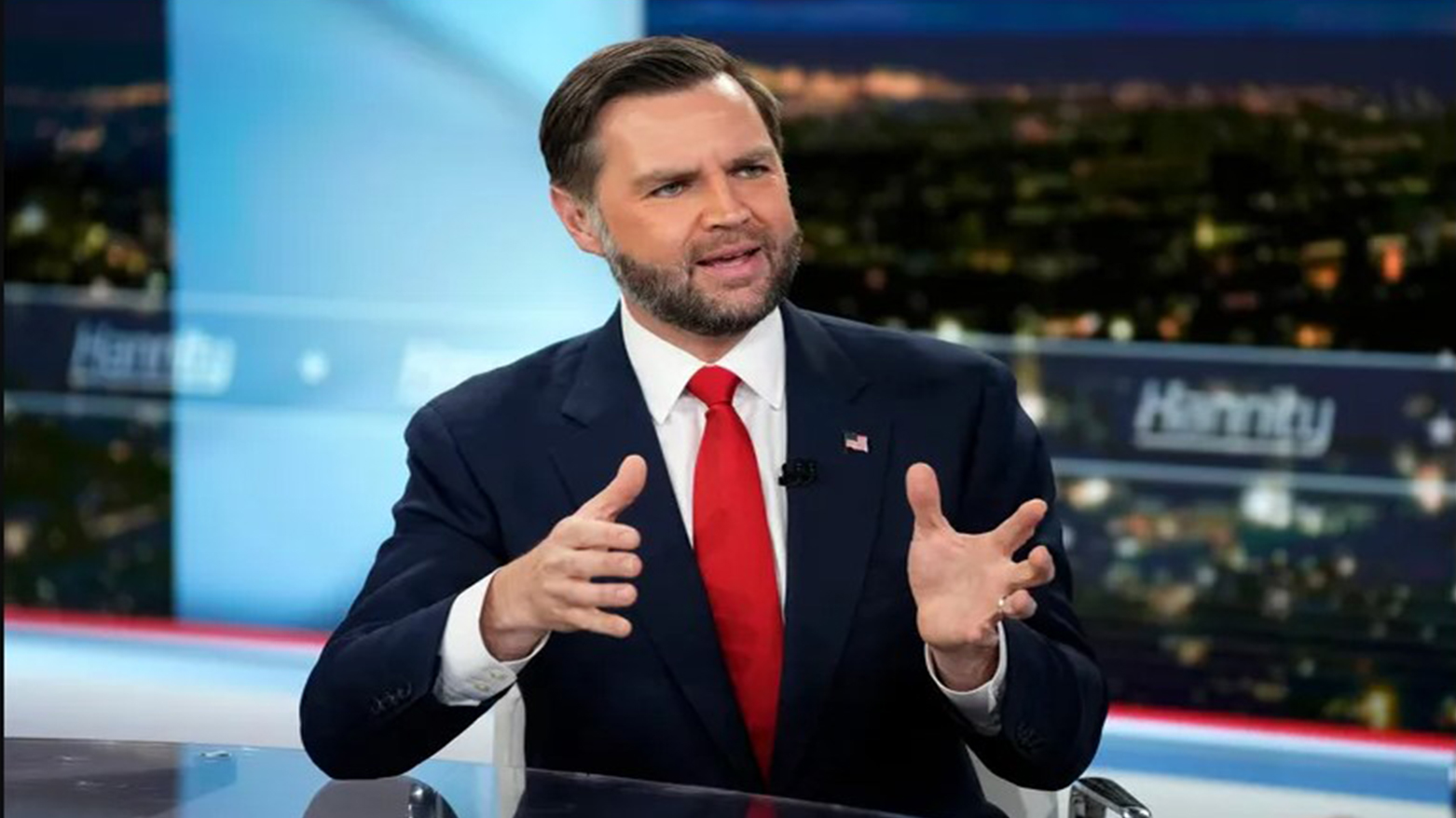
Despite criticism, U.S. officials insist the phased approach is designed to create leverage. Vice President JD Vance said Iran would only receive sanctions relief and other incentives in exchange for verifiable steps to dismantle its nuclear weapons capabilities.
“We trust what people do. And the way this deal is structured is that as they do more, they receive more,” Vance said, adding that the U.S. remains unconvinced by Iranian assurances.
Iran, for its part, continues to insist its nuclear program is peaceful.
The interim framework draws partial inspiration from the JCPOA, which required more than a year and a half of negotiations involving the United States, Iran, and multiple global powers. That agreement imposed limits on uranium enrichment, centrifuge development, and heavy water production in exchange for sanctions relief worth billions of dollars.
However, former President Barack Obama’s deal was later abandoned in 2018 by Trump, who called it the “worst deal ever negotiated,” reigniting tensions and paving the way for renewed confrontation.
Lawmakers from both parties are now calling for congressional oversight of any new agreement. Republican Senator Ted Cruz said he expects Congress to have the final say, while Senator John Kennedy voiced deep skepticism that Iran would comply with any commitments.
Some Democrats, however, suggested that the existence of prior diplomatic frameworks could help accelerate negotiations. Senator Tim Kaine noted that earlier agreements provide a technical foundation, though he acknowledged the complexity of the task given the short timeline and limited negotiating experience of some current envoys.
Negotiations in earlier phases were led by experienced diplomats and technical experts, including extensive multilateral coordination in Vienna. Critics argue that the current negotiating team lacks comparable depth, raising concerns about whether key technical issues can be resolved in time.
Further complicating the process is uncertainty over whether the agreement will address broader regional concerns, including Iran’s ballistic missile program, support for armed proxies, and internal political repression—issues that remain central to U.S. allies in Europe and the Middle East.
Analysts warn that without deeper concessions or a longer negotiating horizon, a comprehensive settlement may be difficult to achieve.
“A deal is better than more fighting, but the war America and Israel prosecuted against Iran has fallen short of achieving its stated objectives,” said Brian Katulis of the Middle East Institute. “This agreement is mostly about cleaning up an unnecessary mess and putting the best face on it.”
As the signing in Switzerland approaches, the success of the 60-day diplomatic sprint will hinge on whether both sides can bridge decades of mistrust and translate a fragile interim framework into a lasting nuclear accord.