Iran Confirms It Will Charge Ships to Transit Strait of Hormuz After 60-Day Toll-Free Window
Tehran says the waterway "will not return to prewar conditions" as Trump defends the US-Iran memorandum despite previously rejecting tolls on the vital oil route
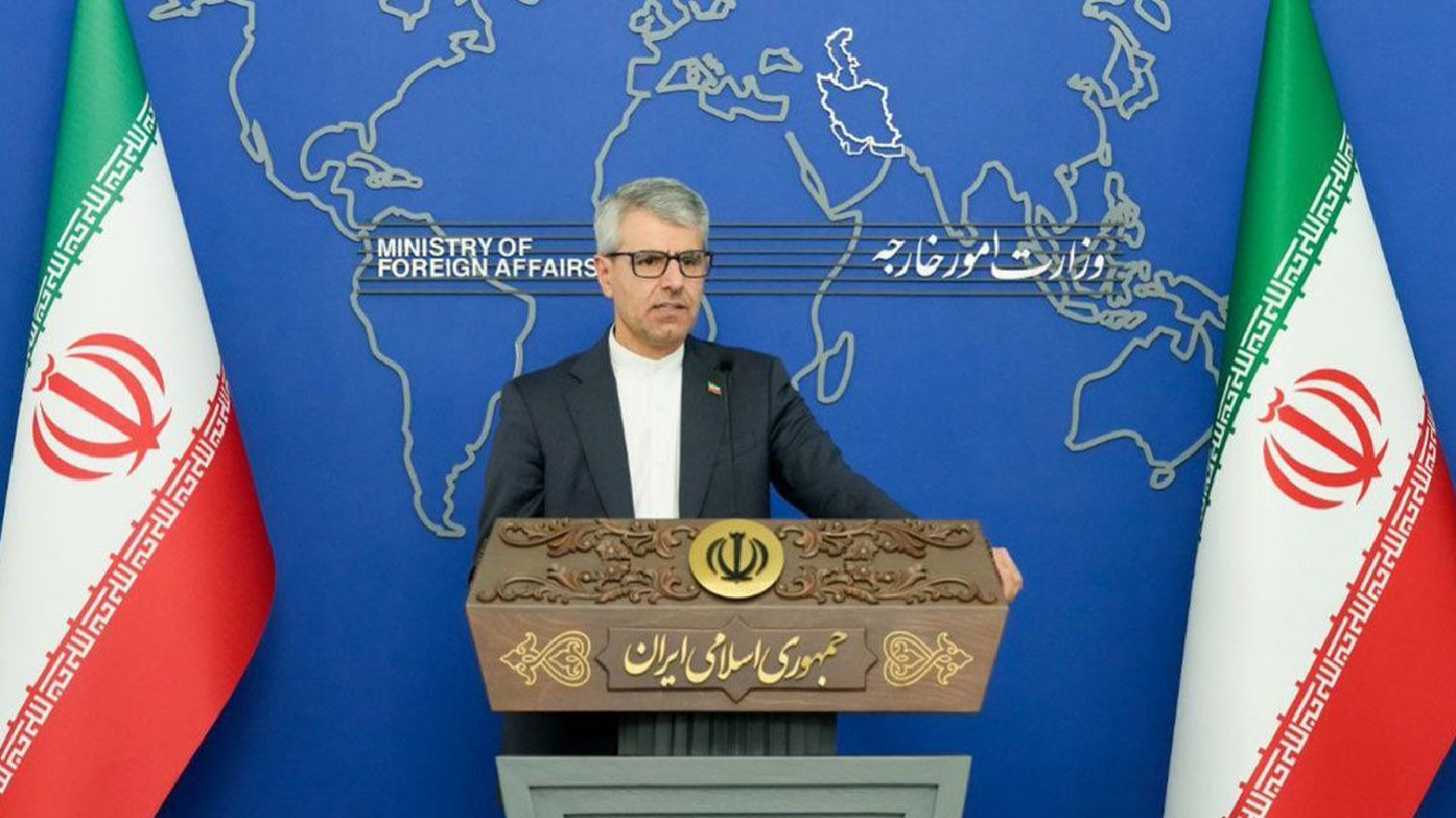
ERBIL (Kurdistan 24) - Iran has confirmed it will begin charging vessels to transit the Strait of Hormuz once a 60-day toll-free period stipulated under the newly signed memorandum of understanding with the United States expires, with senior officials in Tehran making clear that the strategic waterway will not revert to its prewar status.
Iranian Foreign Ministry spokesperson Esmail Baghaei reportedly said the matter of the strait would fall under the joint responsibility of Iran and Oman, the two countries bordering the narrow corridor through which roughly one-fifth of global oil and liquefied natural gas supplies normally pass.
"It Will Not Return to Prewar Conditions"
Mohammad Bagher Ghalibaf, Iran's chief negotiator in the talks with Washington, stated on Iranian state television that the Strait of Hormuz "will not return to prewar conditions." He went further, asserting Tehran's sovereign claim over the waterway. "Iran has the right to sovereignty over the Strait of Hormuz, and of course we will receive a fee for services," Ghalibaf said.
The statement formalizes at the highest negotiating level what Iranian officials had already signaled in recent days. Zanganeh, a member of Iran's parliamentary Planning and Budget Commission, told Fars News Agency on Sunday, June 7, 2026, that vessels were already being charged an average of between $1.5 million and $2 million per crossing under a 12-point management plan overseen by a body working with Iran's Ministry of Economy and the Supreme National Security Council. Iran's Foreign Ministry had also separately confirmed Tehran's intent to charge fees for services in the strait, reinforcing the toll system as a matter of formal state policy rather than a temporary wartime measure.
A 60-Day Grace Period Built Into the Peace Deal
The toll-free window now appears to be a specific term negotiated into the memorandum of understanding signed electronically between Washington and Tehran on Wednesday, June 11, 2026. The 60-day grace period suggests that the United States secured at least a temporary suspension of fees as part of the broader settlement, even as Iran reserved the right to reinstate charges once that window closes.
Trump Defends the Deal Despite Past Opposition to Tolls
The toll provision sits in direct tension with President Trump's previously stated position. Trump had said he would not accept tolls being imposed for crossing the strait, given its centrality to global energy markets. However, in defending the broader agreement with Tehran, Trump argued that without the deal, the strait would "never have been opened," and that the alternative was a "worldwide depression."
Trump's framing suggests that Washington ultimately accepted the toll arrangement, at least for a defined period, as the price of securing the reopening of the strait and avoiding the kind of sustained global economic disruption that the months-long closure had already begun to produce, reflected in the financial warnings issued by officials from Iraq to Israel throughout the conflict.
An Unresolved Tension at the Heart of the Peace
The combination of a signed memorandum to end the war and Iran's explicit declaration that it will charge for passage through one of the world's most vital shipping lanes leaves a significant structural tension unresolved. Whether the temporary 60-day suspension evolves into a permanent arrangement, a renegotiated framework, or a fresh point of friction between Washington and Tehran will likely shape how durable the broader peace proves to be once the grace period lapses.
| BRIEF: Iran confirmed it will charge ships to transit the Strait of Hormuz after a 60-day toll-free period under the US-Iran memorandum, with negotiator Mohammad Bagher Ghalibaf saying the waterway "will not return to prewar conditions." Trump defended the deal despite previously rejecting tolls on the route. |